Minimalist Dining Room: Timeless Ideas for a Stylish and Functional Space
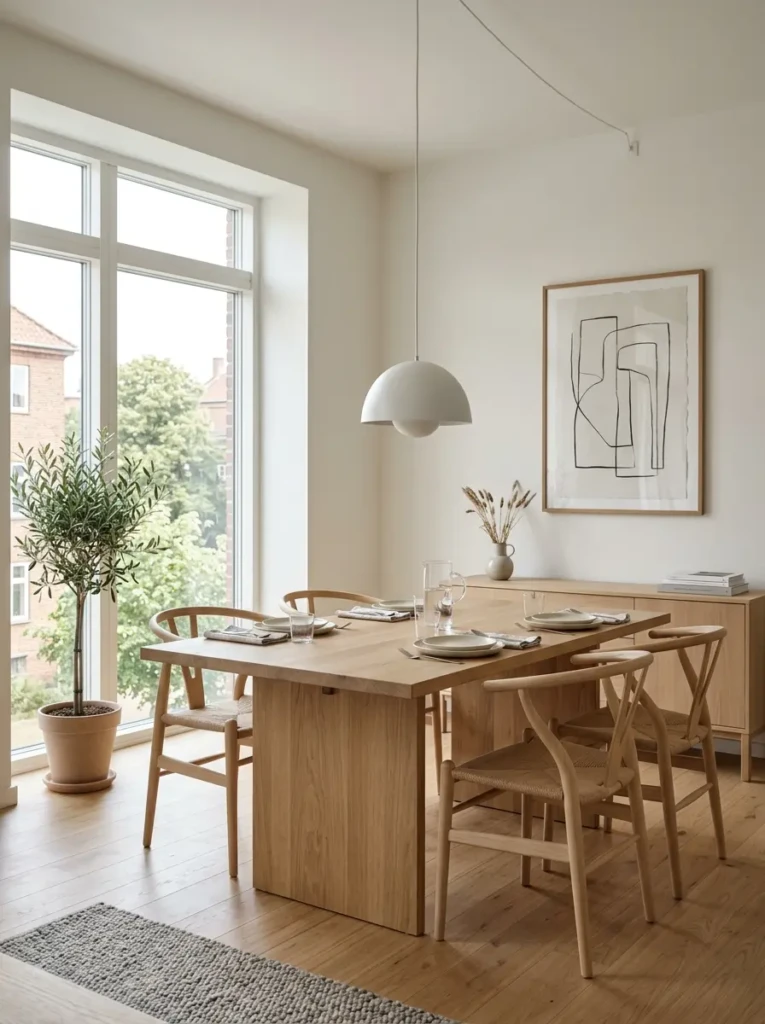
A minimalist dining room is more than a place to enjoy meals—it’s a thoughtfully designed space that encourages comfort, conversation, and simplicity. By focusing on clean lines, practical furniture, and carefully selected decor, minimalist dining rooms create a welcoming atmosphere without unnecessary distractions.
Unlike overly decorated interiors, minimalist design embraces quality over quantity. Every piece has a purpose, and every detail contributes to a balanced and uncluttered environment. Whether your dining area is part of an open-concept home or a dedicated room, minimalism offers a timeless approach that remains elegant for years.
What Defines a Minimalist Dining Room?
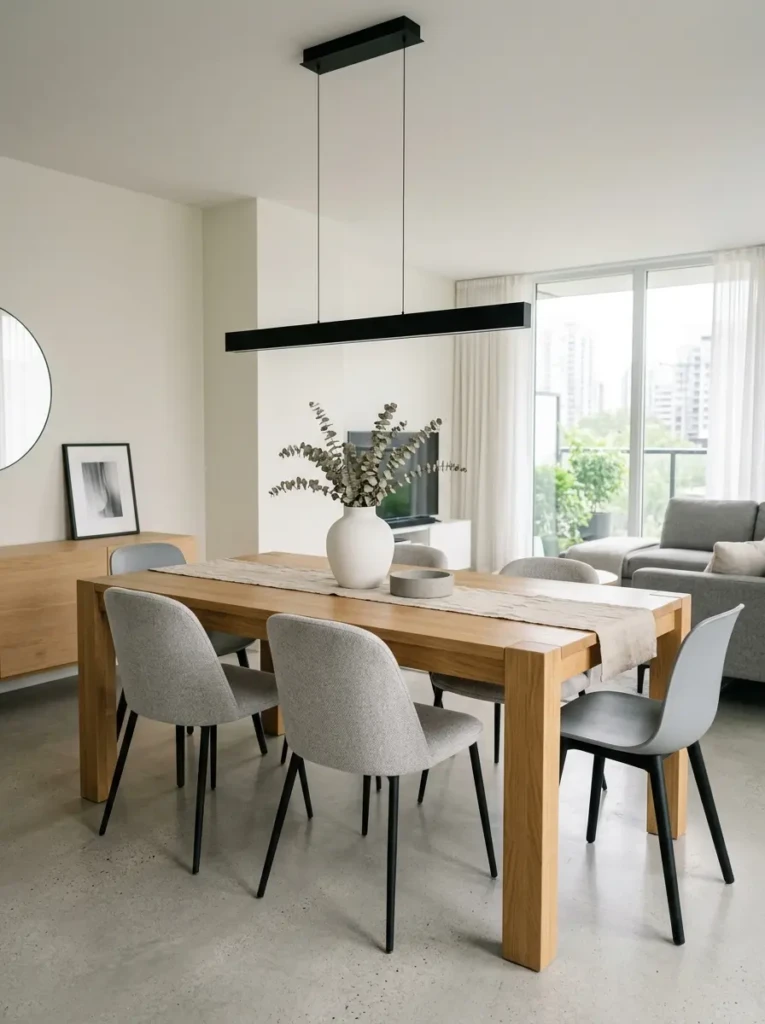
A minimalist dining room is characterized by simplicity, functionality, and visual harmony. Furniture features clean silhouettes, while decorative elements remain subtle and intentional.
Neutral color palettes, natural materials, and uncluttered surfaces form the foundation of this design style. Rather than filling the room with excessive decorations, homeowners focus on a few carefully chosen pieces that enhance both beauty and functionality.
The result is a dining space that feels calm, organized, and inviting.
Benefits of Minimalist Dining Spaces
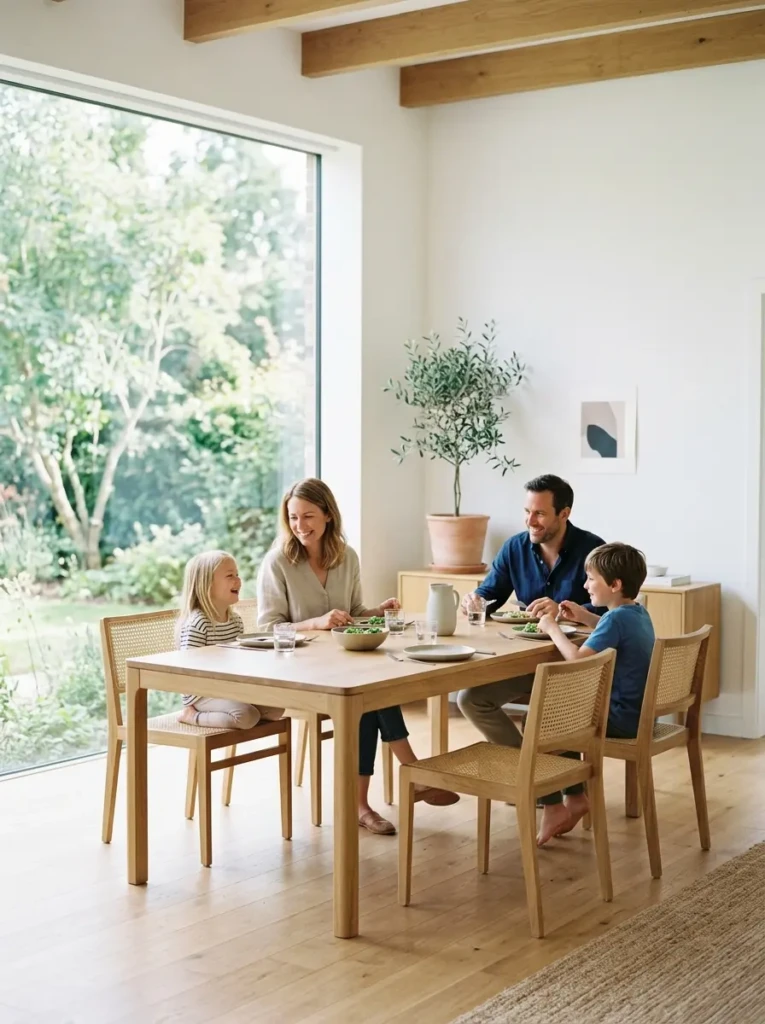
One of the greatest advantages of minimalist interiors is their ability to reduce visual clutter. A clean dining room creates a relaxing atmosphere that encourages family gatherings and meaningful conversations.
Minimalist dining rooms are also easier to clean and maintain. With fewer decorative objects and streamlined furniture, everyday upkeep becomes faster and more manageable.
Their timeless appearance also helps homeowners avoid frequent redesigns as trends change.
Choosing the Perfect Dining Table
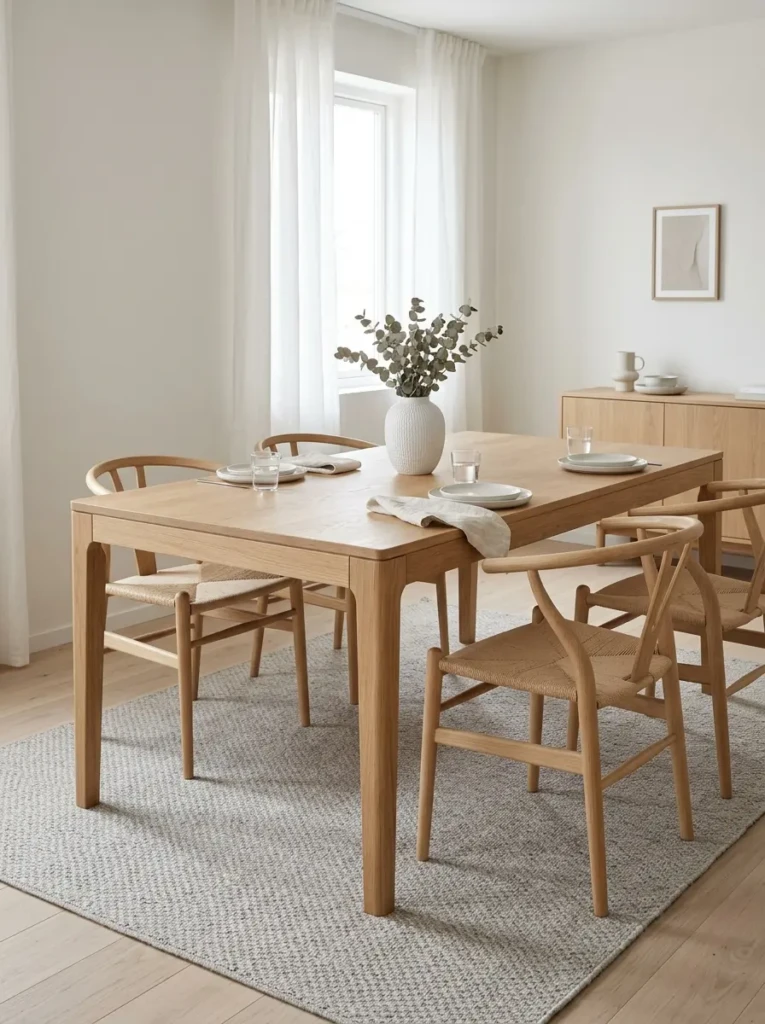
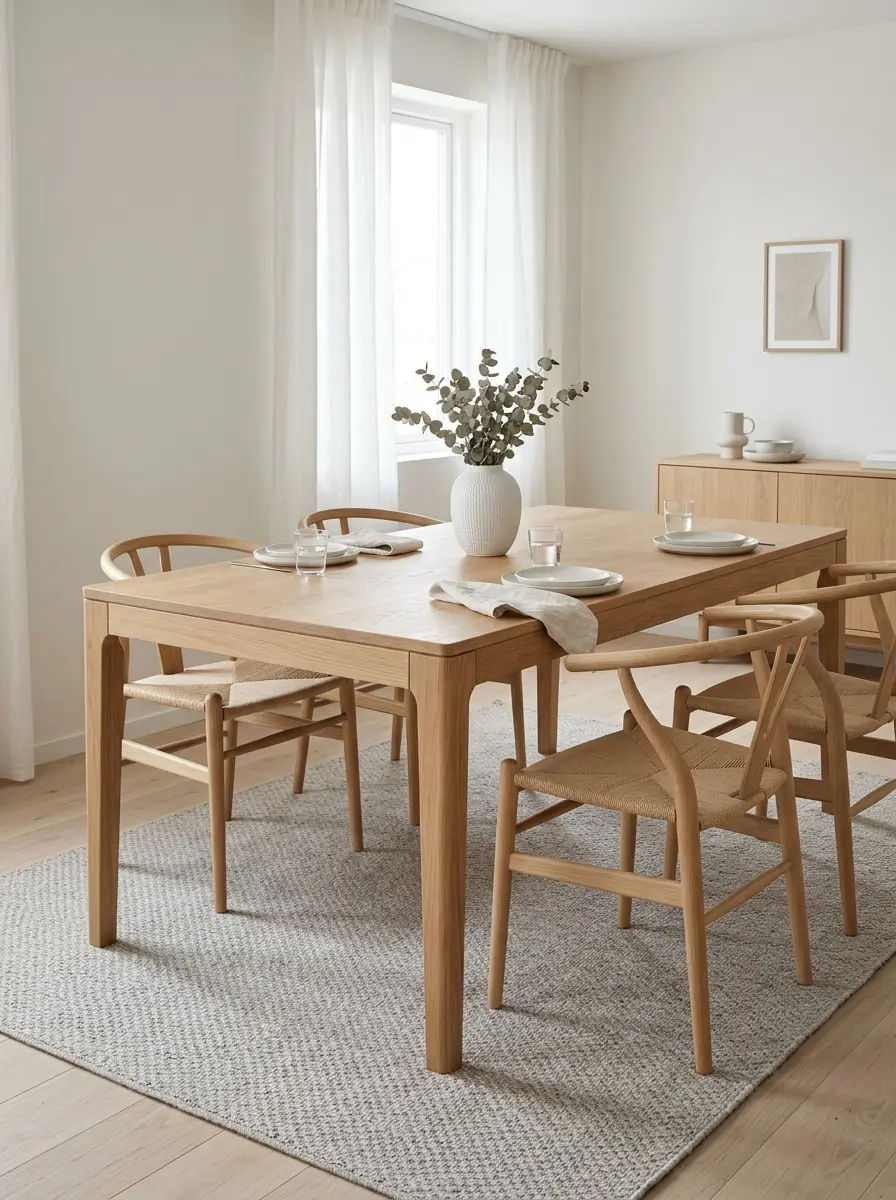
The dining table is the centerpiece of every minimalist dining room. Selecting the right size and material is essential for achieving both functionality and visual balance.
Wooden tables with natural finishes remain among the most popular choices because they introduce warmth without overwhelming the space. Glass and stone tables also complement minimalist interiors by providing clean, sophisticated surfaces.
Choose a table that comfortably fits the room while allowing easy movement around it.
Selecting Comfortable Dining Chairs
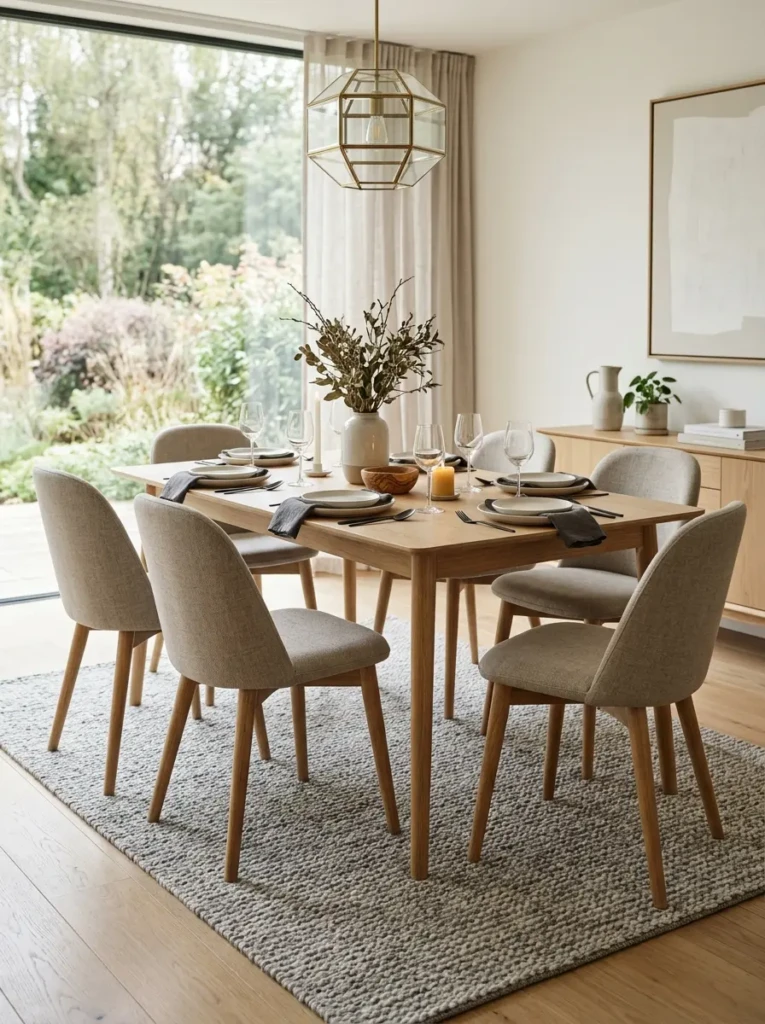
Minimalist dining chairs should prioritize comfort while maintaining simple, elegant designs. Chairs with clean lines, slim profiles, and neutral upholstery work exceptionally well.
Natural wood, molded plastic, and upholstered fabric chairs all suit minimalist interiors depending on your preferred aesthetic.
Consistency in chair style creates visual harmony and supports the overall minimalist theme.
Minimalist Dining Room Light Fixture Ideas
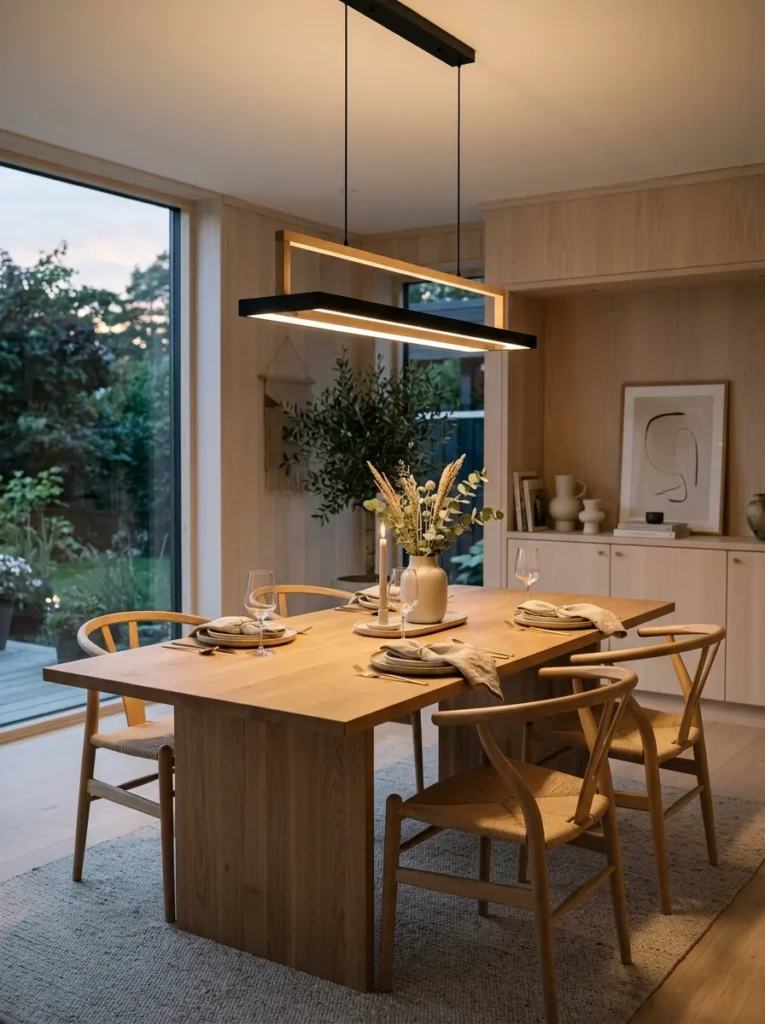
Lighting dramatically influences the atmosphere of a dining space. A carefully selected minimalist dining room light fixture serves as both a functional necessity and an elegant design feature.
Pendant lights with simple geometric shapes, matte finishes, or natural materials complement minimalist interiors beautifully. Linear lighting fixtures also work well above rectangular dining tables.
Warm lighting enhances comfort while creating an inviting ambiance for meals and gatherings.
Choosing the Right Color Palette
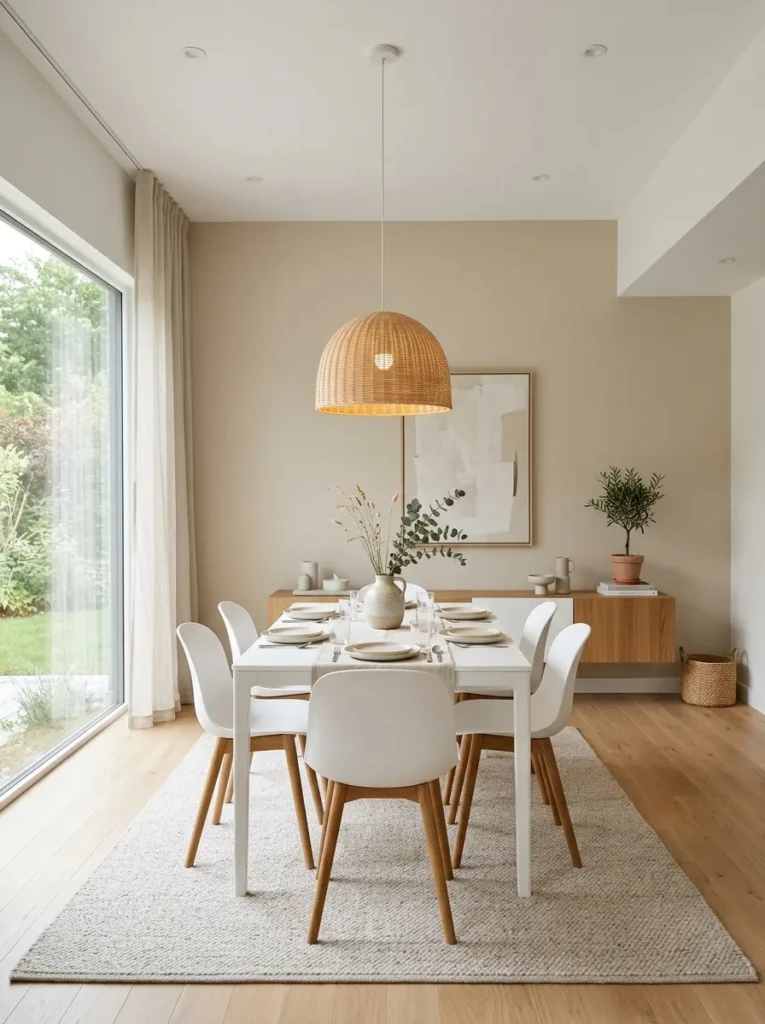
Neutral colors remain the foundation of minimalist dining room design. White, beige, soft gray, taupe, and warm wood tones create bright and calming environments.
These colors reflect natural light while allowing furniture and architectural features to become the primary visual elements.
Adding subtle black accents or muted earthy tones introduces contrast without disrupting the room’s simplicity.
Minimalist Dining Room Decor That Adds Character
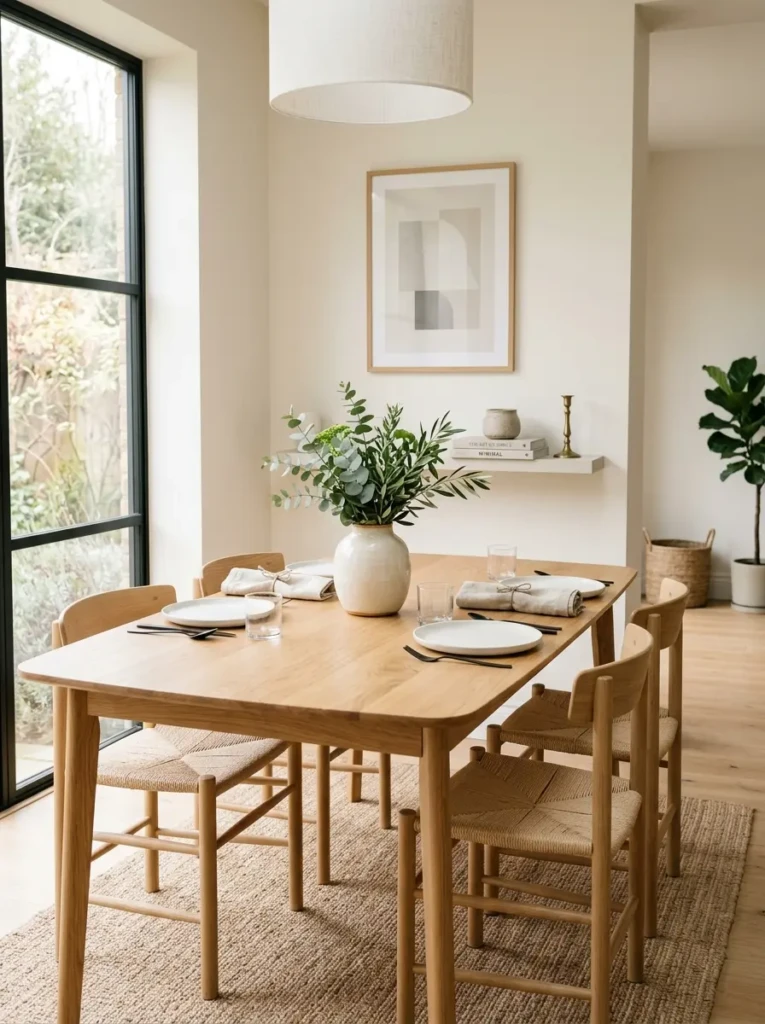
Thoughtfully selected minimalist dining room decor helps personalize the space without creating clutter.
A ceramic vase filled with fresh greenery, a handcrafted bowl, or a single piece of artwork can provide visual interest while maintaining restraint.
Avoid overcrowding shelves or tabletops with numerous accessories. Empty space plays an equally important role in minimalist design.
Using Natural Materials
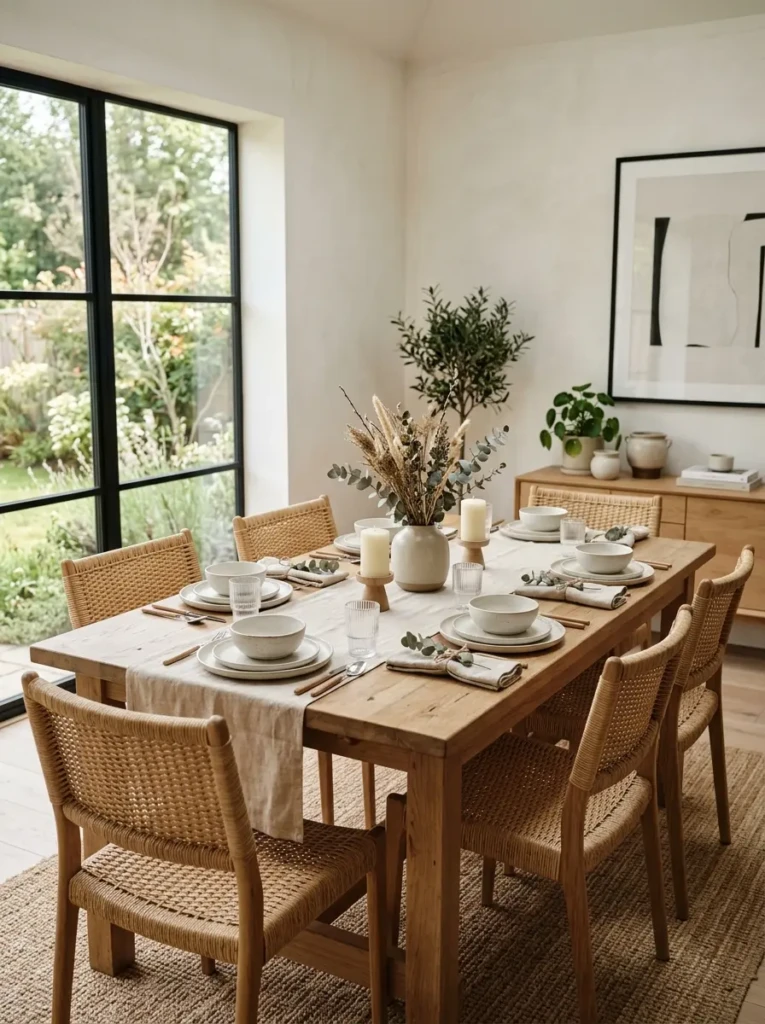
Natural materials introduce warmth and texture that prevent minimalist interiors from feeling cold. Wood, stone, linen, ceramic, and woven fibers create inviting spaces while preserving simplicity.
Wooden dining tables paired with linen table runners and ceramic dinnerware establish a timeless aesthetic suitable for everyday use.
These materials also age beautifully, making them excellent long-term investments.
Maximizing Natural Light
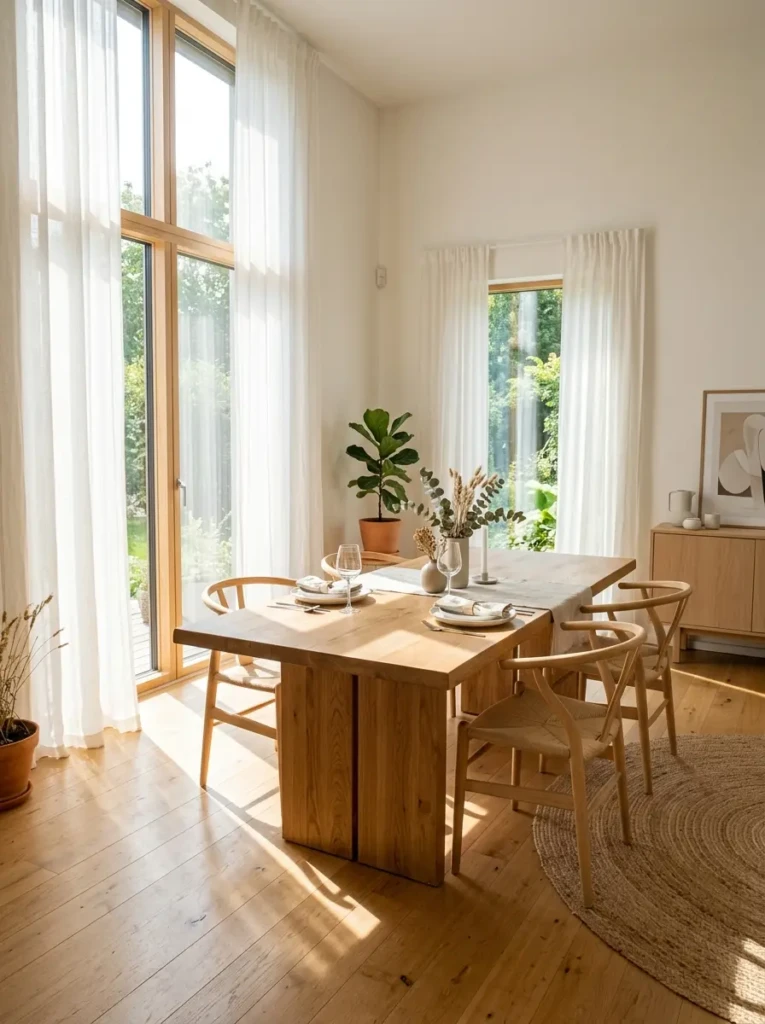
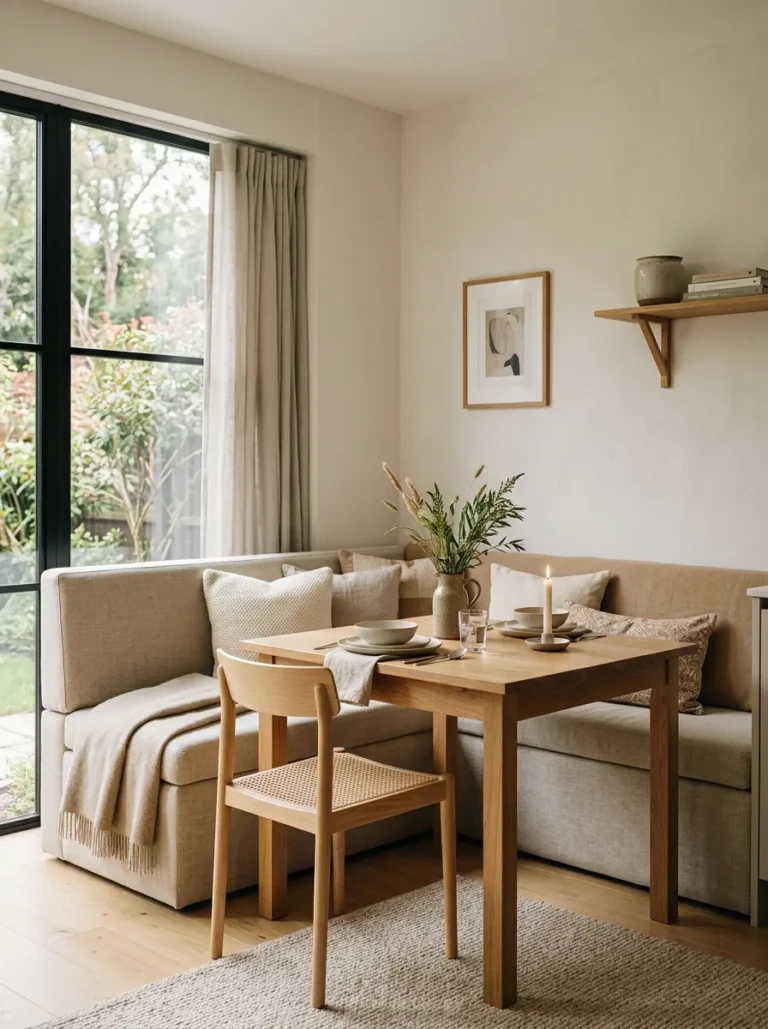
Natural light enhances every minimalist dining room by making it feel larger and more welcoming.
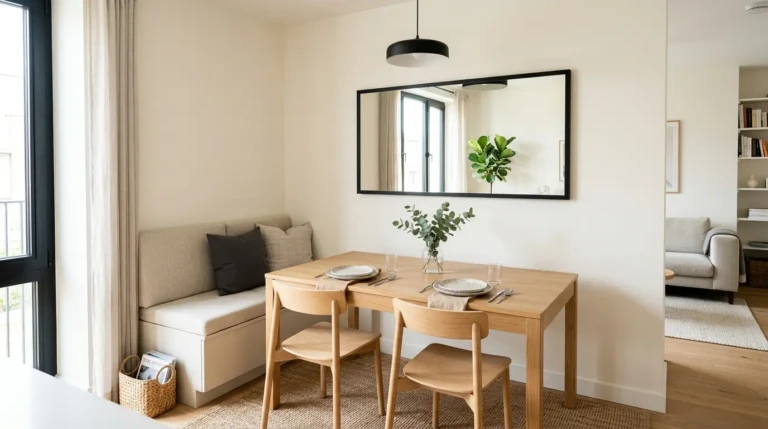
Large windows, sheer curtains, and strategically placed mirrors help distribute daylight throughout the room.
When privacy is needed, light-filtering window treatments maintain brightness while preserving a clean appearance.
Natural light also highlights textures and materials that define minimalist interiors.
Storage Solutions for a Clutter-Free Dining Room
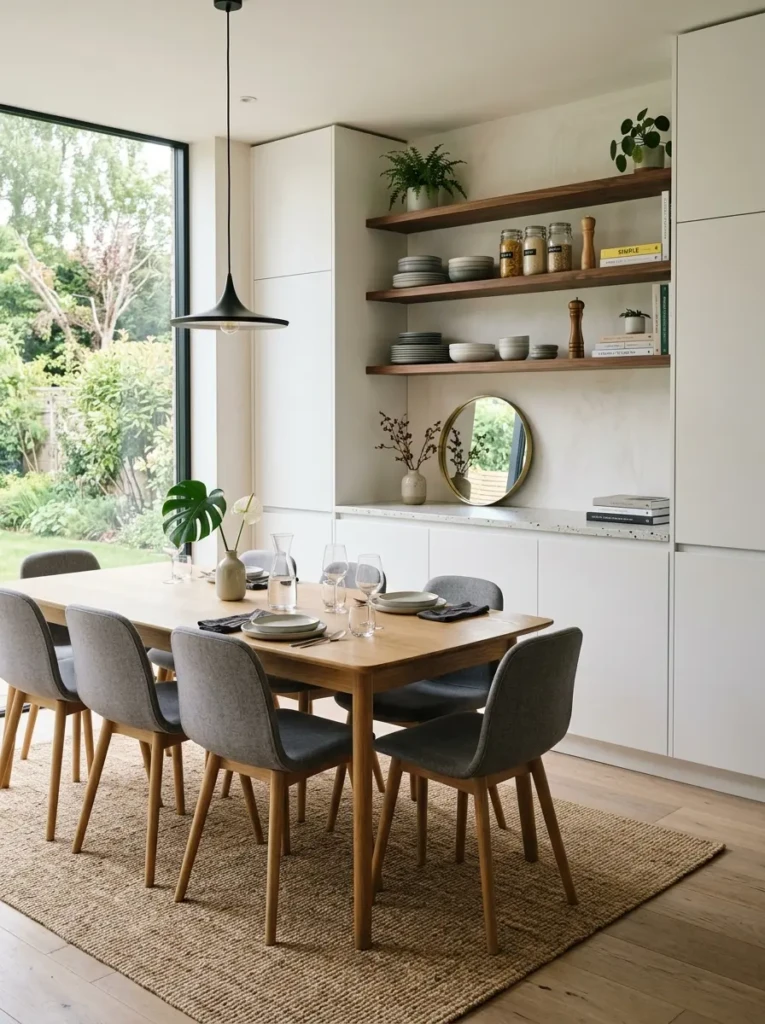
Effective storage helps maintain the organized appearance that minimalism requires.
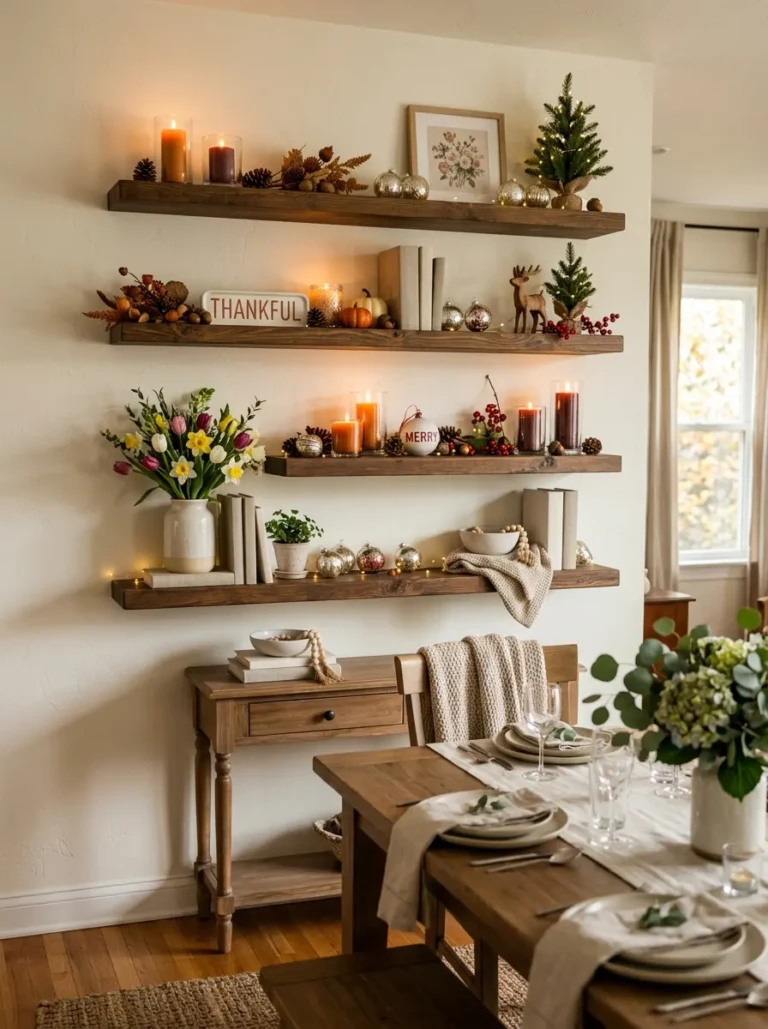
Sideboards, floating cabinets, and built-in shelving provide discreet storage for dinnerware, serving pieces, and seasonal accessories.
Choose furniture with simple designs and concealed storage whenever possible to keep surfaces clean and uncluttered.
An organized dining room always feels more spacious and inviting.
Minimalist Dining Room Ideas for Small Spaces
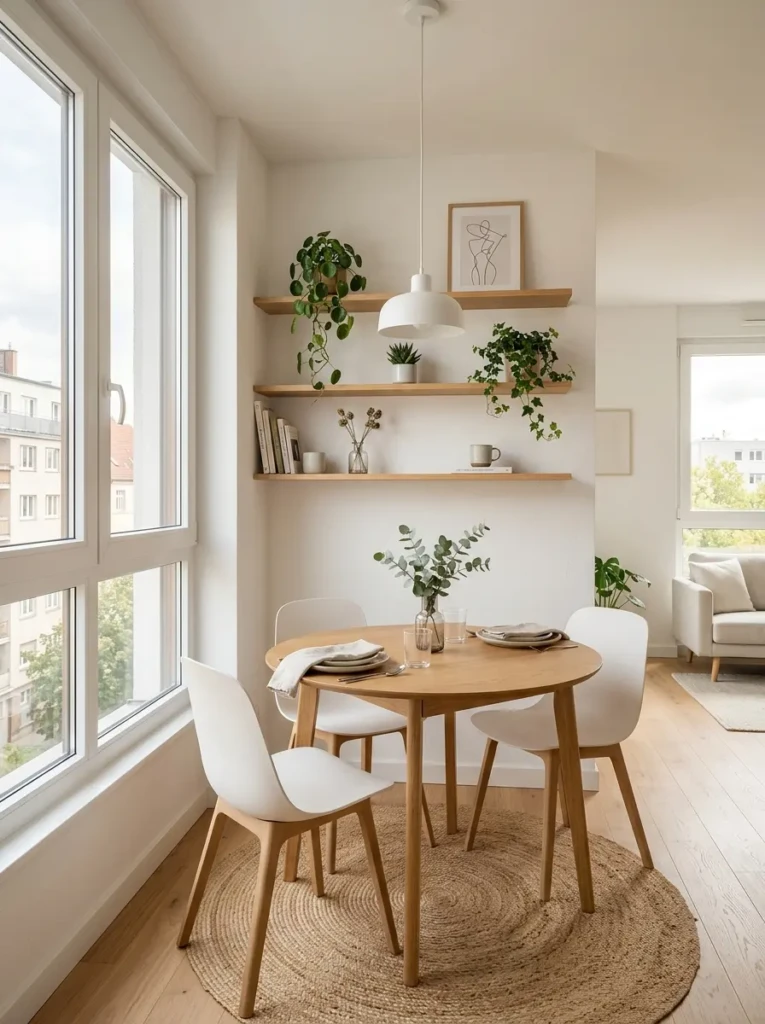
Compact homes and apartments benefit significantly from thoughtful minimalist dining room ideas.
Round tables often improve traffic flow in smaller rooms, while extendable dining tables provide flexibility for entertaining guests.
Wall-mounted shelving and multifunctional furniture maximize available space without sacrificing style.
Keeping decorations minimal also helps small dining rooms feel larger and more open.
Styling the Dining Table
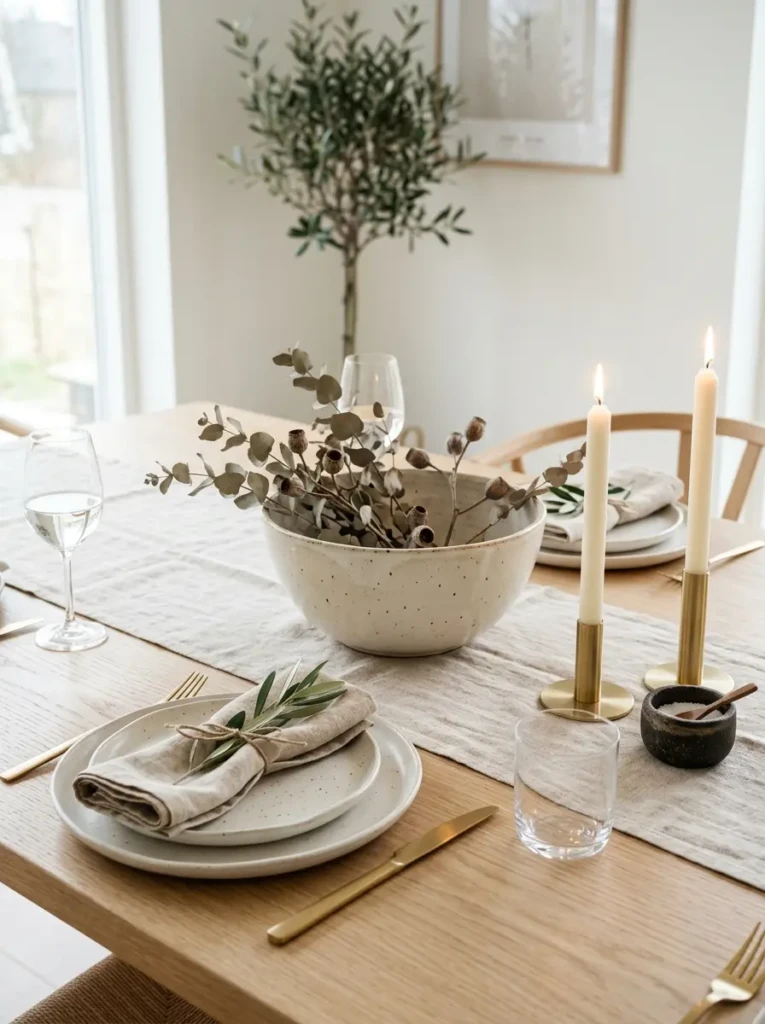
Minimalist table styling focuses on quality rather than abundance.
A single centerpiece, such as fresh flowers, a ceramic bowl, or elegant candles, often provides enough visual interest.
Neutral table linens, simple dinnerware, and understated glassware complete the setting while maintaining sophistication.
Leaving portions of the table empty reinforces the minimalist aesthetic.
Incorporating Greenery
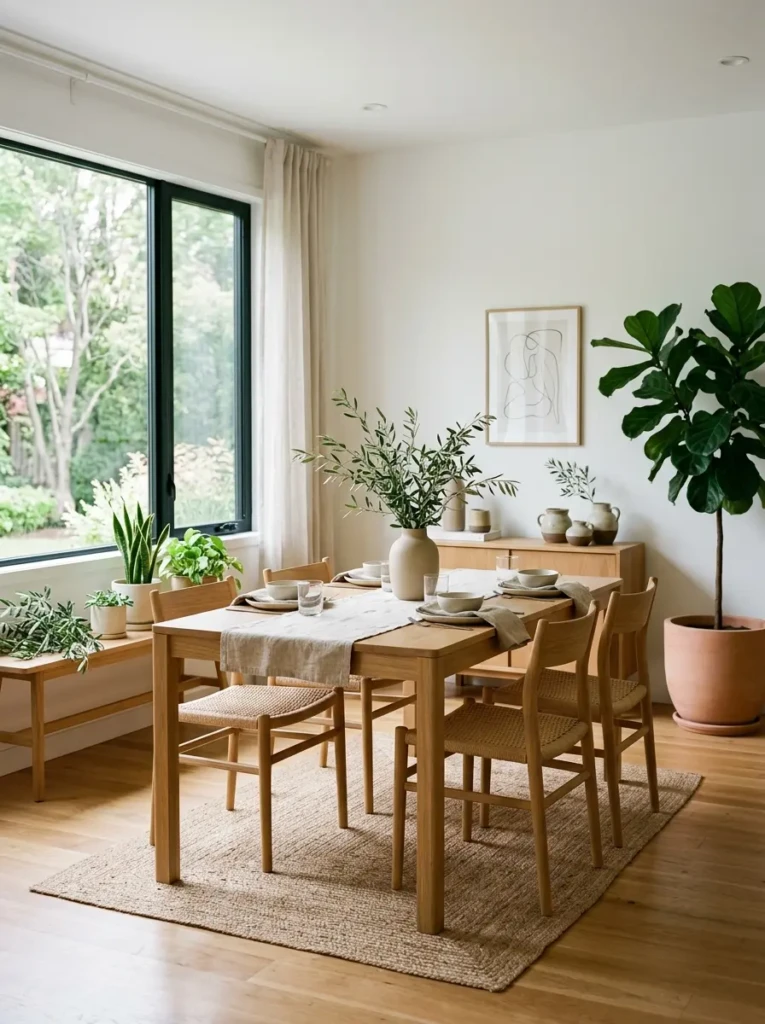
Indoor plants bring freshness and life into minimalist dining rooms.
Small potted plants, olive branches, eucalyptus, or simple floral arrangements introduce natural color without overwhelming the design.
Greenery also softens modern furniture while improving the room’s overall atmosphere.
Selecting one or two plants instead of numerous arrangements keeps the space balanced.
Common Design Mistakes to Avoid
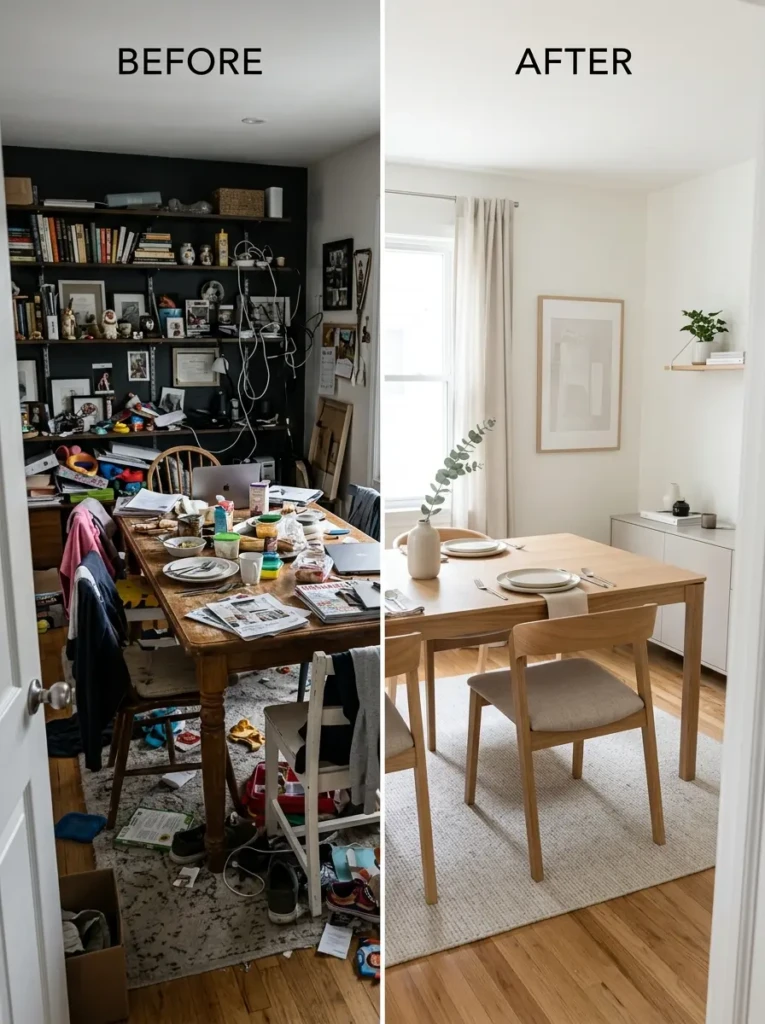
One common mistake is adding too many decorative accessories. Minimalist interiors depend on restraint rather than abundance.
Oversized furniture can also make dining rooms feel cramped, particularly in smaller homes.
Poor lighting, mismatched furniture, and inconsistent color palettes often disrupt the clean appearance that defines minimalist design.
Careful planning helps avoid these issues while maintaining visual harmony.
Creating a Functional Dining Experience
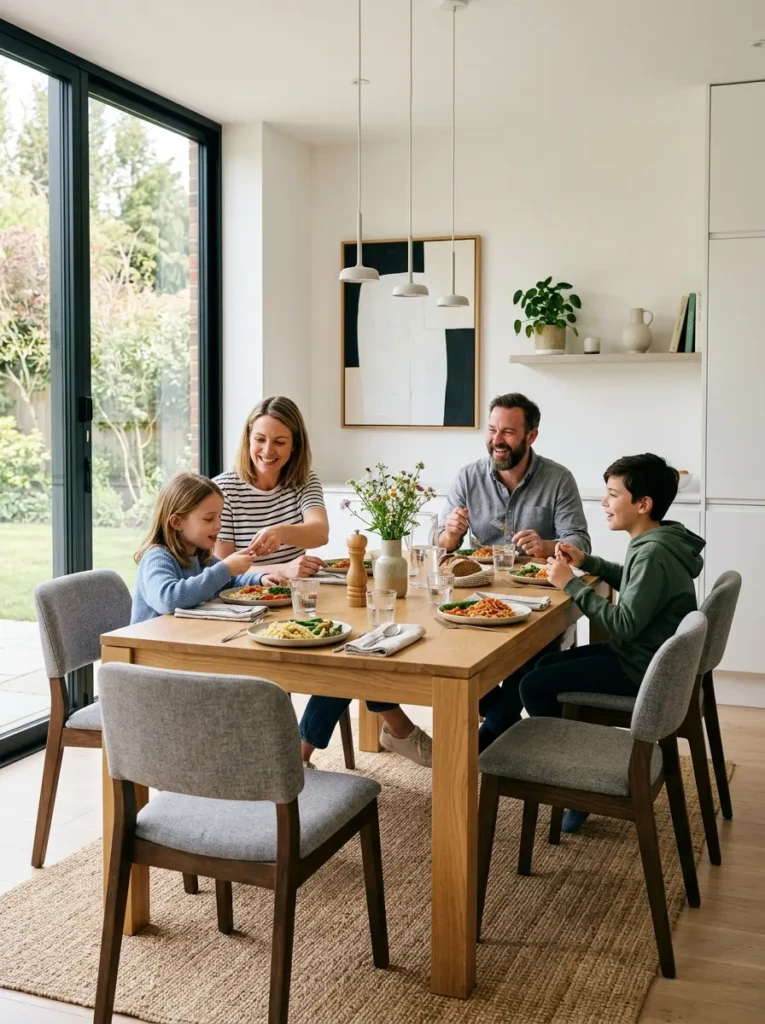
Functionality remains at the heart of minimalist design. Every furniture piece and decorative element should support everyday living.
Comfortable seating, sufficient lighting, organized storage, and practical table arrangements improve both daily meals and special occasions.
A functional dining room naturally becomes a favorite gathering place for family and friends.
Maintaining a Minimalist Dining Room
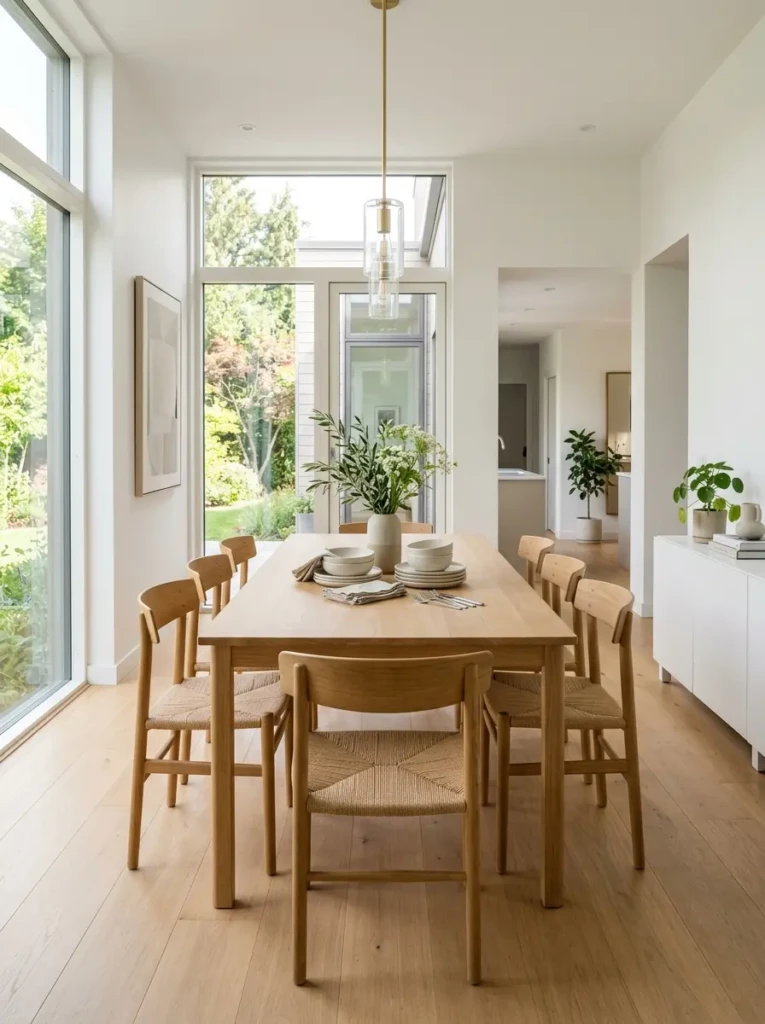
Minimalist interiors remain attractive through regular maintenance.
Clear the dining table after meals, return items to storage, and dust surfaces frequently to preserve the room’s clean appearance.
Avoid accumulating unnecessary decorations or seasonal accessories that contribute to visual clutter.
Simple daily habits keep the dining room looking fresh throughout the year.
Long-Term Benefits of Minimalist Design
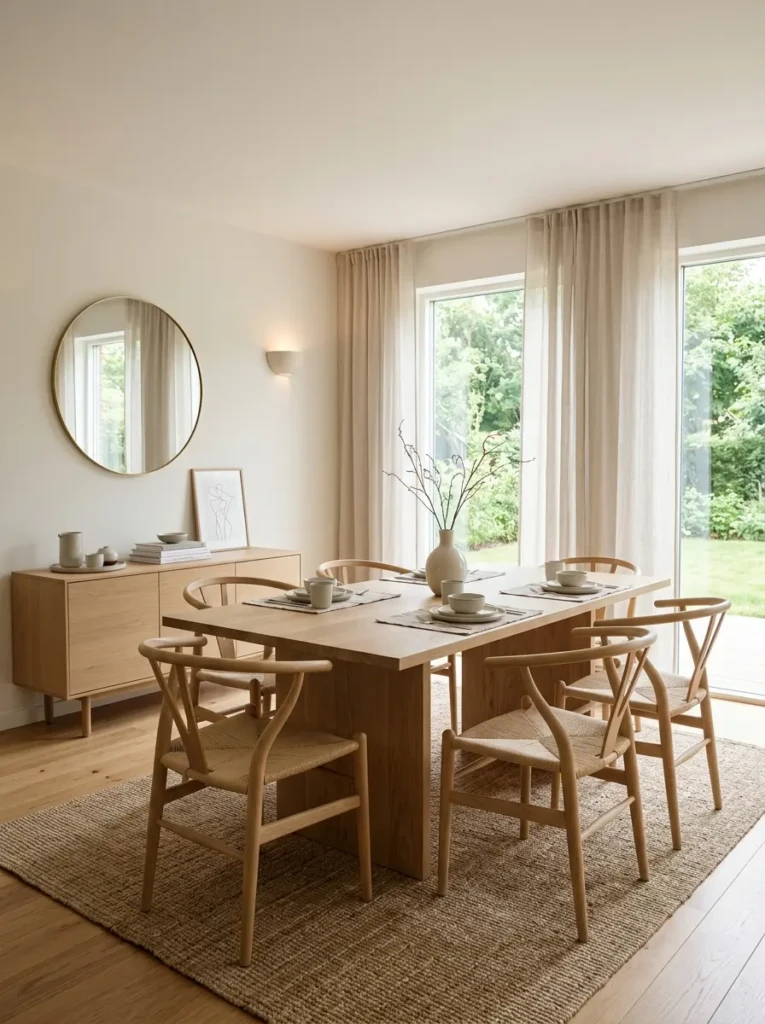
Minimalist dining rooms offer lasting advantages beyond aesthetics.
Their timeless appearance reduces the need for expensive redesigns, while quality furniture provides years of reliable use.
An uncluttered dining environment also encourages relaxation, meaningful conversation, and intentional living.
Many homeowners discover that minimalist spaces improve both organization and overall well-being.
Conclusion
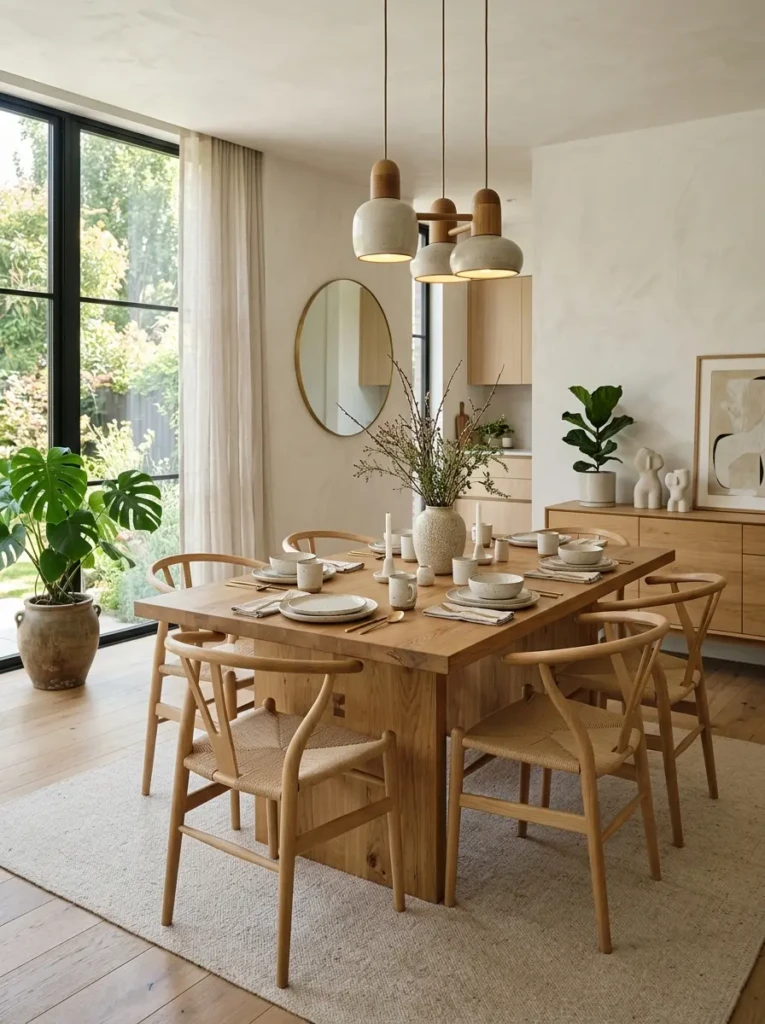
A minimalist dining room combines beauty, comfort, and functionality into one timeless design. Through carefully selected furniture, neutral color palettes, natural materials, and intentional decorating, you can create a dining area that feels both elegant and welcoming.
Whether you’re choosing the perfect minimalist dining room light fixture, selecting tasteful minimalist dining room decor, or exploring practical minimalist dining room ideas, simplicity remains the guiding principle.
By focusing on quality, organization, and thoughtful design, your dining room can become a peaceful gathering place that supports everyday living while maintaining effortless style for years to come.