Minimalist Room: Simple Design Ideas for a Calm and Stylish Space
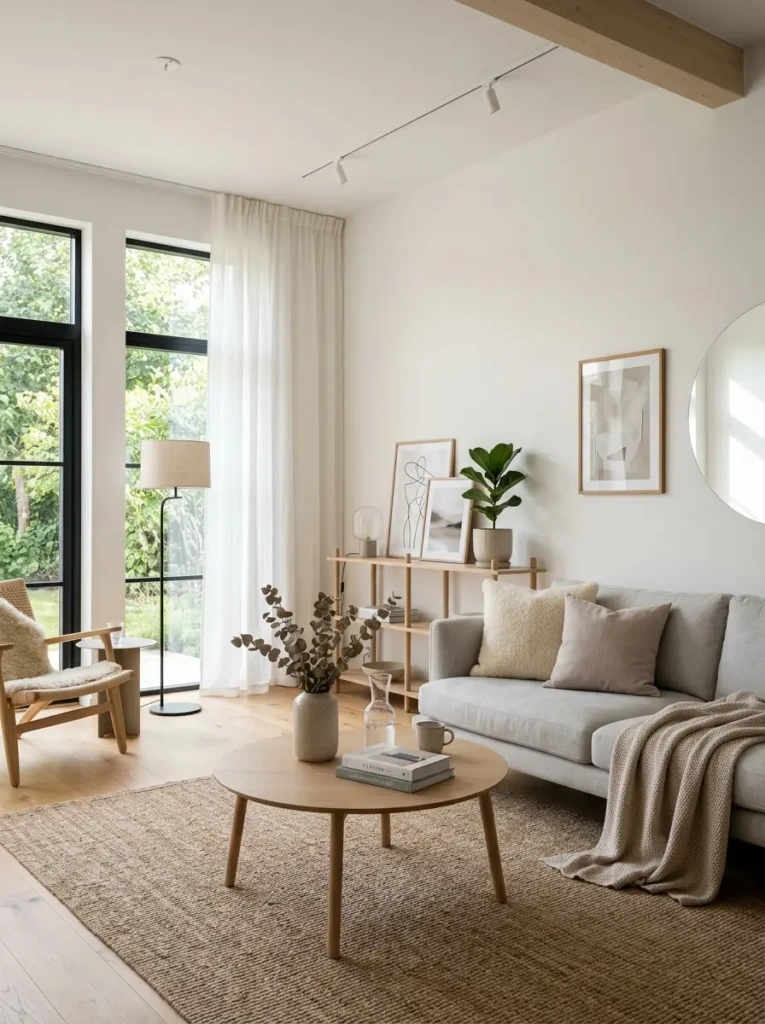
A minimalist room is more than a modern interior trend—it is a lifestyle choice that prioritizes simplicity, functionality, and comfort. Instead of filling a room with unnecessary furniture and decorations, minimalist design focuses on carefully selected pieces that serve a purpose while creating a peaceful atmosphere. Whether you are decorating a bedroom, living room, home office, or studio apartment, a minimalist approach helps maximize space while reducing visual clutter.
Minimalist interiors are timeless because they emphasize quality over quantity. Clean lines, neutral color palettes, practical storage, and natural light work together to create rooms that feel spacious, relaxing, and inviting. By embracing simplicity, you can design a room that supports both productivity and well-being.
What Defines a Minimalist Room?
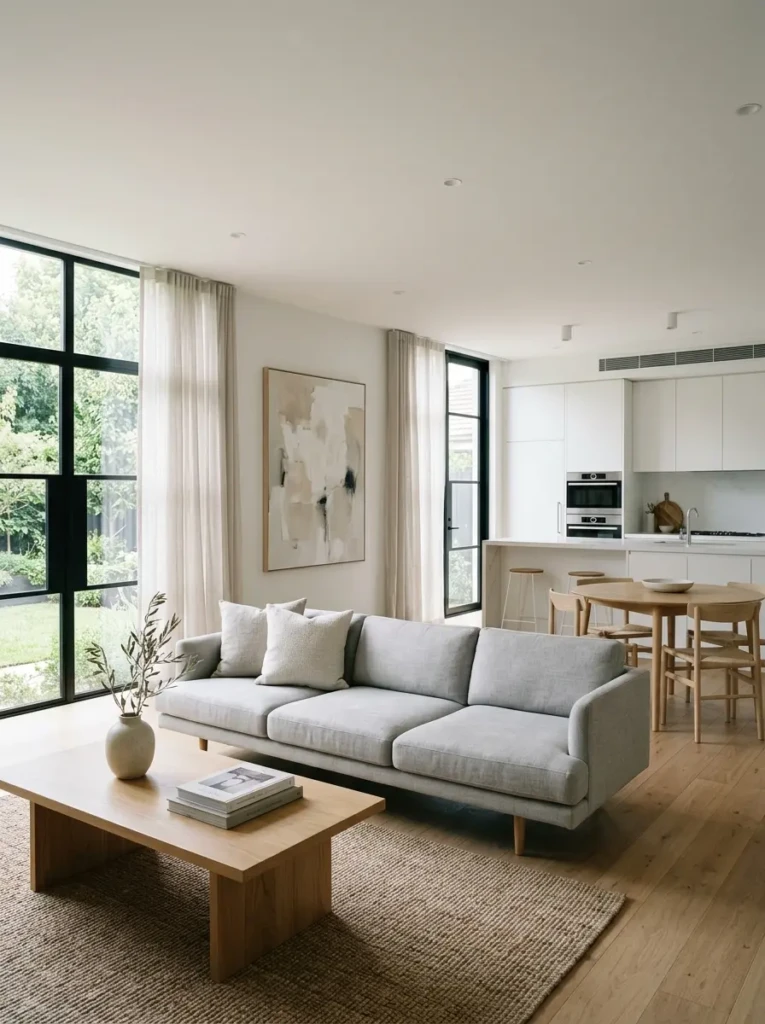
A minimalist room is built around the principle of “less is more.” Every item within the room should have a clear purpose, whether it serves a functional need or adds subtle visual appeal.
Minimalist spaces typically feature uncluttered surfaces, streamlined furniture, and a restrained color palette. Decorative accessories are carefully selected rather than displayed in large numbers. Empty space is treated as an important design element because it allows the room to feel open and balanced.
The result is an environment that feels organized, peaceful, and effortlessly elegant.
Benefits of Living with Minimalism
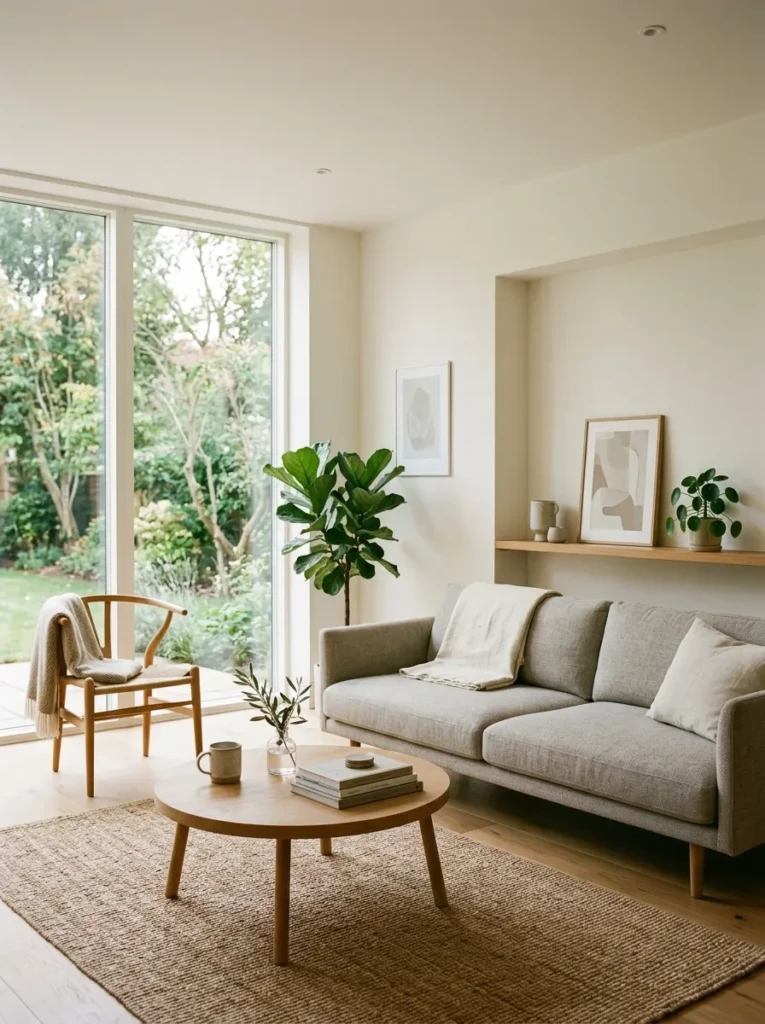
Minimalist rooms offer both practical and emotional benefits. A clutter-free environment reduces stress and creates a calming atmosphere that encourages relaxation and focus.
Cleaning also becomes much easier because there are fewer items to dust, organize, and maintain. Homeowners often discover they spend less time managing possessions and more time enjoying their living spaces.
Financially, minimalist living encourages thoughtful purchasing decisions. Instead of buying numerous decorative items, you invest in durable furniture and timeless pieces that maintain their value over time.
Choosing the Right Color Palette
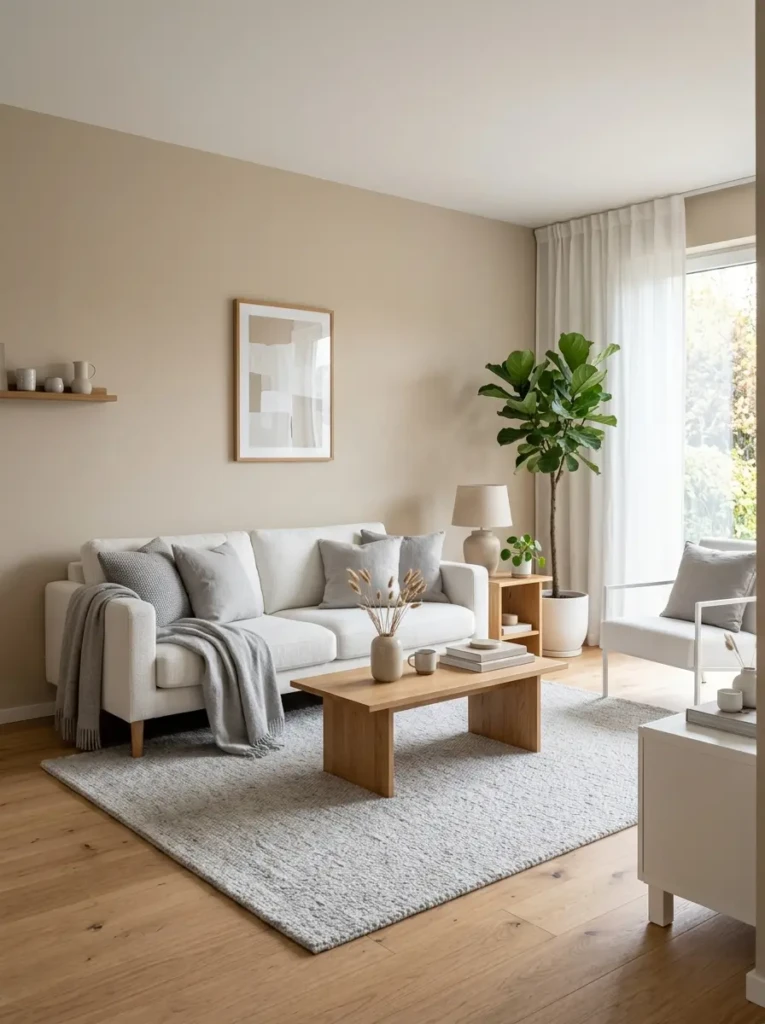
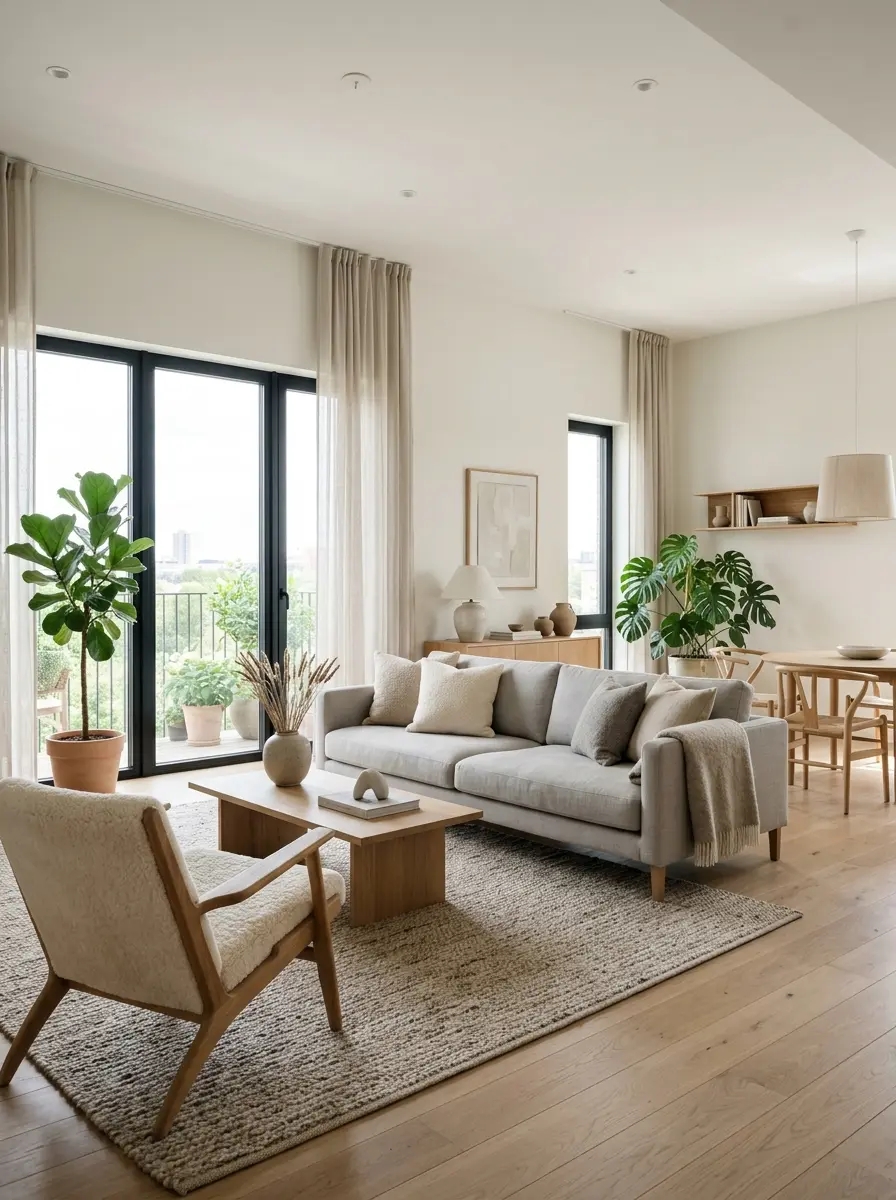
Color plays a significant role in minimalist design. Soft neutrals such as white, beige, cream, gray, and warm taupe create bright, calming interiors that reflect natural light beautifully.
Adding subtle contrast through black accents or natural wood finishes prevents the room from feeling flat while preserving simplicity.
A consistent color palette helps unify furniture, flooring, and decorative accessories into one harmonious design.
Modern Minimalist Room Inspiration
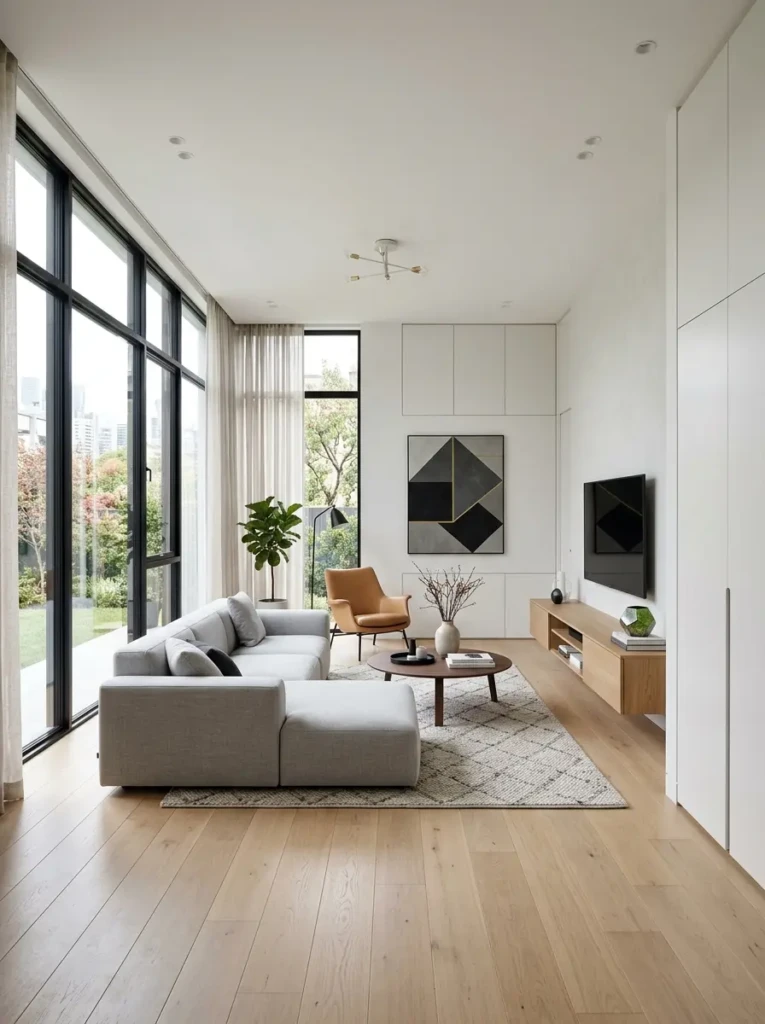
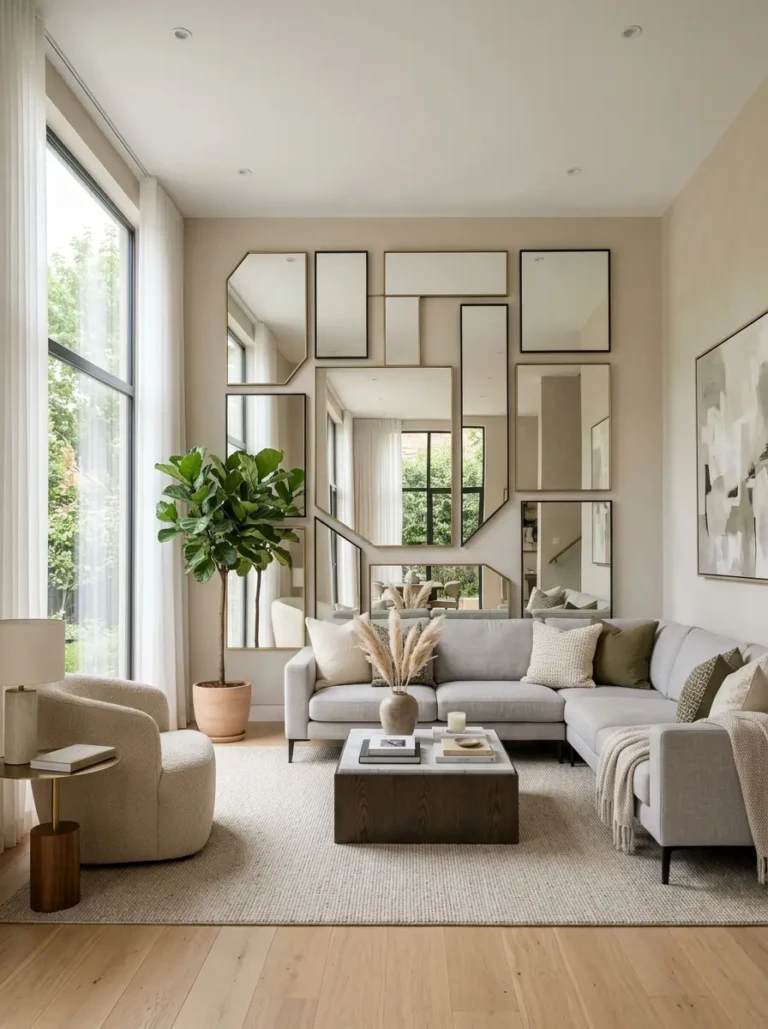
A modern minimalist room combines contemporary furniture with clean architectural lines and practical layouts. Modern minimalism often includes low-profile furniture, hidden storage, and simple geometric shapes.
Materials such as wood, glass, matte metal, and textured fabrics create visual interest without overwhelming the space. Large windows and natural lighting further enhance the room’s openness.
Technology also integrates seamlessly into modern minimalist interiors through concealed cables and streamlined electronics.
Creating a Korean Minimalist Room
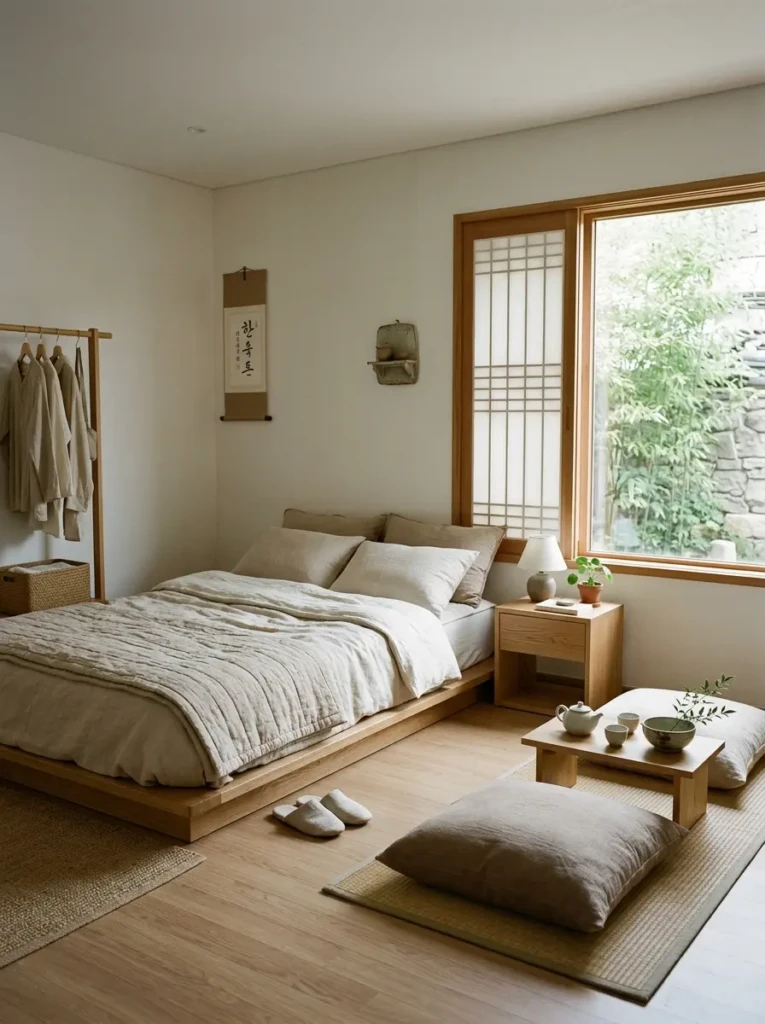
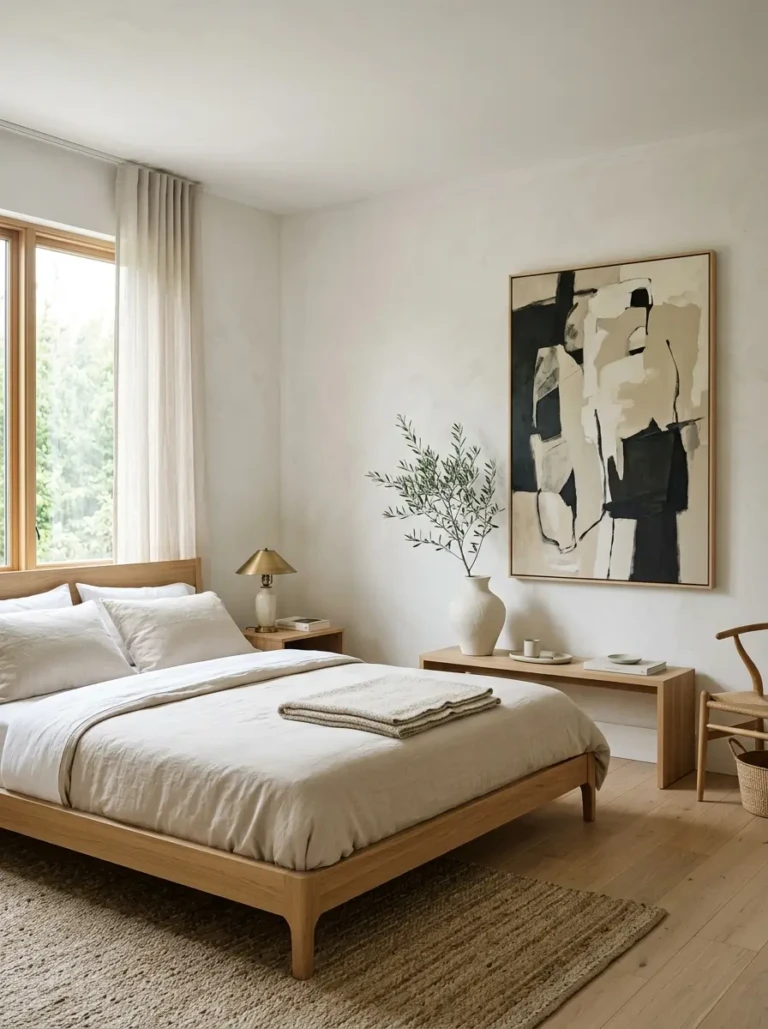
The korean minimalist room style has become increasingly popular because it blends warmth with simplicity. Inspired by modern Korean interiors, this aesthetic emphasizes soft neutral colors, low furniture, natural wood, and cozy textiles.
Floor seating, simple bedding, linen curtains, and subtle decorative elements create a peaceful atmosphere. Small indoor plants and handcrafted ceramics add personality without disrupting the clean aesthetic.
This design style promotes comfort while maintaining a highly organized environment.
Designing a Black Minimalist Room
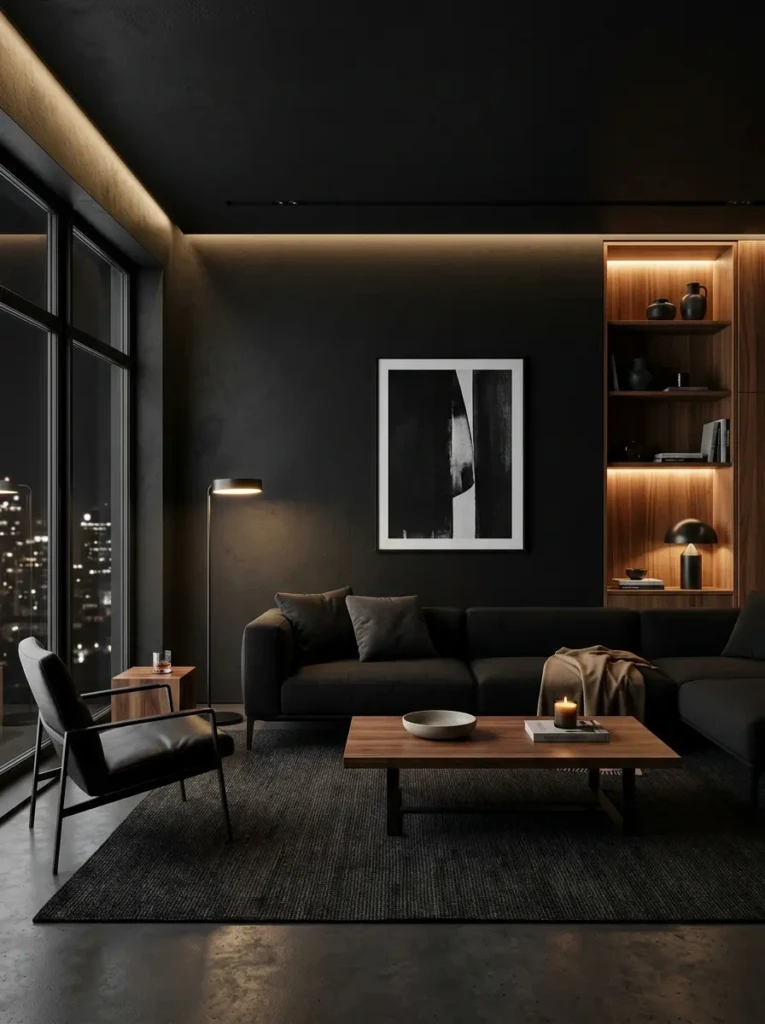
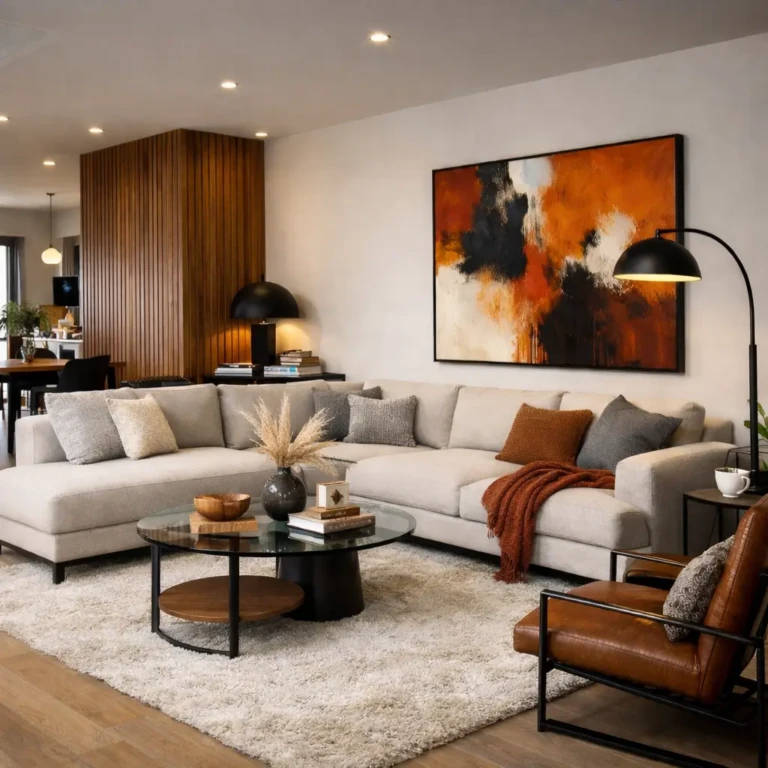
A black minimalist room creates bold sophistication while maintaining clean design principles. Black walls, furniture, or accent pieces introduce dramatic contrast that feels elegant rather than overwhelming.
To prevent the room from appearing too dark, combine black with warm wood, white textiles, soft lighting, and reflective surfaces.
Strategic lighting enhances depth while preserving the room’s cozy atmosphere.
Decorating a Pink Minimalist Room
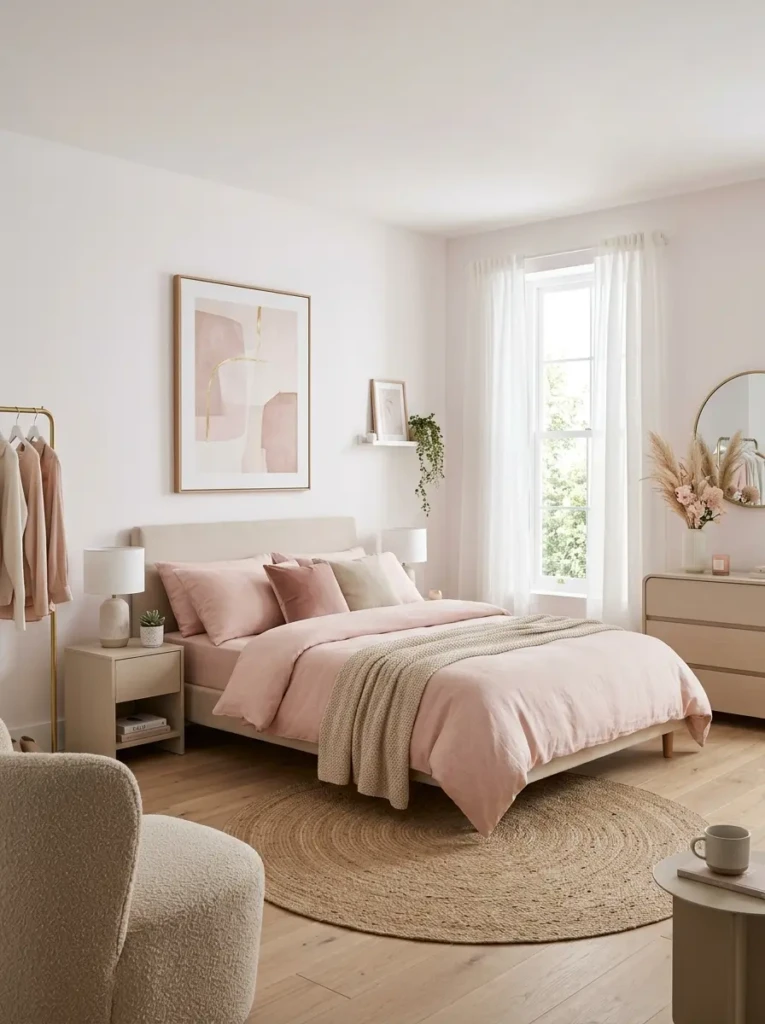
A pink minimalist room offers a softer interpretation of minimalist design. Instead of bright or overly saturated shades, choose muted blush, dusty rose, or pale pink tones.
Pair pink accents with white walls, beige furniture, or natural wood finishes to maintain balance. Decorative pillows, artwork, or bedding provide subtle color without dominating the room.
This approach creates an inviting space that feels elegant rather than overly feminine.
Selecting Functional Furniture
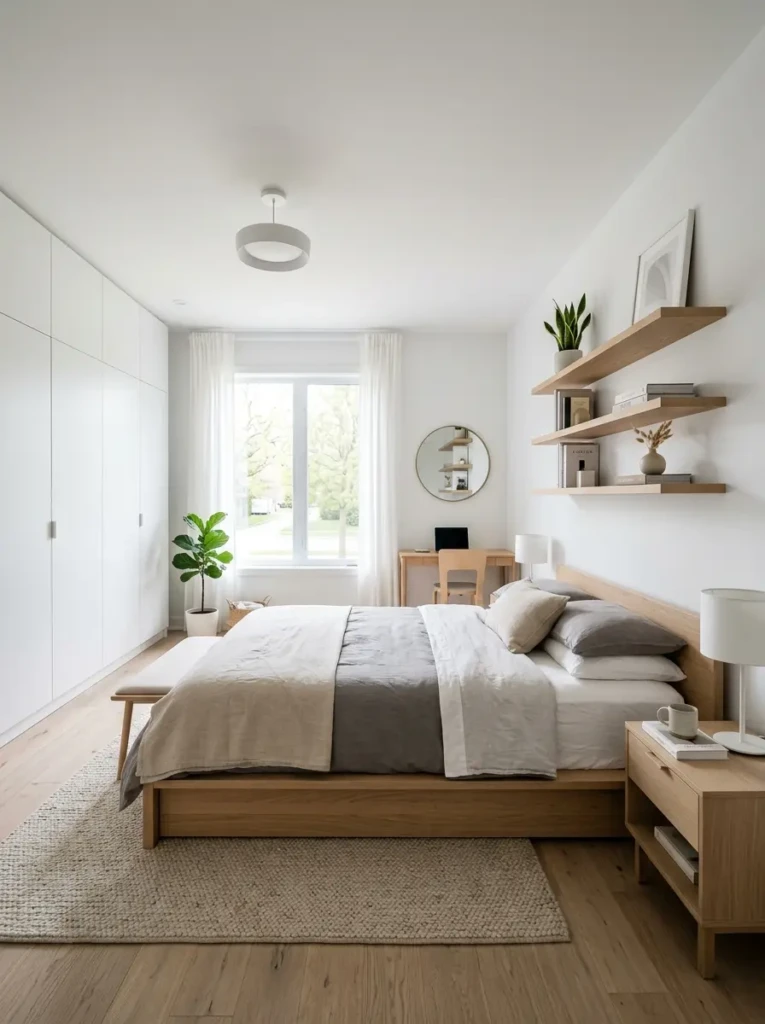
Furniture serves as the foundation of every minimalist room. Choose pieces that combine practicality with timeless design.
Low-profile beds, sleek sofas, floating shelves, and multifunctional storage units maximize space while maintaining visual simplicity.
Avoid oversized furniture that crowds the room. Proper proportions ensure comfortable movement and preserve the open feeling that defines minimalist interiors.
Maximizing Natural Light
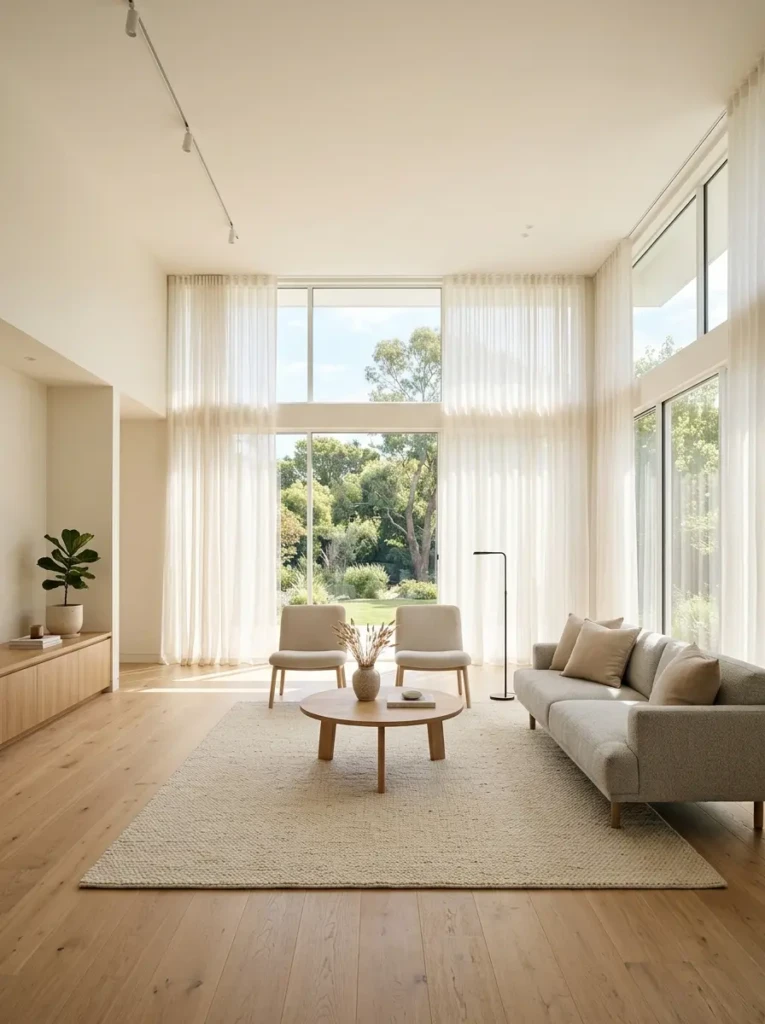
Natural light transforms minimalist spaces by making them feel larger and more welcoming. Large windows, sheer curtains, and reflective surfaces help distribute daylight throughout the room.
Position furniture to avoid blocking sunlight whenever possible.
During the evening, layered lighting using floor lamps, wall sconces, and table lamps creates warmth while maintaining the room’s calming atmosphere.
Smart Storage Solutions
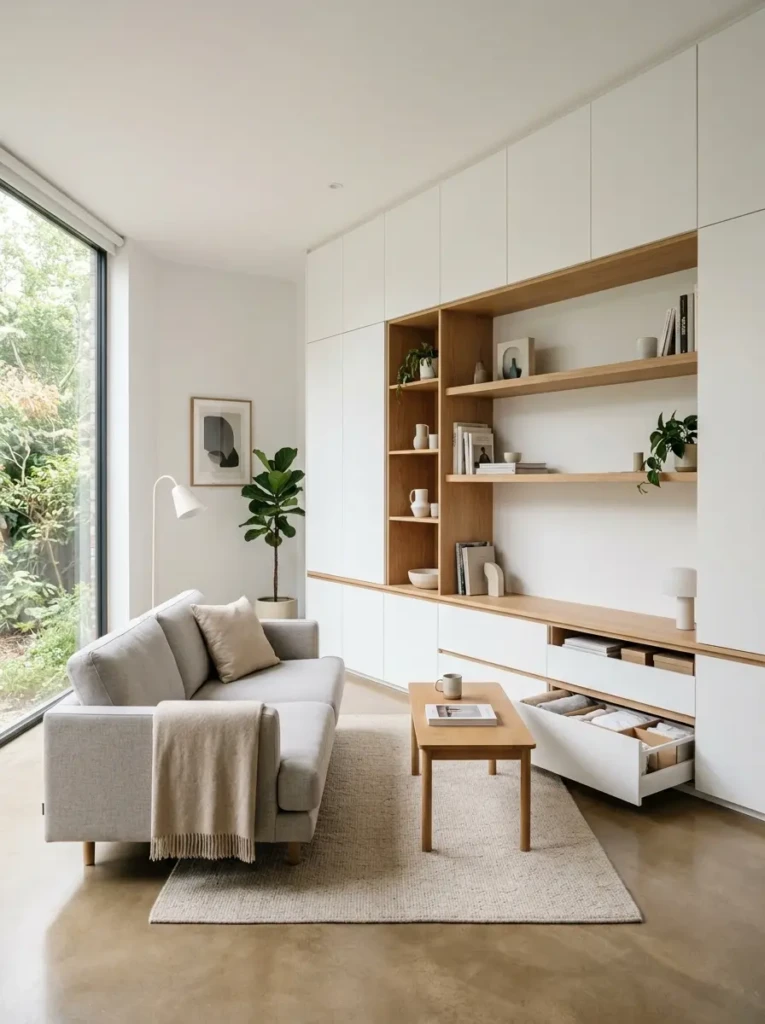
Effective storage keeps minimalist rooms organized and clutter-free. Built-in cabinets, floating shelves, storage beds, and concealed drawers help hide everyday belongings while preserving clean surfaces.
Use baskets, organizers, and drawer dividers to separate smaller items and maintain order.
Having a designated place for every object prevents clutter from accumulating over time.
Minimalist Room Ideas for Small Spaces
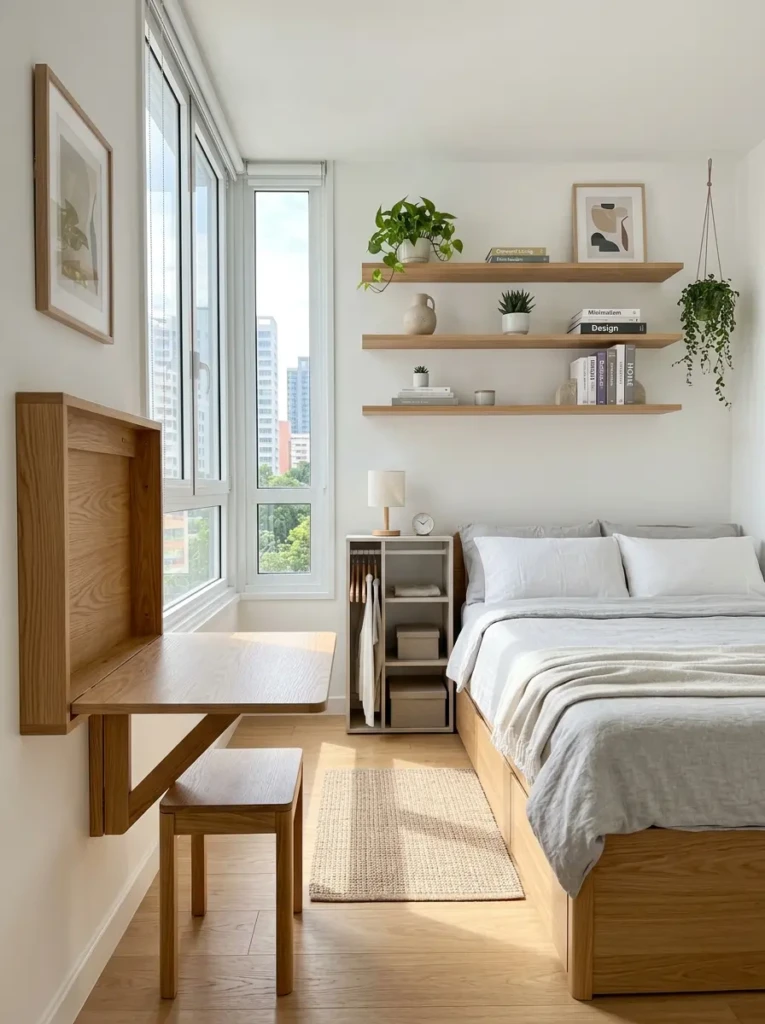
Many minimalist room ideas focus on maximizing compact living spaces. Small apartments and bedrooms benefit greatly from multifunctional furniture and efficient layouts.
Foldable desks, wall-mounted shelves, storage ottomans, and beds with built-in drawers provide additional functionality without occupying unnecessary floor space.
Keeping decorations minimal also helps smaller rooms appear larger and brighter.
Decorating with Texture Instead of Clutter
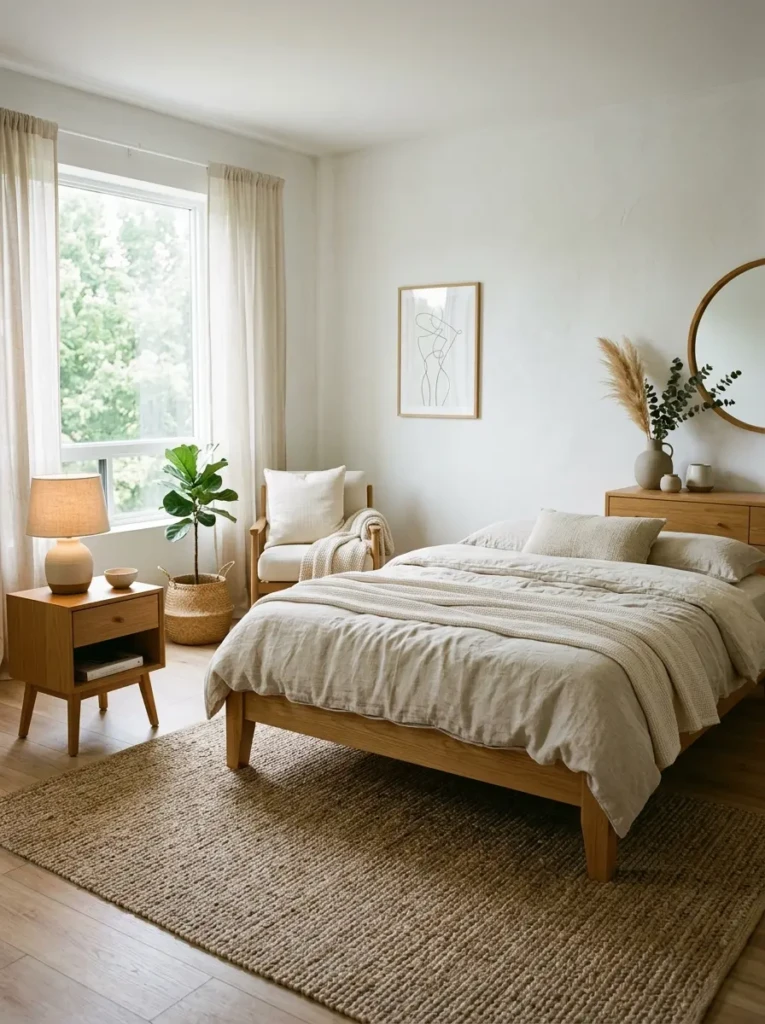
Minimalist interiors rely on texture rather than excessive decoration to create warmth.
Linen bedding, woven rugs, wool throws, wooden furniture, and ceramic accessories introduce visual interest while maintaining simplicity.
Layering textures in neutral colors creates depth without overwhelming the room.
Natural materials also contribute to a timeless and inviting atmosphere.
Adding Personal Touches
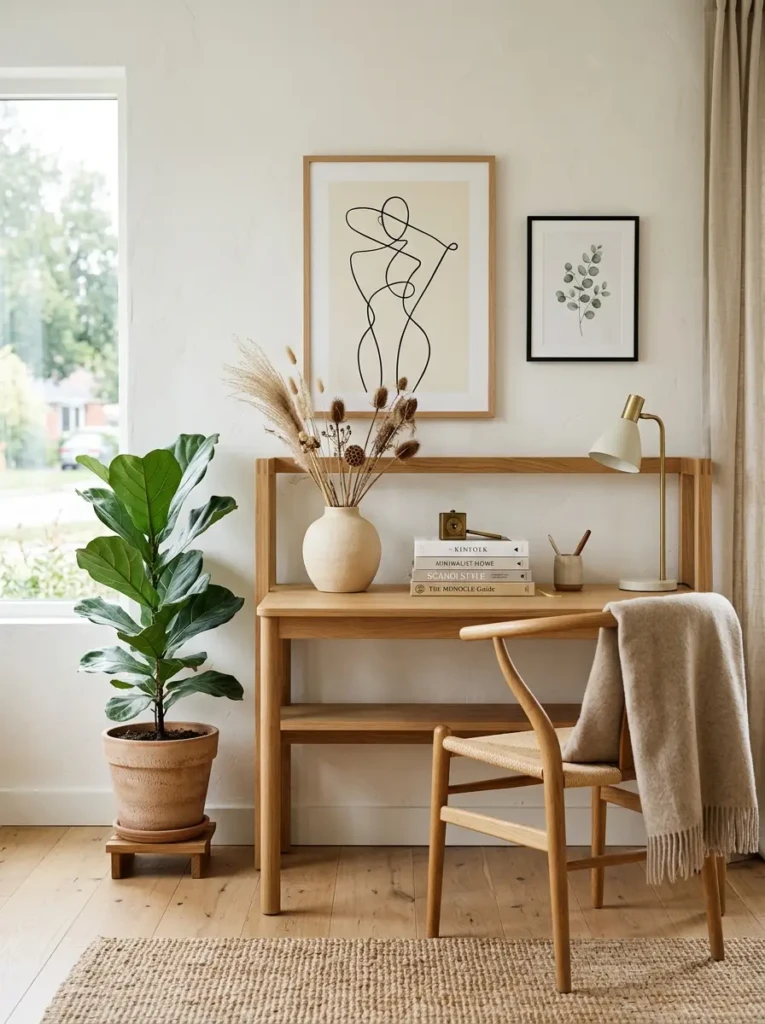
Minimalism does not mean removing all personality from your room. Instead, it encourages intentional decorating.
Display one or two meaningful photographs, favorite books, or handcrafted decorative objects.
A carefully selected indoor plant or piece of artwork can become a beautiful focal point while preserving the room’s clean appearance.
The goal is to showcase items that genuinely reflect your lifestyle rather than filling empty space.
Common Mistakes to Avoid
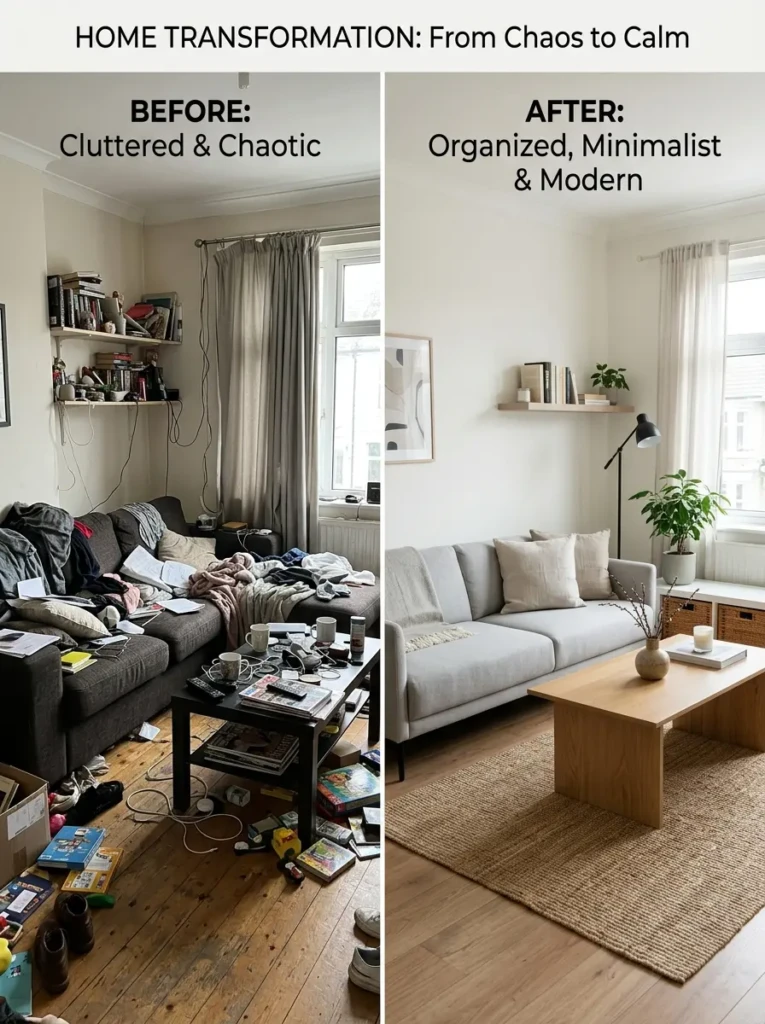
One common misconception is believing minimalist rooms must feel empty or cold. In reality, warmth comes from thoughtful lighting, natural materials, and comfortable furniture.
Another mistake is purchasing trendy decorations that quickly lose relevance.
Poor organization can also undermine minimalist design. Even beautiful furniture loses its impact when clutter accumulates on visible surfaces.
Careful planning and consistent organization help maintain a successful minimalist interior.
Maintaining a Minimalist Room
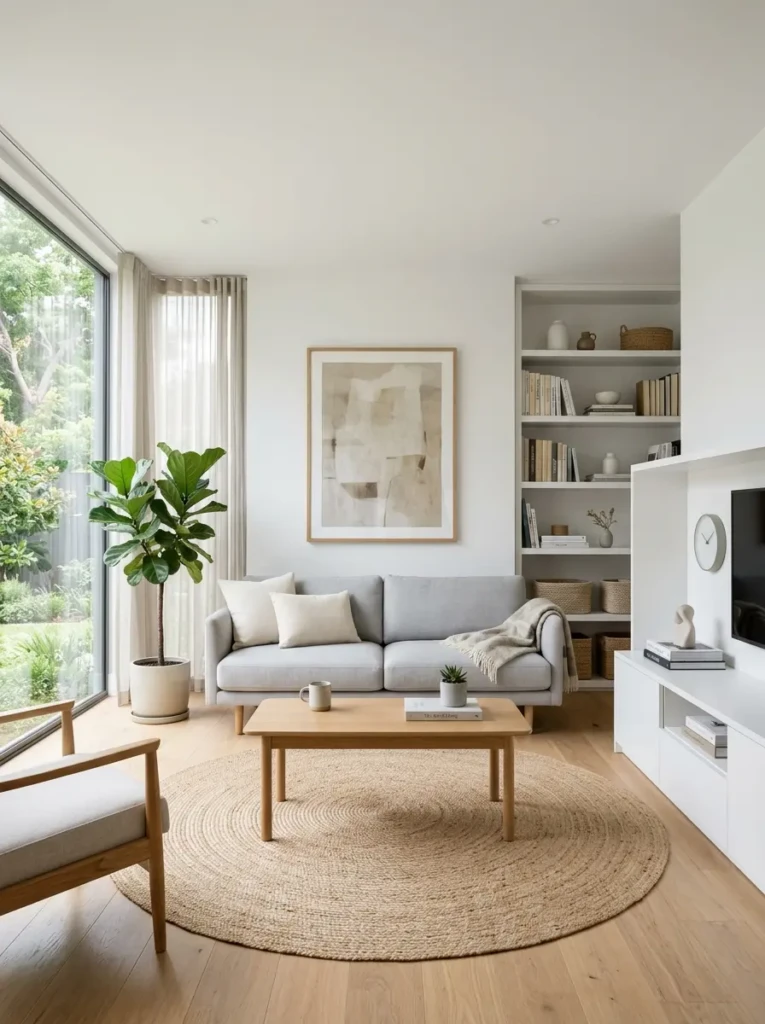
Minimalist spaces remain attractive through simple daily habits.
Spend a few minutes each day returning belongings to their designated storage locations. Clean surfaces regularly and remove unnecessary items before they accumulate.
Seasonally reviewing clothing, decorations, and household items helps prevent clutter from returning.
These small routines preserve the room’s calm and organized atmosphere throughout the year.
Long-Term Benefits of Minimalist Living
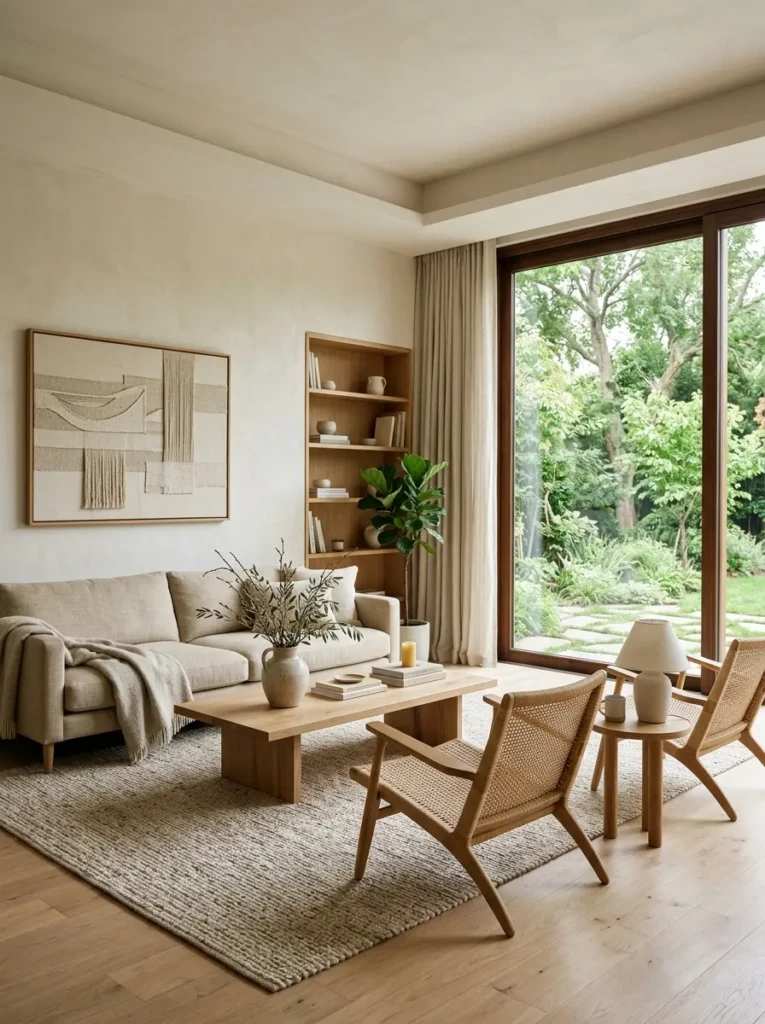
Minimalist design offers lasting advantages that extend beyond appearance.
A thoughtfully organized room promotes mental clarity, reduces stress, and encourages intentional living. Timeless furniture remains stylish despite changing trends, reducing future decorating costs.
Because minimalist interiors require fewer decorative items, they are also easier to maintain and more environmentally sustainable.
The combination of simplicity, functionality, and durability creates living spaces that continue to feel comfortable for years.
Conclusion
A minimalist room demonstrates that simplicity can be both beautiful and practical. Through neutral colors, purposeful furniture, natural materials, and organized storage, minimalist interiors create environments that support relaxation, productivity, and everyday comfort.
Whether you are inspired by modern minimalist room designs, the warmth of a korean minimalist room, the bold elegance of a black minimalist room, or the soft charm of a pink minimalist room, the principles remain the same: prioritize quality, eliminate unnecessary clutter, and decorate with intention. By applying thoughtful minimalist room ideas, you can create a timeless space that feels open, stylish, and welcoming every day.