Minimalist Desk: Create a Clean, Productive, and Stylish Workspace
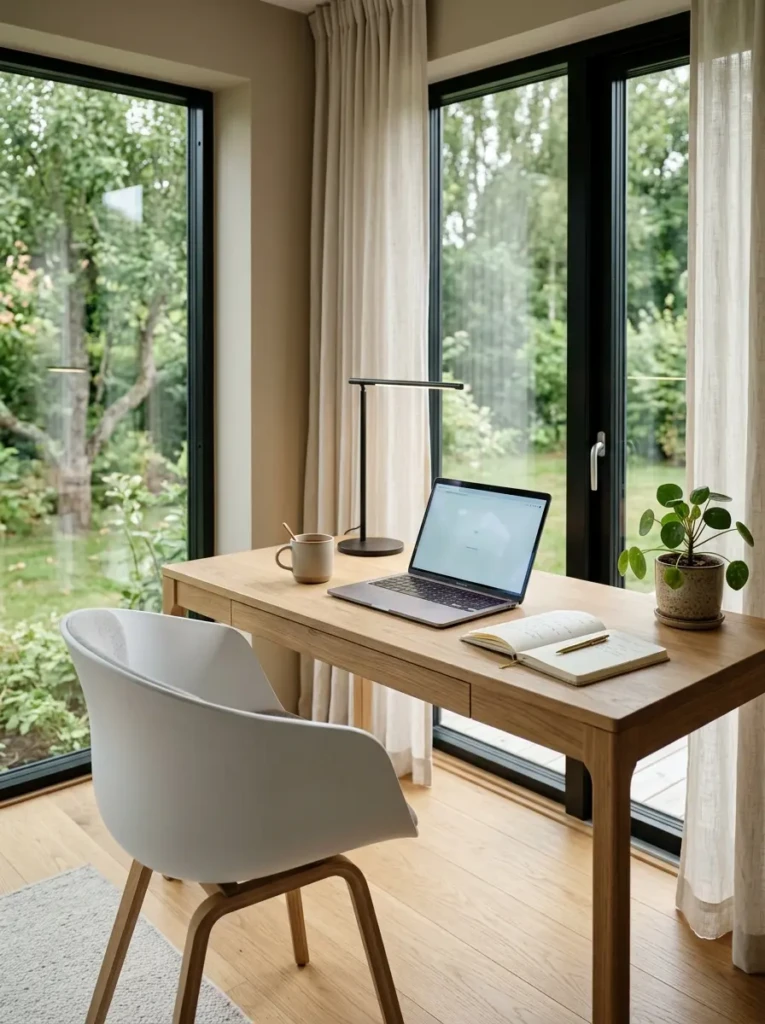
A minimalist desk is more than just a piece of furniture—it’s the foundation of an organized and productive workspace. Whether you’re working from home, studying, or pursuing creative projects, a clean desk can improve focus, reduce distractions, and create a calm environment that supports efficiency. Minimalist design emphasizes functionality, simplicity, and intentional organization, making it an ideal choice for modern workspaces.
Instead of filling your desk with unnecessary accessories, a minimalist approach encourages you to keep only the essentials. The result is a workspace that feels open, inspiring, and easier to maintain every day.
What Is a Minimalist Desk?
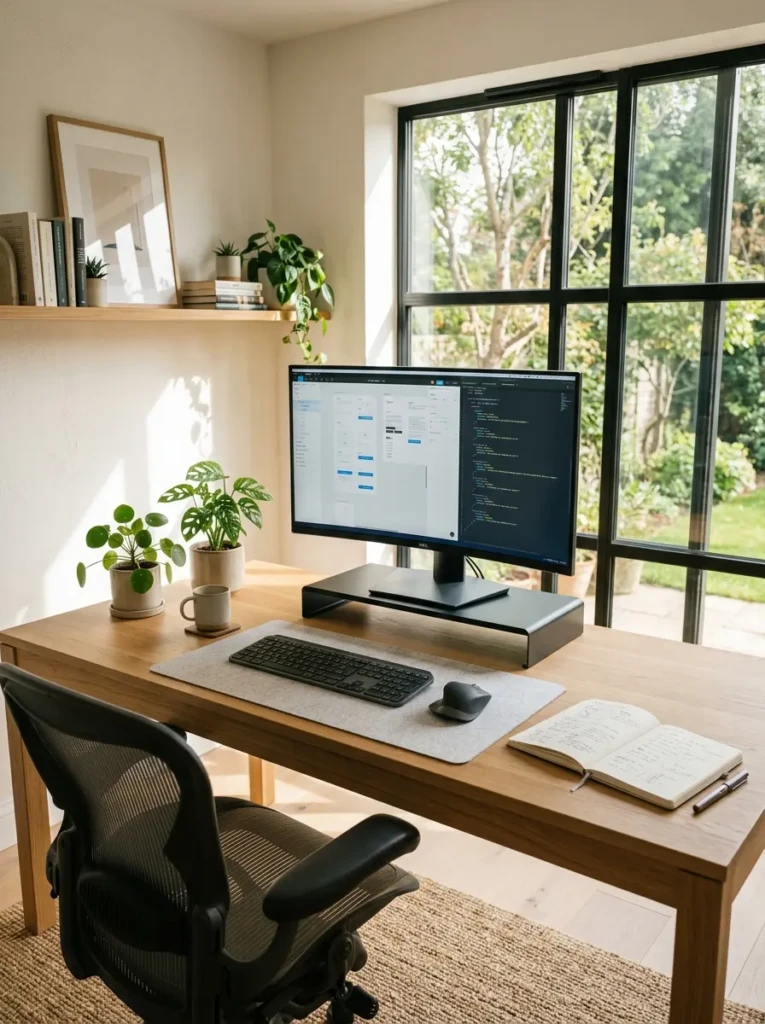
A minimalist desk features a clean design with simple lines, neutral colors, and practical functionality. It eliminates unnecessary ornamentation while focusing on comfort and usability.
Most minimalist desks are made from natural wood, metal, or engineered materials with sleek finishes. They often include discreet storage options to help keep clutter hidden while maintaining a streamlined appearance.
The purpose of a minimalist desk is not simply to look attractive but to create an environment where productivity and creativity can thrive.
Benefits of Choosing a Minimalist Desk
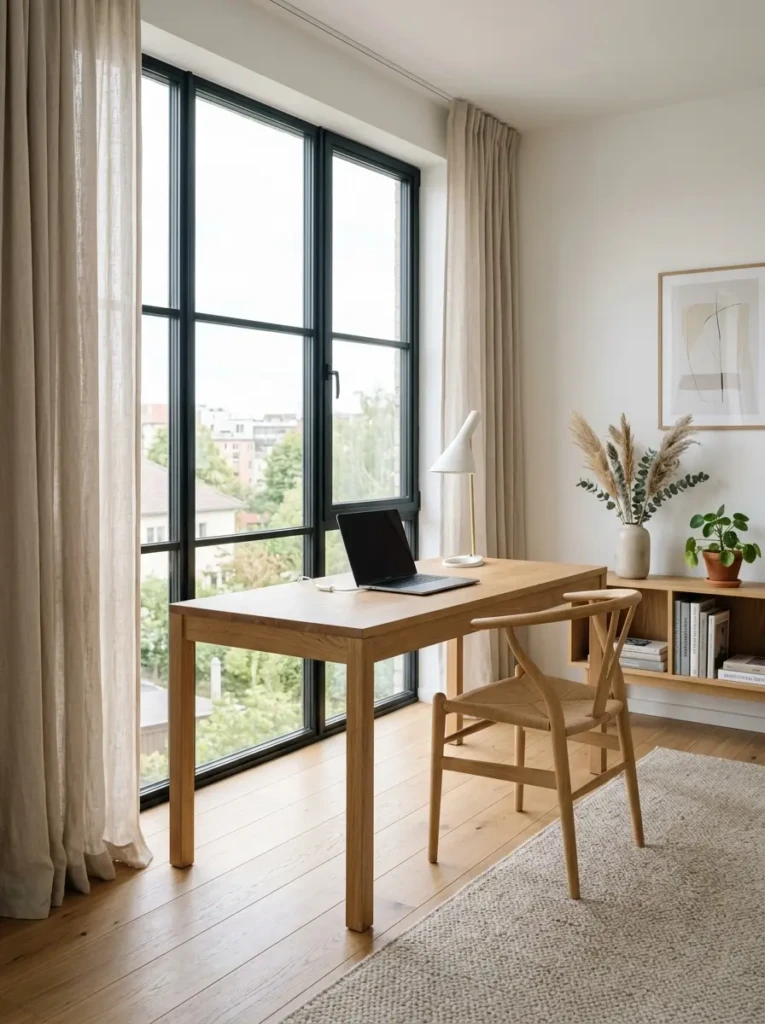
One of the biggest advantages of minimalist furniture is its ability to reduce visual distractions. A clutter-free workspace allows your brain to focus on important tasks rather than constantly processing unnecessary objects.
Minimalist desks are also easier to clean and organize. With fewer items on the surface, daily maintenance takes only a few minutes.
Additionally, minimalist furniture complements a wide range of interior styles, from Scandinavian and contemporary to industrial and modern farmhouse designs.
Selecting the Right Minimalist Desk
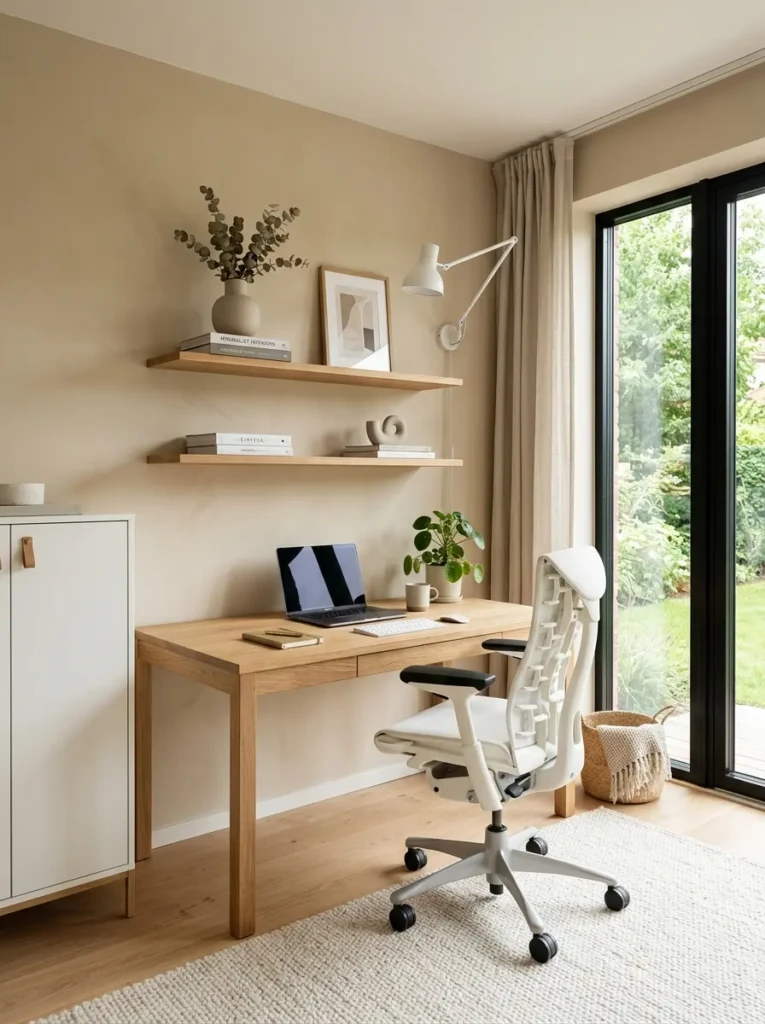
Choosing the right minimalist desk begins with understanding your workspace needs. Consider how much surface area you require for your computer, notebooks, or creative tools.
A compact desk works well in small apartments, while larger desks provide additional flexibility for multitasking. Look for durable construction, stable legs, and quality materials that will last for years.
Simple rectangular designs remain the most versatile because they fit comfortably into nearly any room layout.
Building the Perfect Minimalist Desk Setup
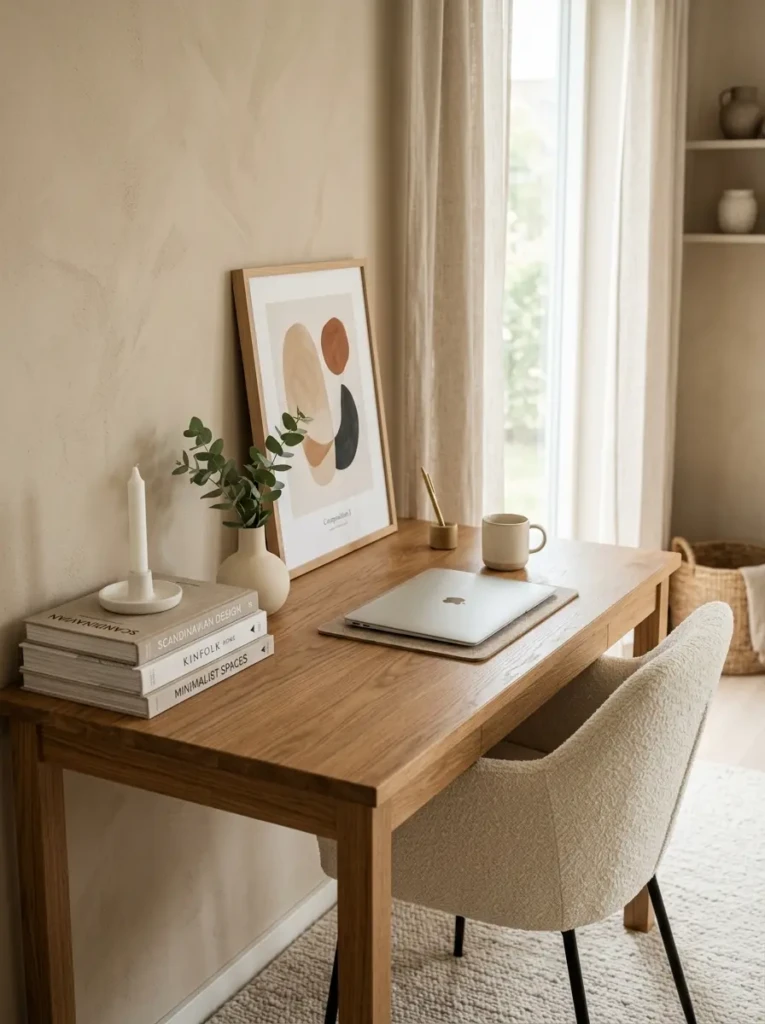
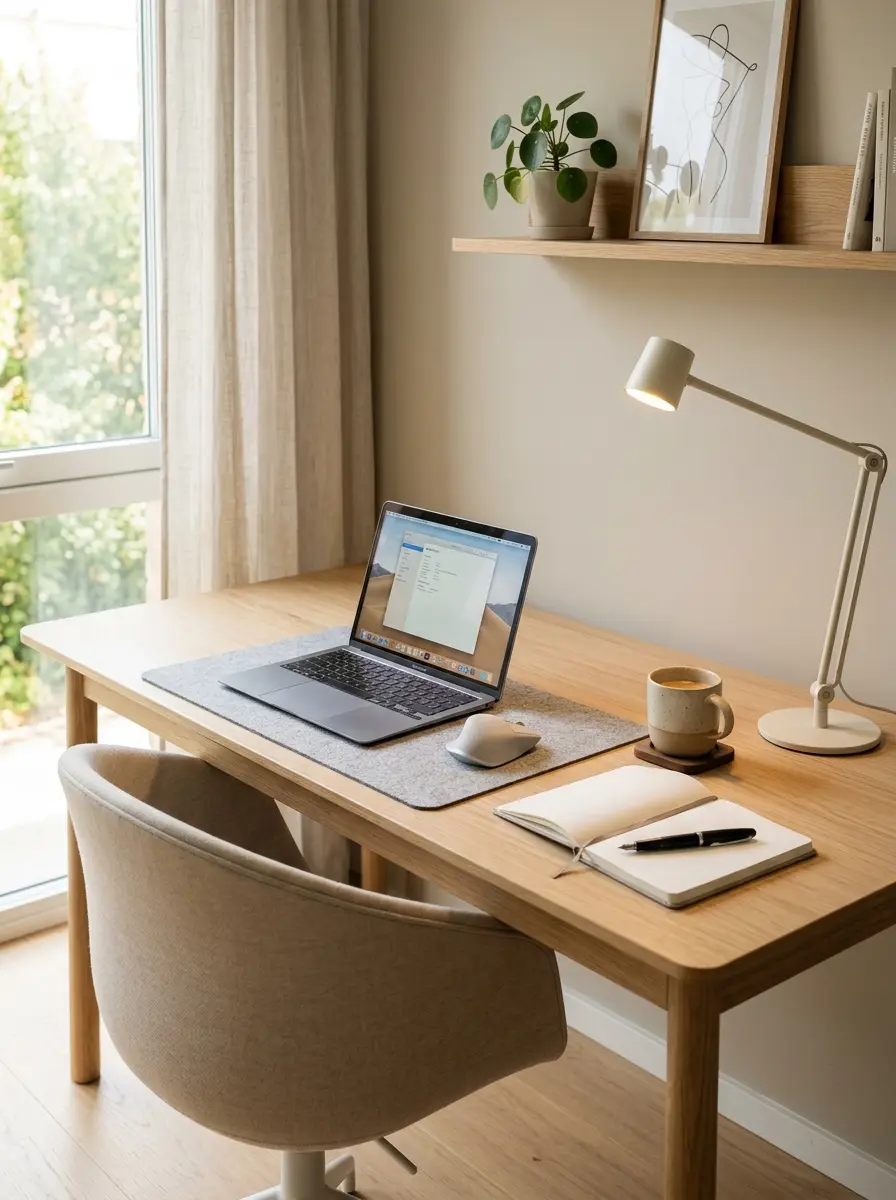
A thoughtful minimalist desk setup prioritizes efficiency without sacrificing comfort. Begin with only the essentials: a computer, keyboard, mouse, notebook, and task lighting.
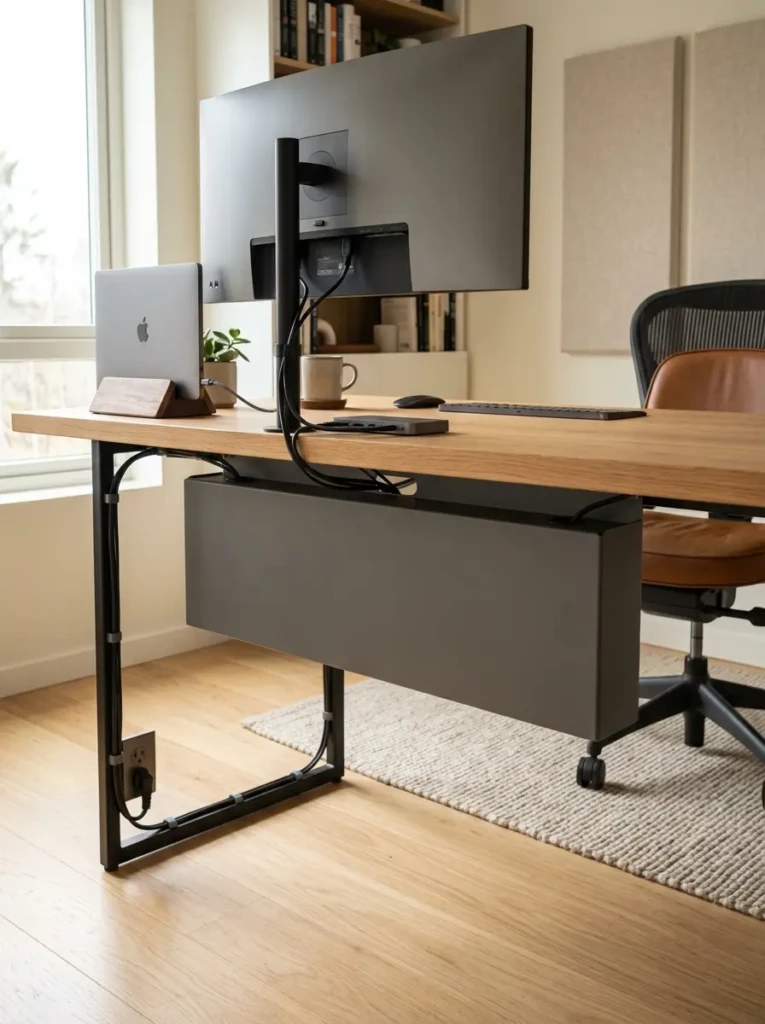
Cable management plays a major role in maintaining a clean appearance. Cable trays, clips, and wireless accessories help eliminate tangled cords that quickly create visual clutter.
Position frequently used items within easy reach while storing less frequently used supplies inside drawers or organizers.
Creating a Minimalist Desk Aesthetic
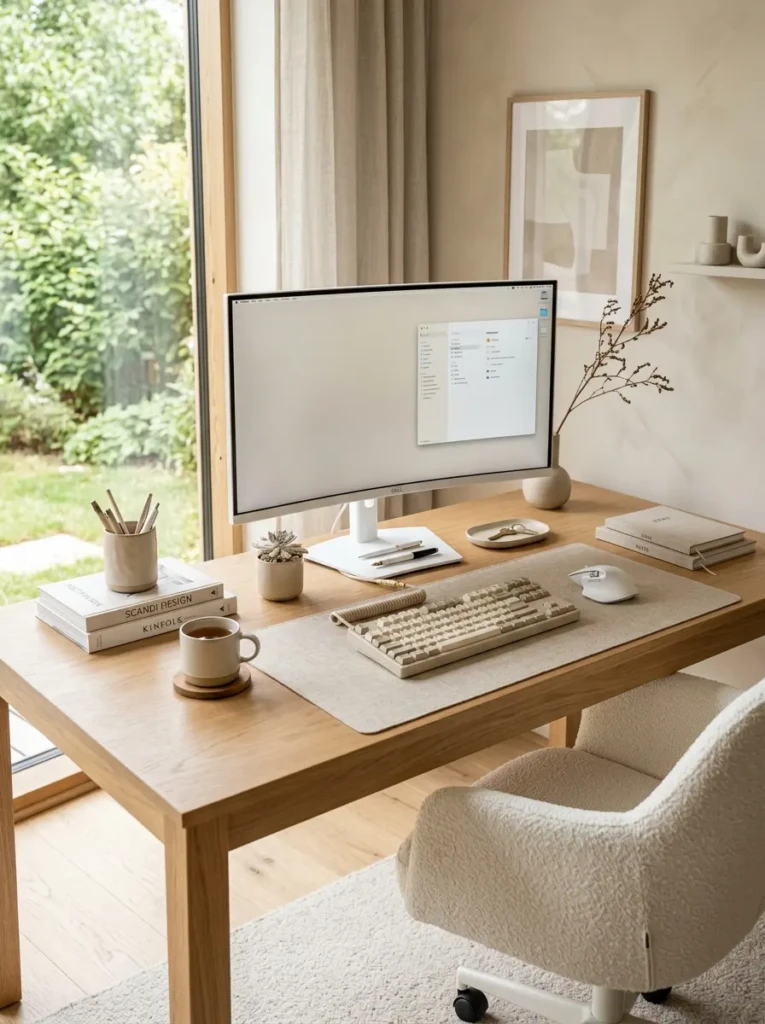
A minimalist desk aesthetic focuses on harmony, balance, and simplicity. Neutral color palettes create a calming atmosphere that supports concentration throughout the day.
Choose matching accessories in black, white, beige, or natural wood finishes. Coordinated desk accessories create visual consistency without overwhelming the workspace.
Adding subtle textures through wood grain, linen organizers, or ceramic containers introduces warmth while maintaining a clean appearance.
Choosing the Best Chair for Your Workspace
Even the most beautiful desk requires a comfortable chair. Ergonomics should always take priority over appearance.
Look for adjustable seating that supports proper posture during long working sessions. Neutral-colored office chairs with simple silhouettes complement minimalist interiors exceptionally well.
If space allows, consider a chair with breathable fabric and lumbar support to maximize comfort throughout the workday.
Lighting for a Minimalist Workspace
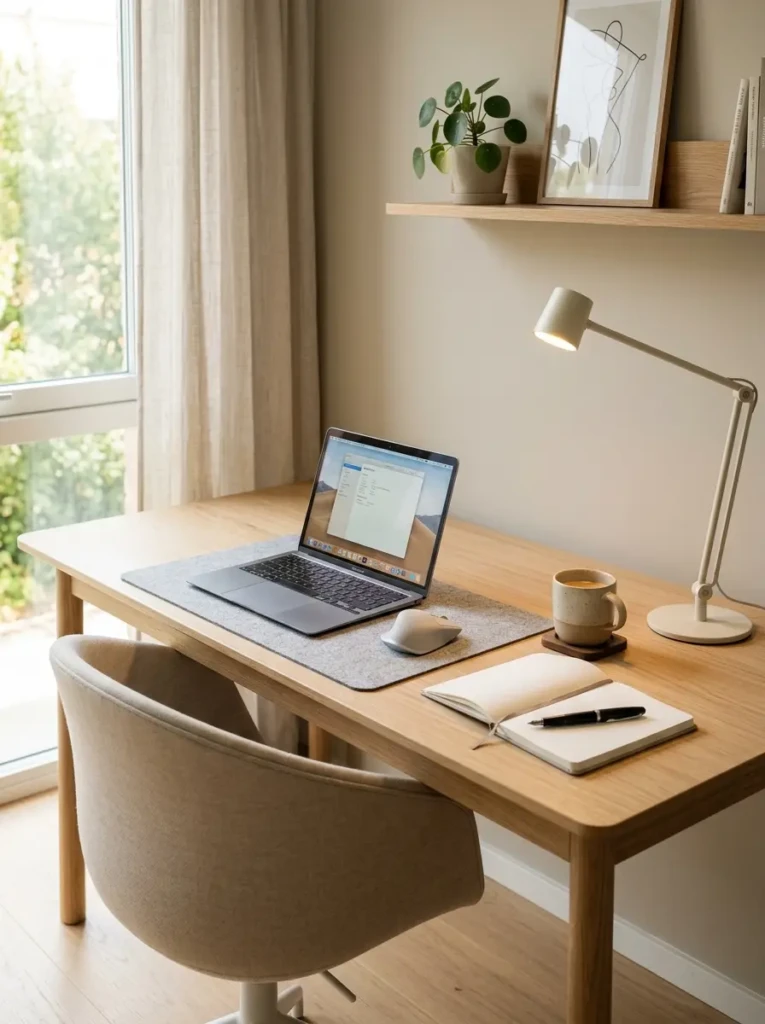
Lighting dramatically affects both productivity and mood. Natural daylight remains the best option whenever possible, so position your desk near a window.
Supplement natural light with a modern desk lamp featuring clean lines and adjustable brightness. Warm white lighting creates a comfortable environment while reducing eye strain.
Avoid oversized or decorative lighting fixtures that compete with the simplicity of the workspace.
Storage Solutions That Keep Desks Clutter-Free
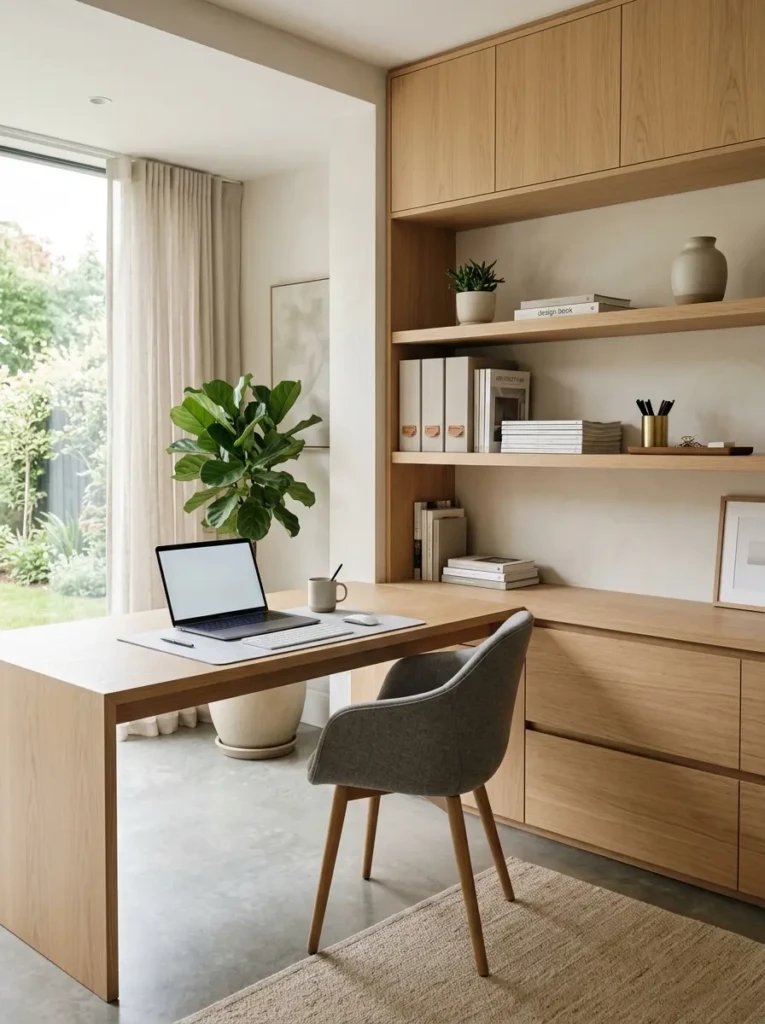
Organization is one of the core principles of minimalist design. Hidden storage helps maintain a clean surface while ensuring everything remains accessible.
Drawer organizers, filing cabinets, floating shelves, and under-desk storage units are excellent additions to minimalist workspaces.
Assign every item a designated location so that cleaning and organizing become effortless habits rather than overwhelming tasks.
Minimalist Desk Decor Ideas
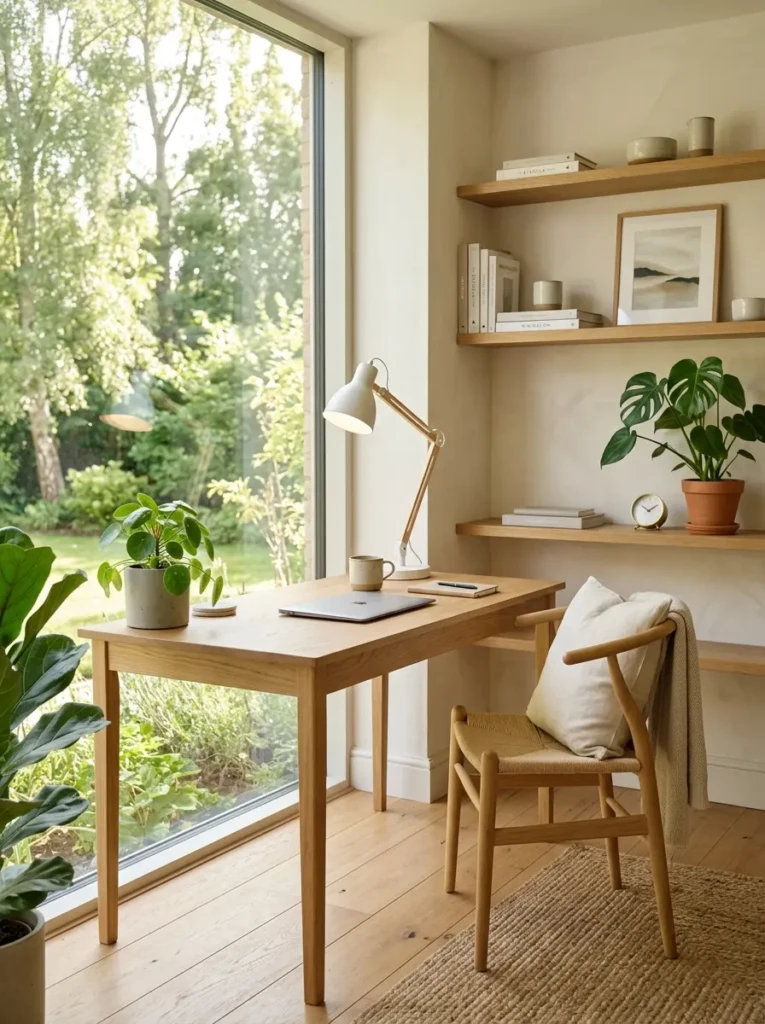
Decor should enhance your workspace rather than distract from it. The best minimalist desk decor ideas focus on quality over quantity.
A small indoor plant adds freshness and color while improving the overall atmosphere. A ceramic pen holder, elegant notebook, or framed print can personalize the space without creating clutter.
Avoid filling every available surface. Empty space is an important part of minimalist design because it creates visual balance.
Technology and Minimalism
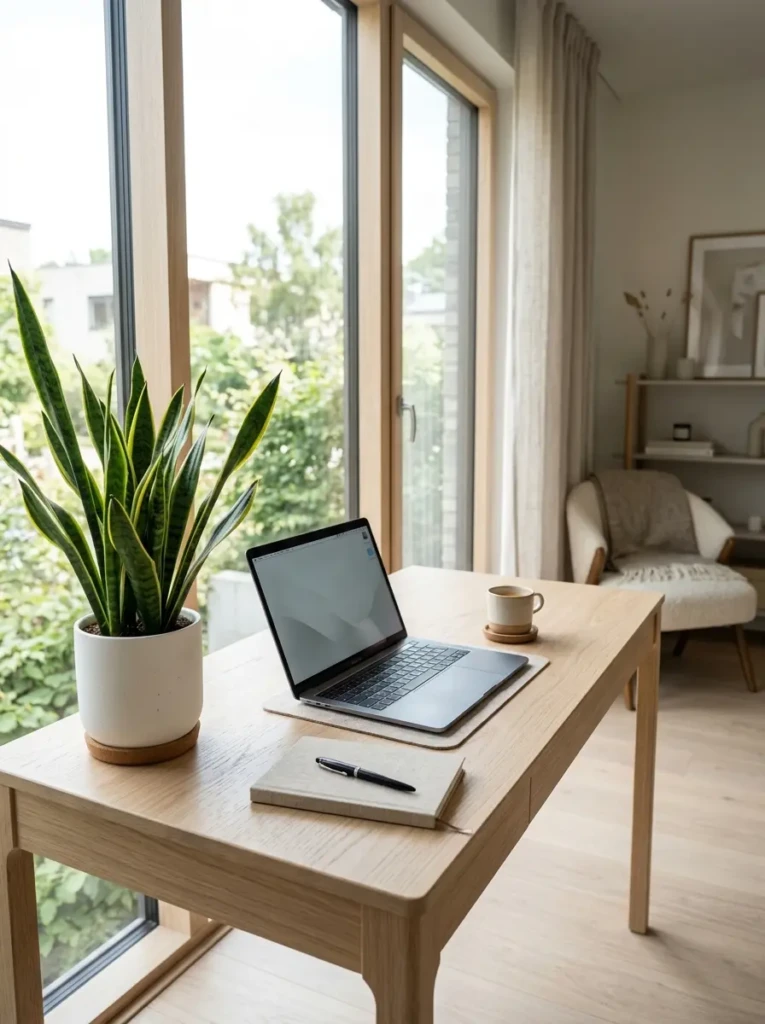
Technology is central to modern workspaces, but it should integrate seamlessly into your minimalist setup.
Choose wireless keyboards, mice, and headphones whenever possible to reduce visible cables. Slim monitors with thin bezels contribute to a cleaner appearance.
Docking stations and cable management boxes keep electronics organized while preserving the minimalist aesthetic.
Personalizing Your Workspace
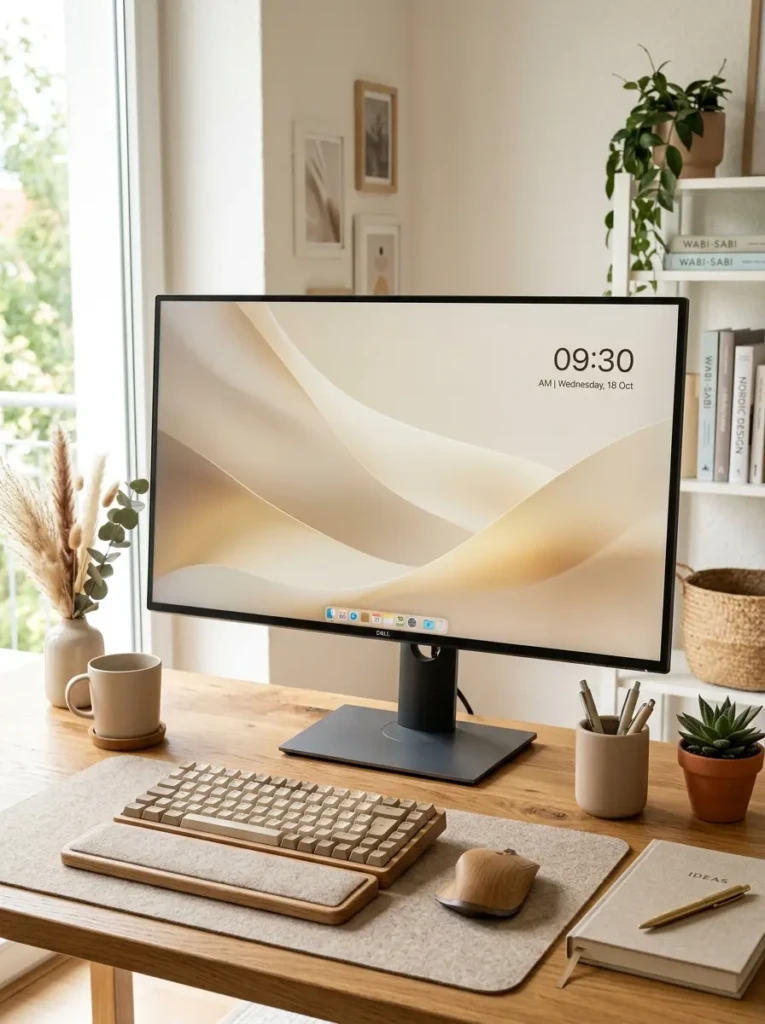
Minimalism doesn’t mean removing all personality from your desk. Instead, it encourages thoughtful personalization.
Display one or two meaningful objects, such as a favorite photograph, handcrafted decoration, or motivational quote.
Limiting personal items allows each piece to stand out while preserving the calm atmosphere that defines minimalist interiors.
Choosing the Right Color Palette
Color has a significant impact on focus and productivity. Neutral tones remain the foundation of minimalist design because they reduce visual distractions.
White, beige, light gray, warm taupe, and natural wood create timeless combinations that complement nearly any workspace.
For computer users, a minimalist desktop wallpaper aesthetic beige theme pairs beautifully with neutral desk accessories and creates a cohesive digital and physical workspace.
Organizing Daily Essentials
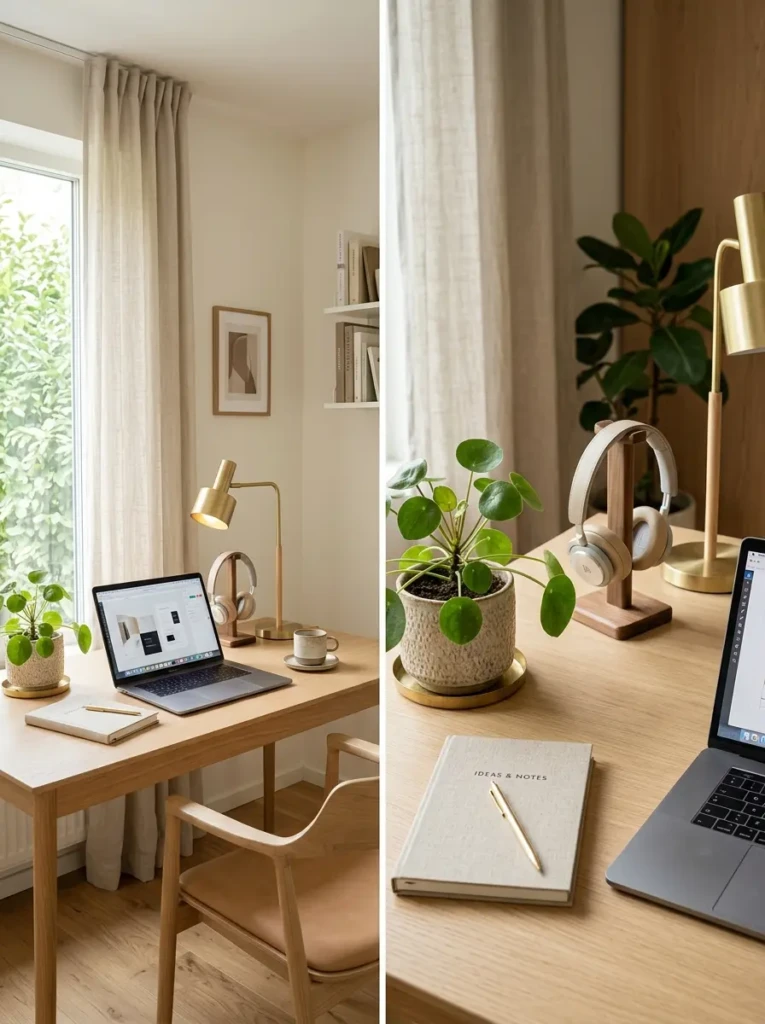
A productive workspace requires intentional organization. Keep only daily essentials on your desk while storing everything else out of sight.
A notebook, planner, water bottle, laptop, and pen are often sufficient for most professionals and students.
Regularly reviewing your desk helps prevent unnecessary accumulation of supplies and paperwork.
Minimalist Desks for Small Spaces
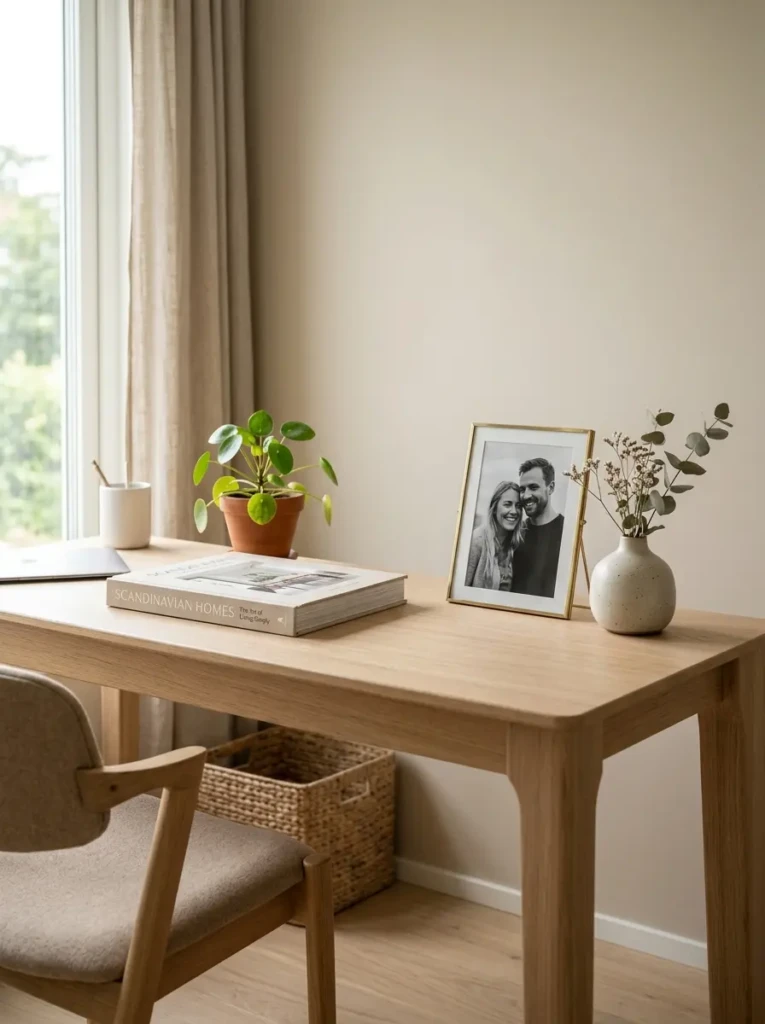
Small apartments and home offices benefit greatly from minimalist furniture. Compact desks maximize functionality without overwhelming limited floor space.
Wall-mounted desks, floating desks, and foldable workstations provide practical solutions for tight areas.
Pairing these desks with vertical storage helps maximize efficiency while maintaining an open and airy environment.
Common Mistakes to Avoid
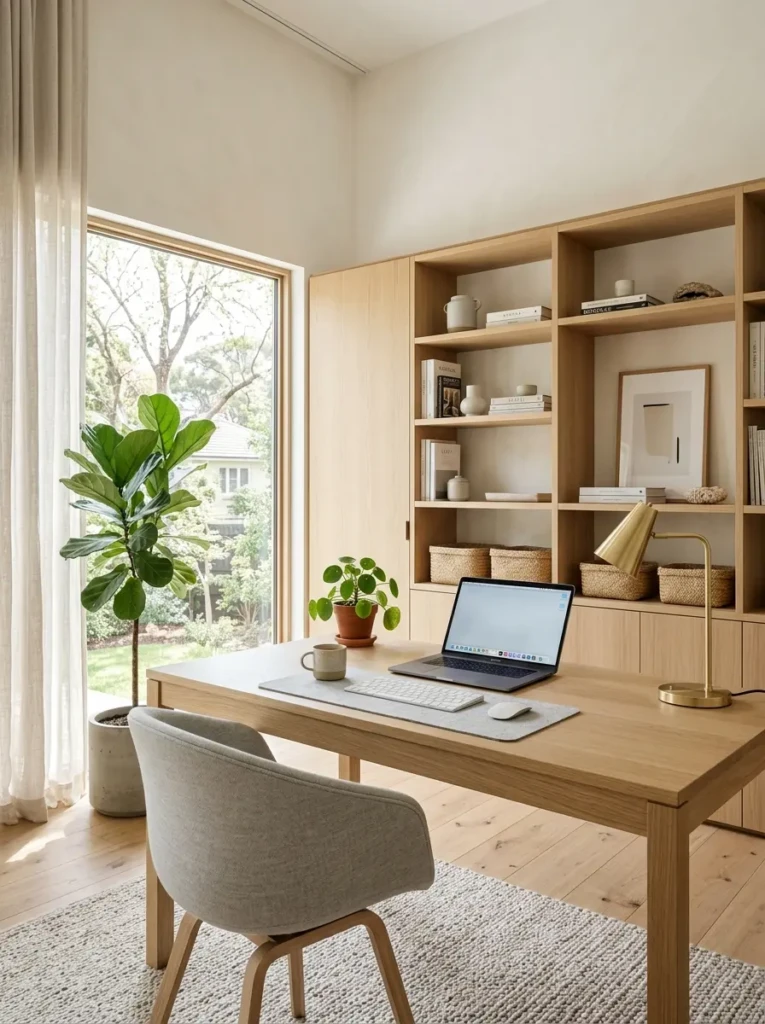
One common mistake is confusing minimalism with emptiness. A workspace should still feel comfortable and functional rather than sterile.
Another mistake is purchasing decorative accessories without considering their purpose. Every item should contribute to either productivity or personal enjoyment.
Ignoring cable management, poor lighting, and uncomfortable seating can also reduce the effectiveness of an otherwise beautiful workspace.
Maintaining a Minimalist Workspace
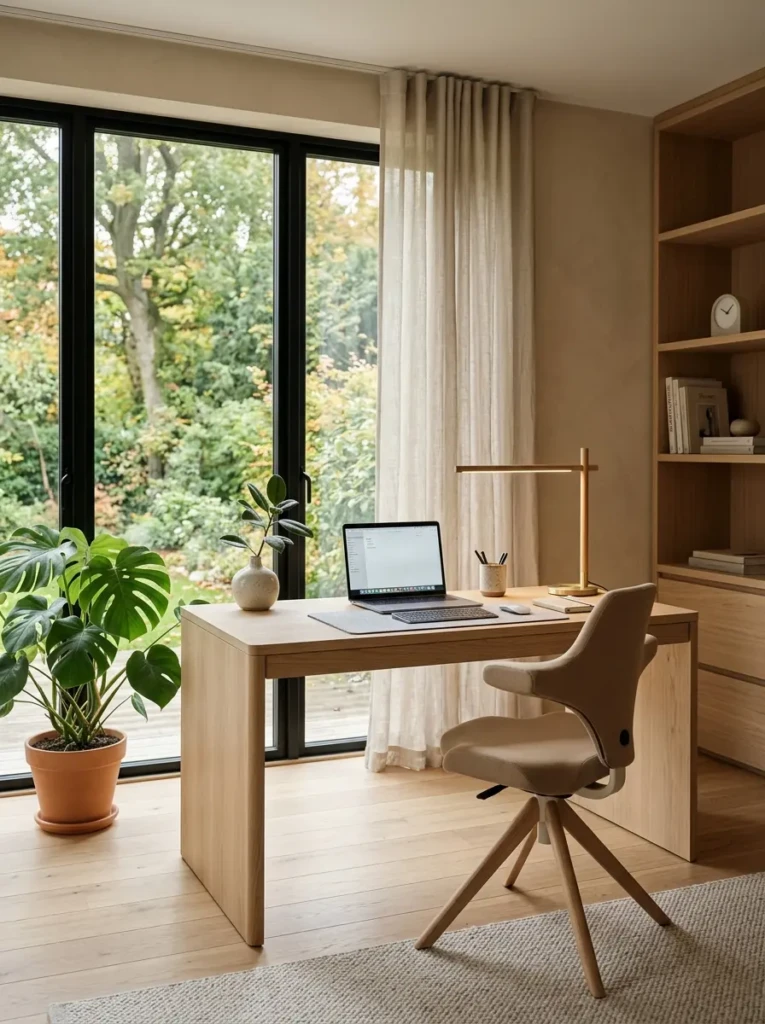
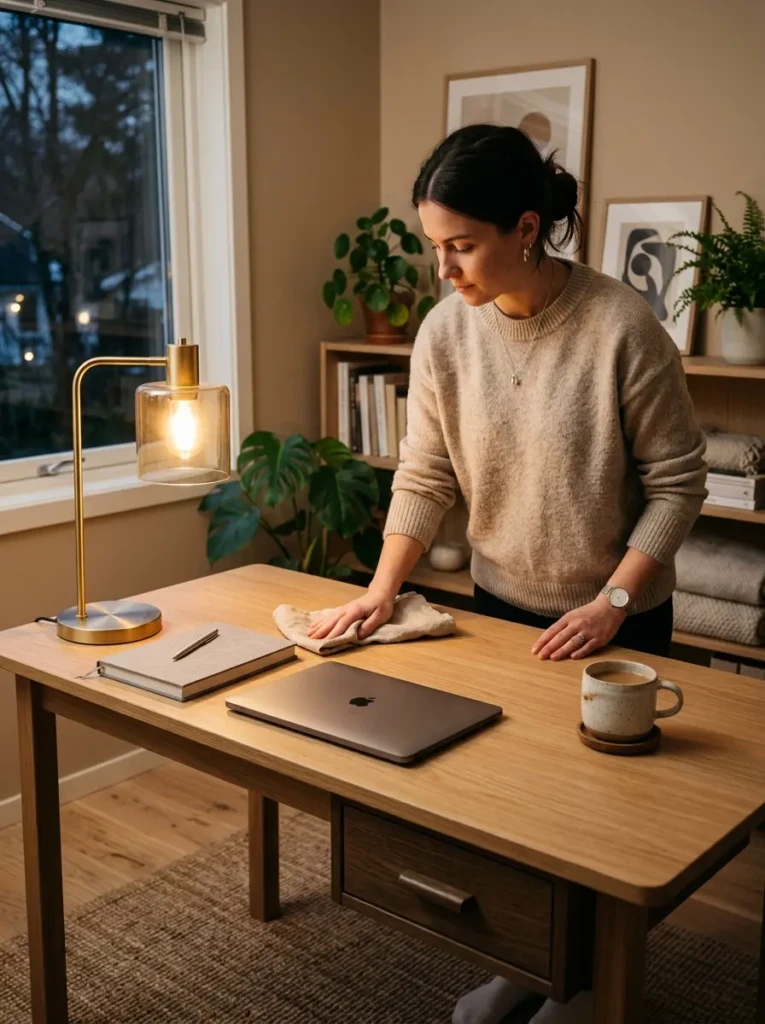
Minimalist workspaces remain attractive through consistent maintenance. Spend five minutes at the end of each workday returning items to their designated places.
Dust surfaces regularly, organize paperwork immediately, and remove unnecessary objects before they accumulate.
Simple daily habits prevent clutter from building and help maintain a productive environment throughout the year.
The Long-Term Benefits of Minimalism

A minimalist desk supports more than organization—it encourages mindful work habits and intentional living.
A clean workspace often leads to improved concentration, reduced stress, and greater creativity. Investing in high-quality furniture and keeping only what you truly need creates lasting value.
Over time, minimalist workspaces become easier to maintain, more enjoyable to use, and better suited for both professional and personal growth.
Conclusion
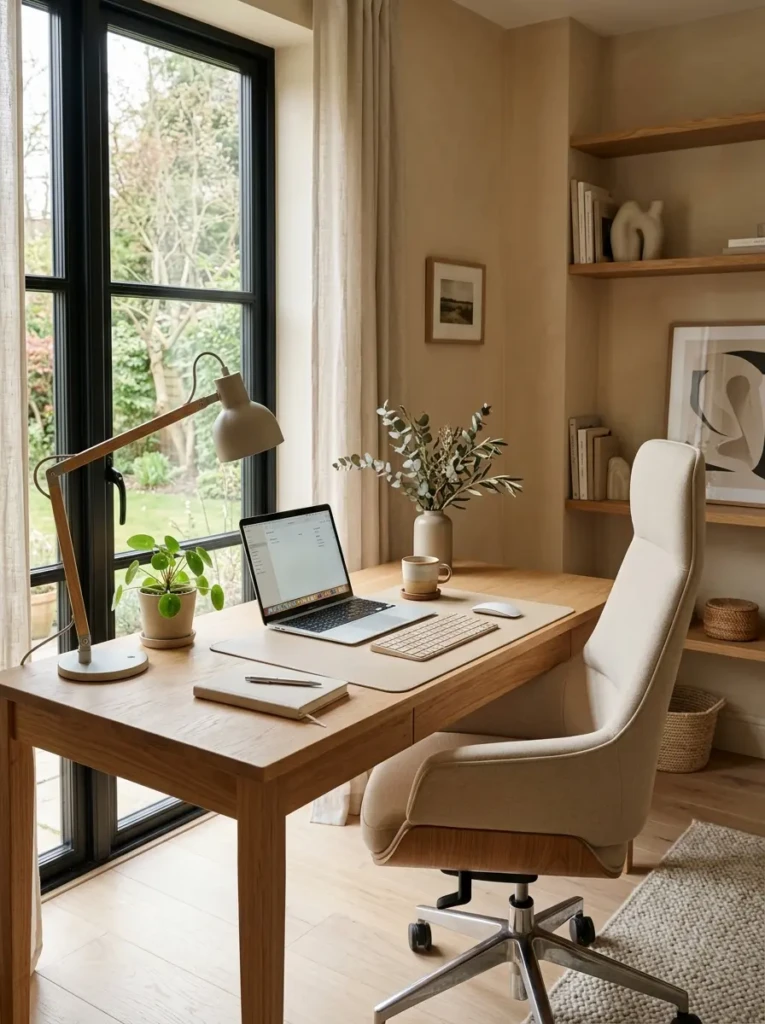
A minimalist desk combines simplicity, functionality, and timeless style to create an efficient workspace that promotes productivity and well-being. From selecting quality furniture to building a thoughtful minimalist desk setup, every decision contributes to a cleaner and more organized environment.
Whether your goal is achieving a refined minimalist desk aesthetic, incorporating practical minimalist desk decor ideas, or complementing your workspace with a minimalist desktop wallpaper aesthetic beige theme, intentional design choices make a lasting difference.
By focusing on essential tools, smart organization, and high-quality materials, you can create a workspace that supports creativity, minimizes distractions, and remains stylish for years to come.