Minimalist Home: Creating a Calm, Functional, and Beautiful Living Space
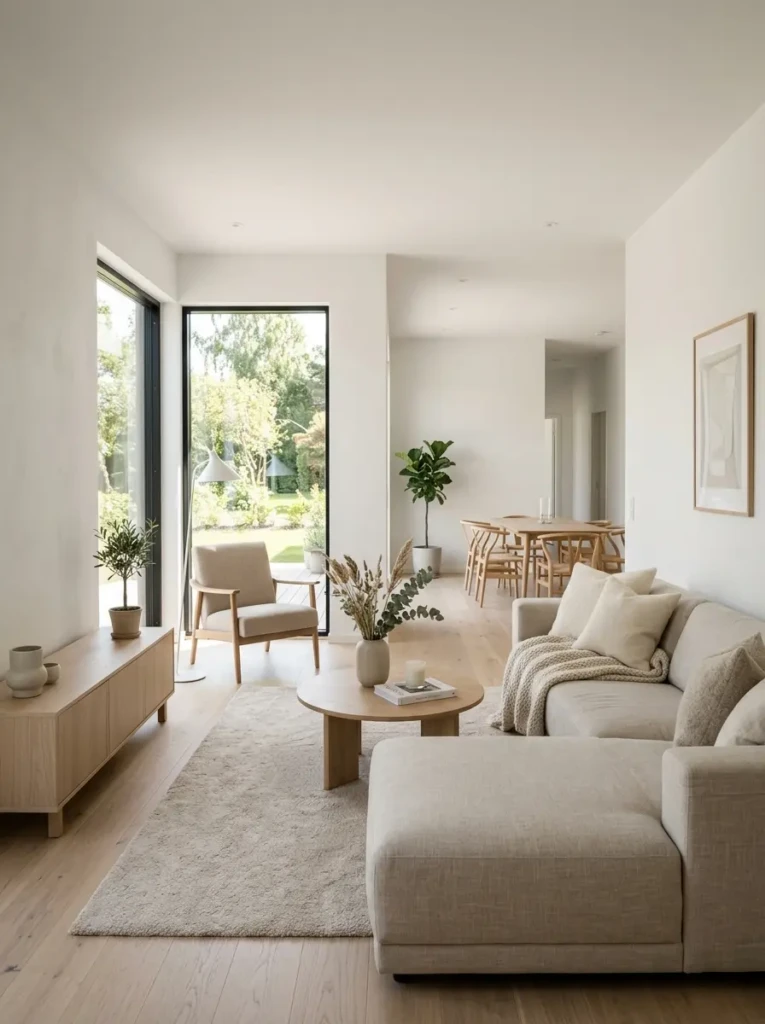
A minimalist home is more than a design trend. It is a lifestyle focused on simplicity, functionality, and intentional living. Instead of filling every corner with decorations and unnecessary furniture, minimalist interiors prioritize open spaces, natural light, and carefully selected pieces that serve a purpose. The result is a calm and organized environment that promotes peace of mind and easier daily living.
Modern homeowners are increasingly choosing minimalist design because it reduces clutter, lowers stress, and creates a timeless aesthetic. Whether you live in a small apartment or a large house, minimalism can help transform your home into a relaxing retreat.
The Core Principles of a Minimalist Home
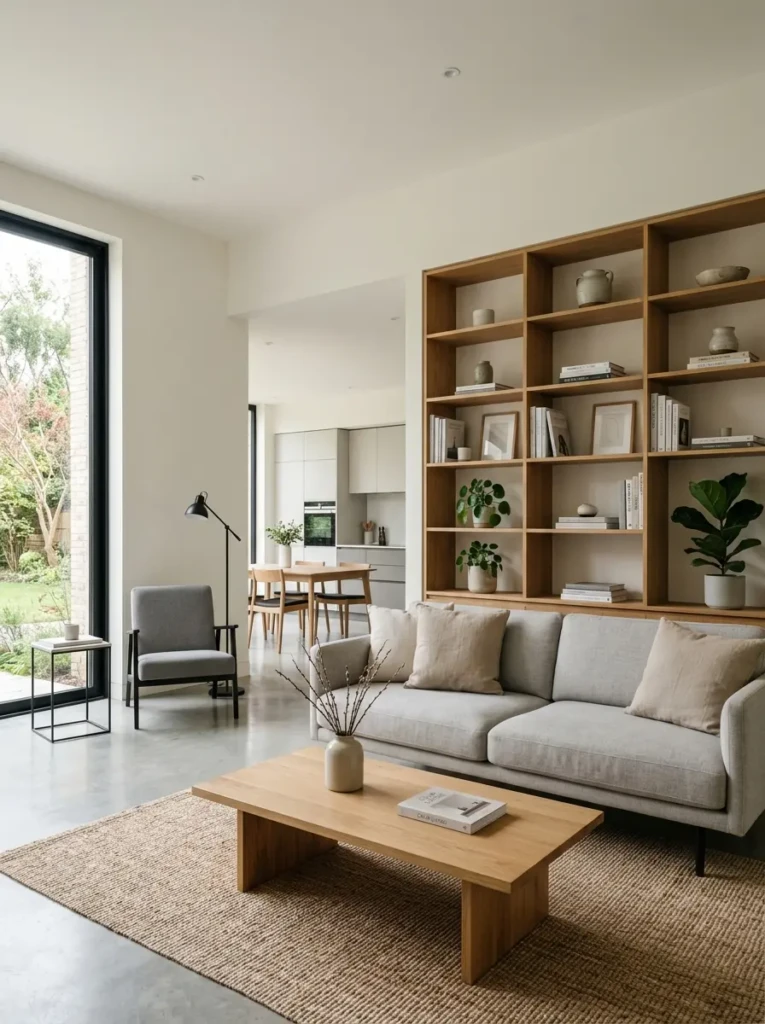
Minimalism revolves around a few essential principles. First, every item should have a purpose. Decorative pieces are chosen carefully, and furniture is functional without overwhelming the room.
Second, minimalist homes rely on clean lines and uncluttered layouts. Rooms feel open and breathable because unnecessary items are removed. Neutral tones, natural textures, and subtle accents replace excessive patterns and bright colors.
Finally, quality matters more than quantity. Instead of purchasing many inexpensive decorations, minimalist homeowners invest in durable furniture and timeless decor pieces that last for years.
Choosing the Right Color Palette
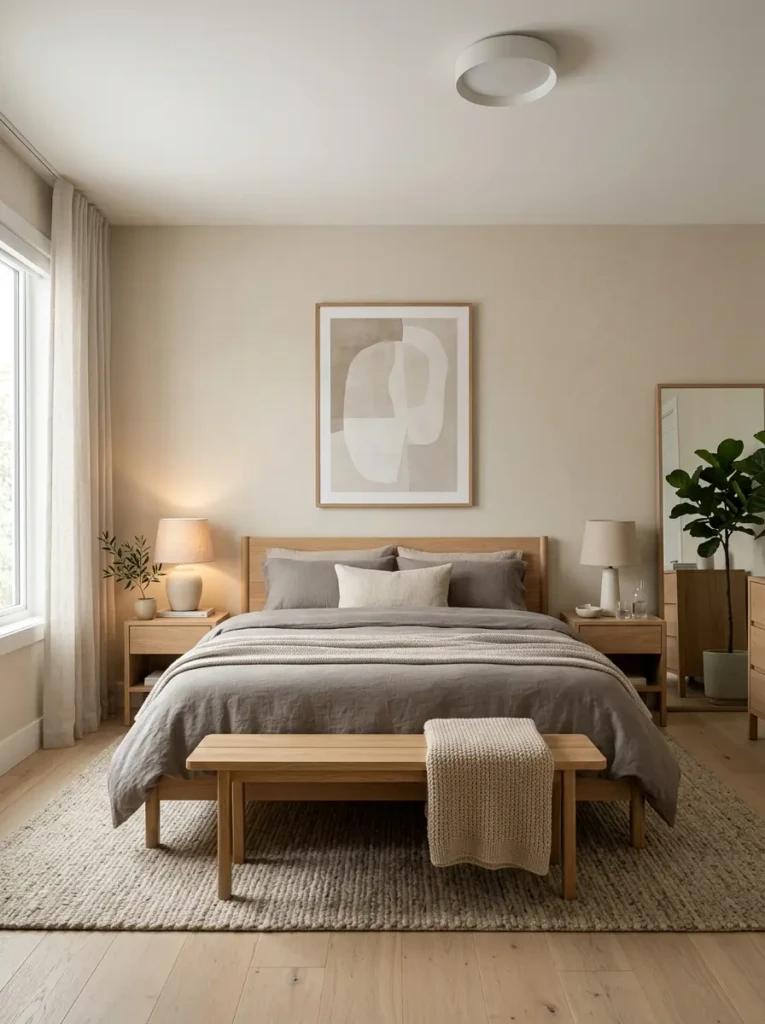
The color palette plays a major role in minimalist interior design. Soft neutrals such as white, beige, gray, cream, and muted earth tones help create a serene atmosphere. These shades reflect natural light and make rooms feel larger and more peaceful.
For bedrooms, many homeowners prefer minimalist bedroom color palettes that combine soft whites with warm taupe, dusty gray, or pale olive tones. These colors create a restful environment that supports relaxation and better sleep.
Adding small amounts of black or charcoal can also create depth and contrast without disrupting the simplicity of the design.
Minimalist Living Room Design
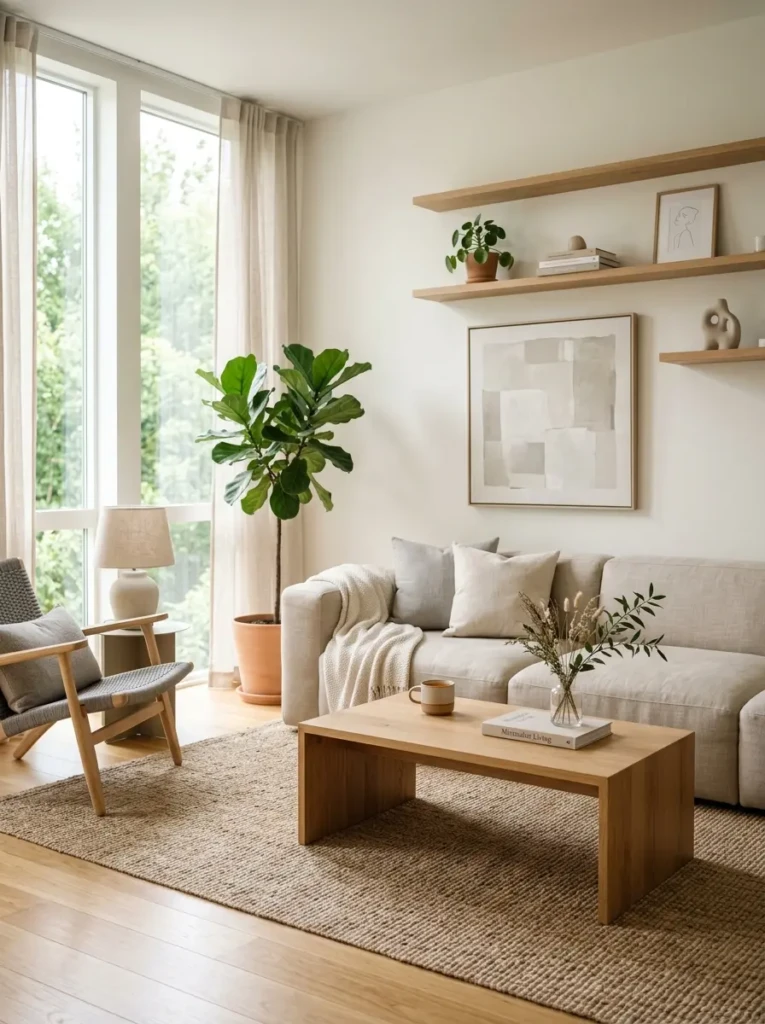
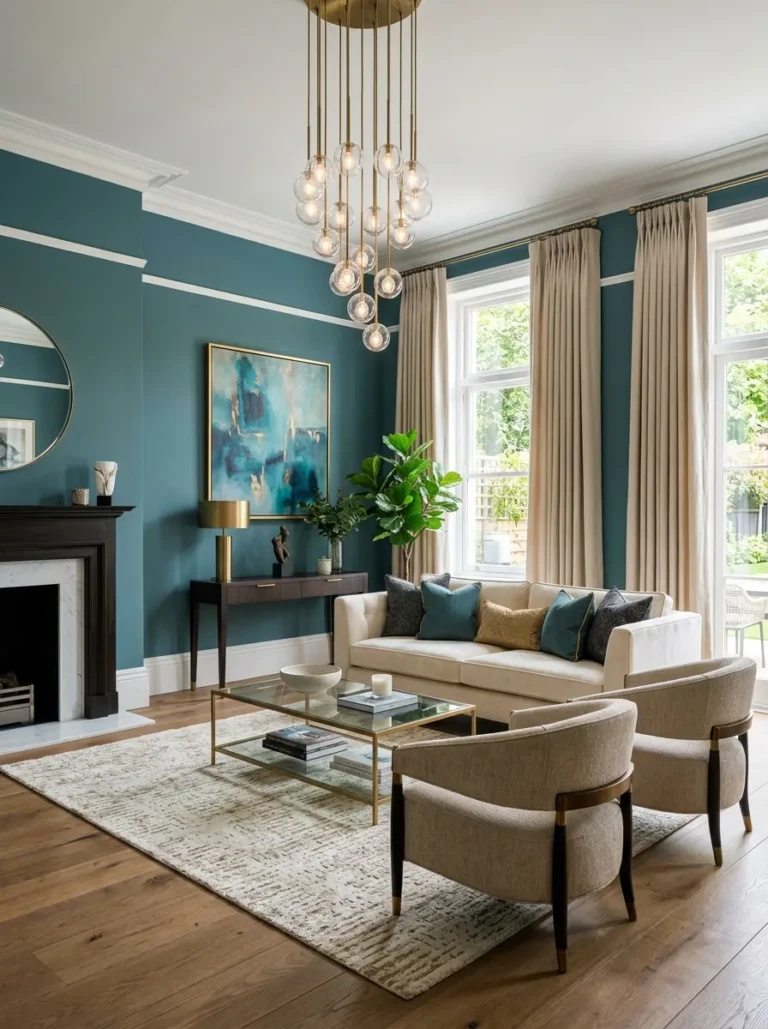
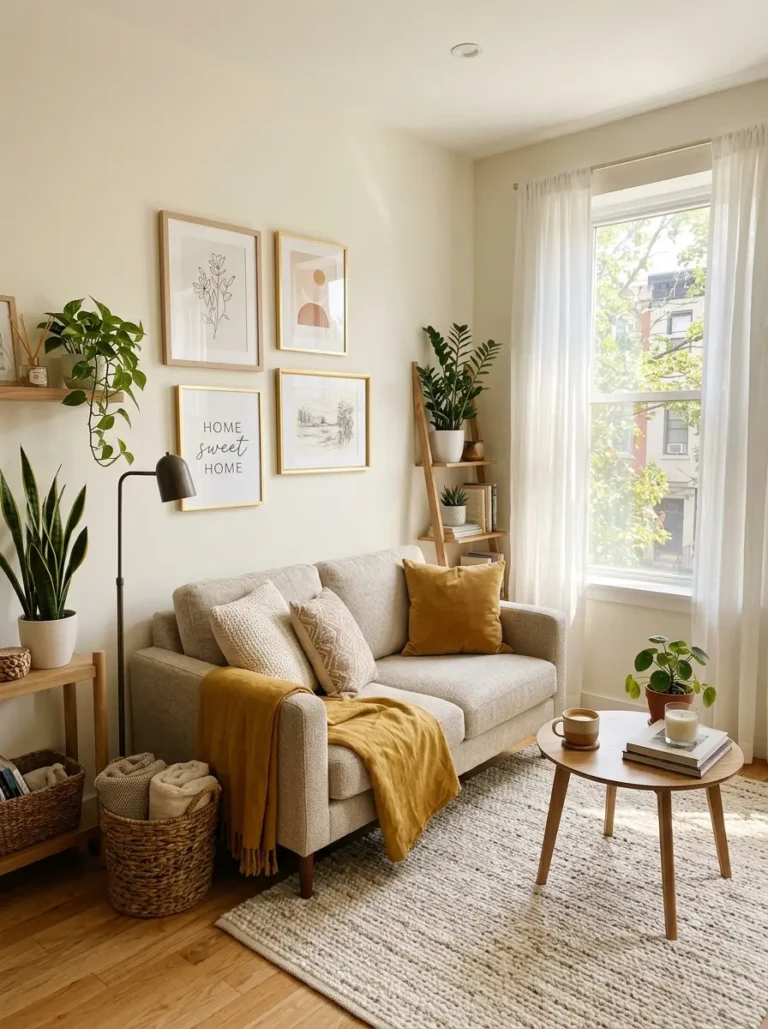
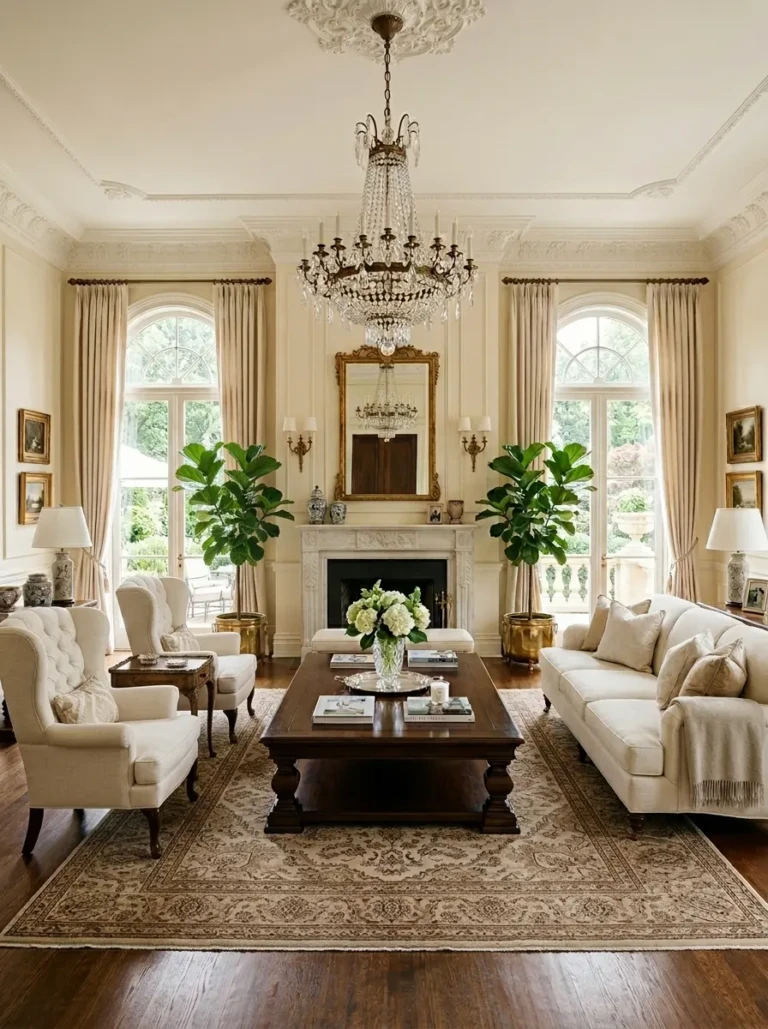
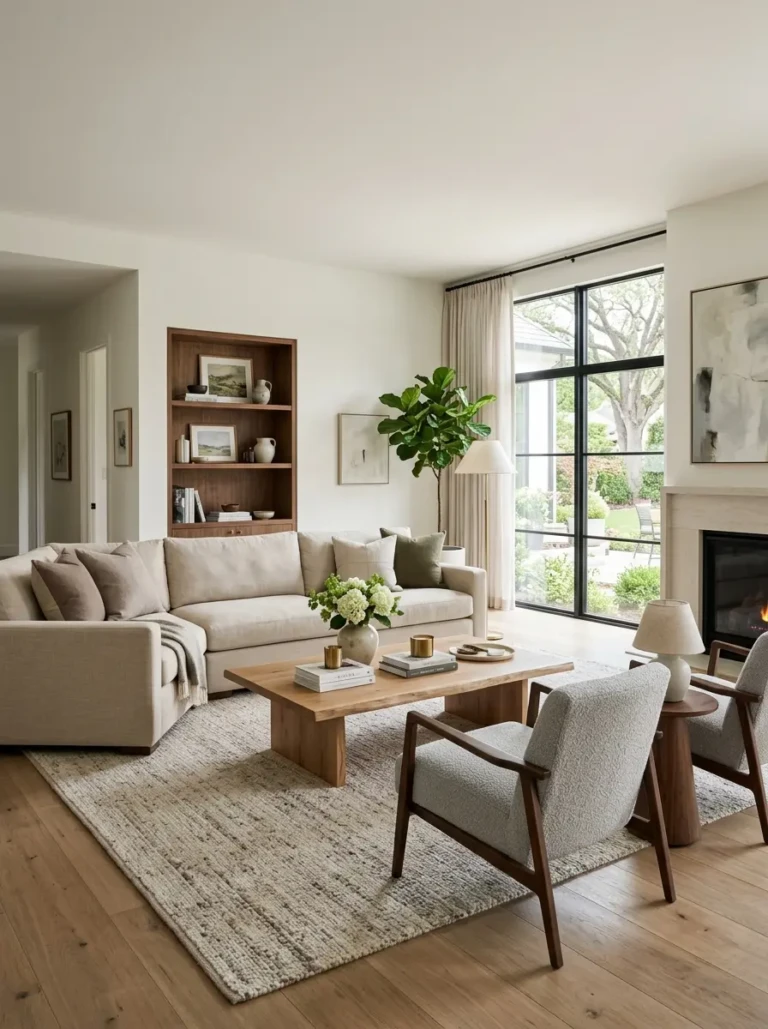
The living room is often the centerpiece of a minimalist home. The goal is to create a comfortable and inviting space without overcrowding it.
Start with a neutral sofa featuring simple lines. Pair it with a small coffee table made from natural wood, metal, or glass. Limit decorative accessories to a few meaningful items such as candles, ceramic vases, or textured cushions.
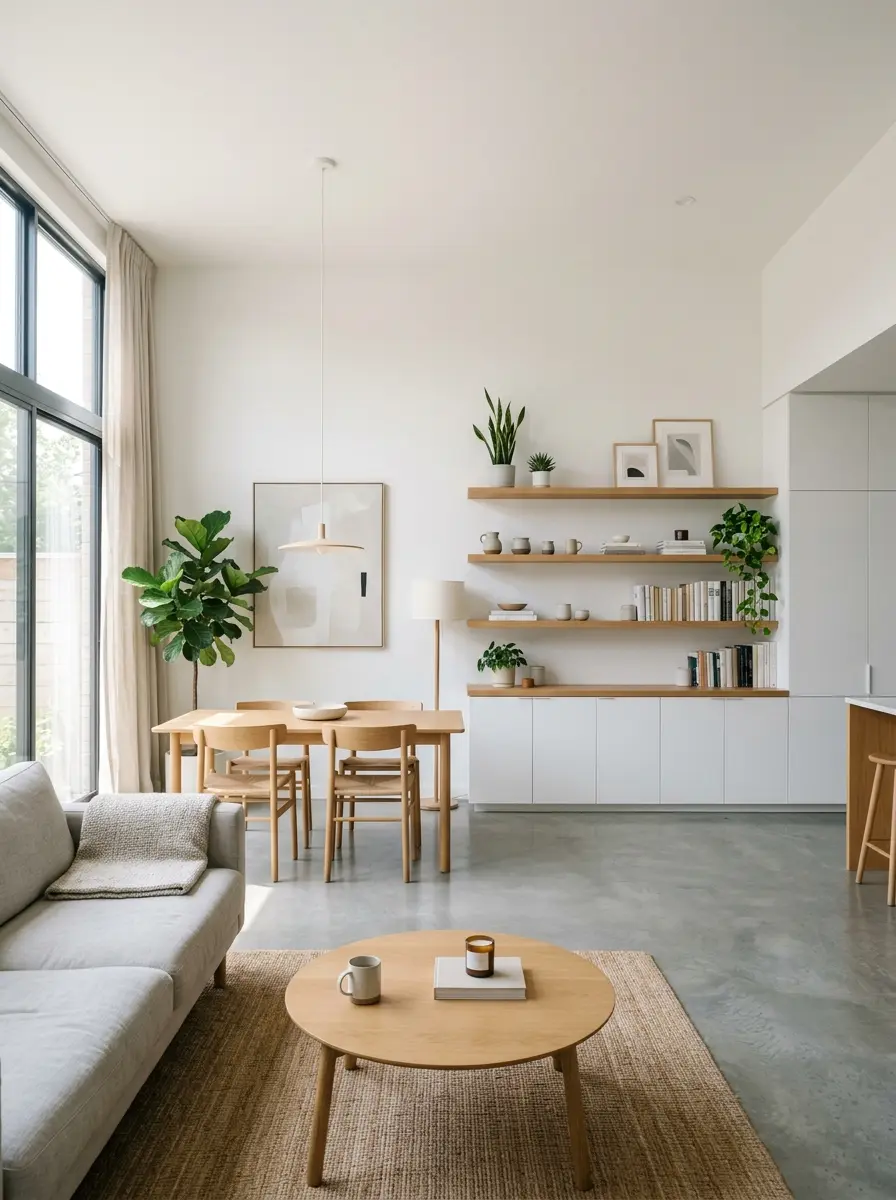
Storage solutions are essential in minimalist spaces. Hidden cabinets, floating shelves, and multifunctional furniture help maintain a clean appearance while keeping everyday essentials organized.
Natural light should also be maximized. Sheer curtains or simple blinds allow sunlight to brighten the room and enhance the open feel of the space.
Creating a Minimalist Bedroom
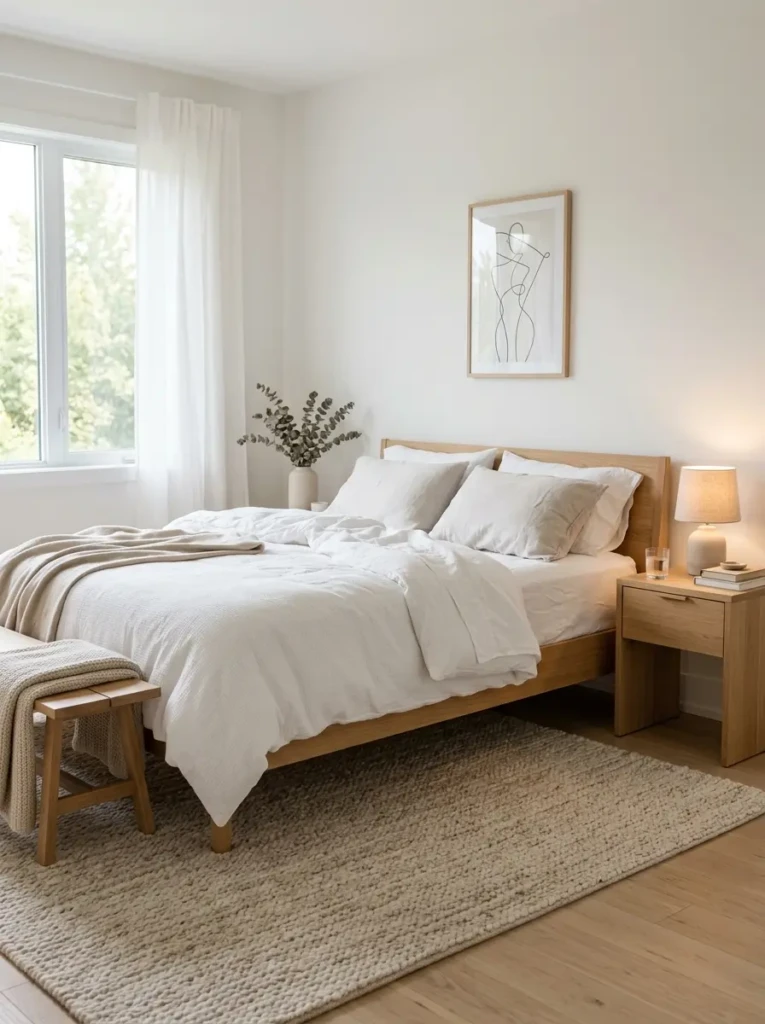
A minimalist bedroom should feel peaceful and uncluttered. The bed is typically the focal point, dressed in soft neutral bedding with minimal patterns.
Furniture should remain simple and functional. A small nightstand, sleek dresser, and soft lighting are often enough to complete the room. Avoid overcrowding the bedroom with excessive decor or bulky furniture.
Texture becomes especially important in minimalist spaces. Linen bedding, woven rugs, and wooden furniture add warmth and character without overwhelming the room visually.
Many designers recommend sticking to minimalist bedroom color palettes because they encourage rest and reduce visual stress. Soft earthy tones paired with natural materials create a cozy but clean aesthetic.
The Importance of Decluttering
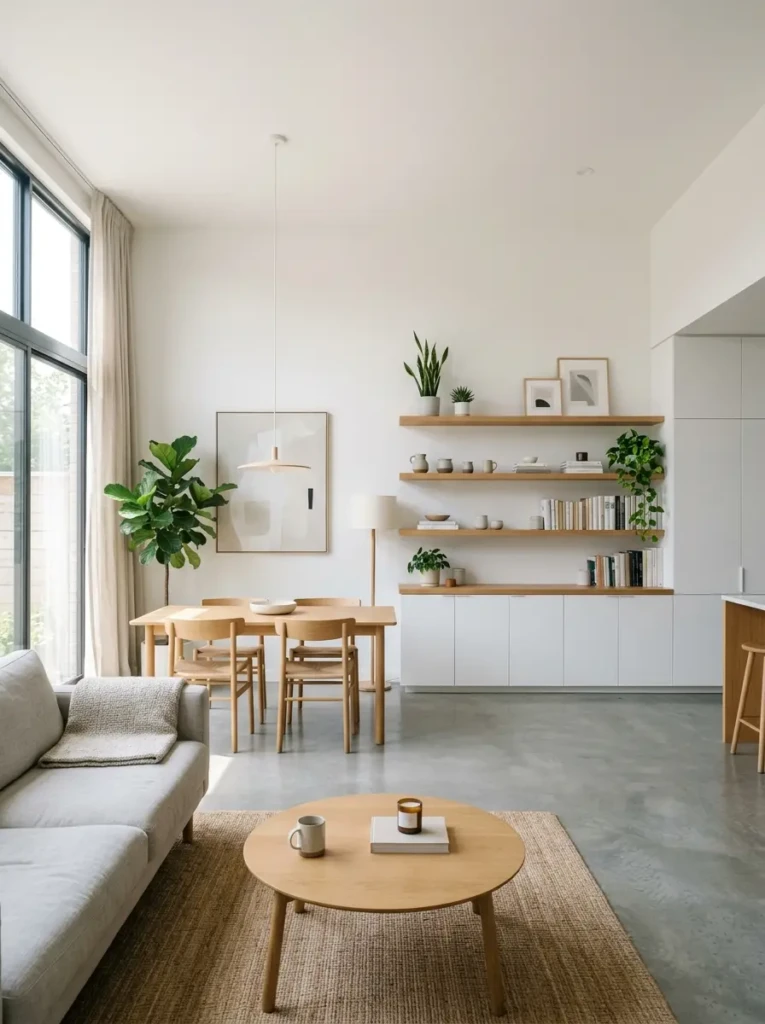
Decluttering is one of the most important aspects of minimalist living. A cluttered home can increase stress and make spaces feel chaotic.
Begin by evaluating each item in your home. Keep only what you truly use, need, or love. Donate or store items that no longer serve a purpose.
Organizing systems can help maintain a clutter-free environment. Drawer dividers, hidden baskets, and built-in shelves keep belongings tidy while preserving the clean minimalist aesthetic.
Decluttering should also become an ongoing habit rather than a one-time project. Regularly reassessing your belongings helps maintain balance and simplicity throughout the home.
Minimalist Kitchen Essentials
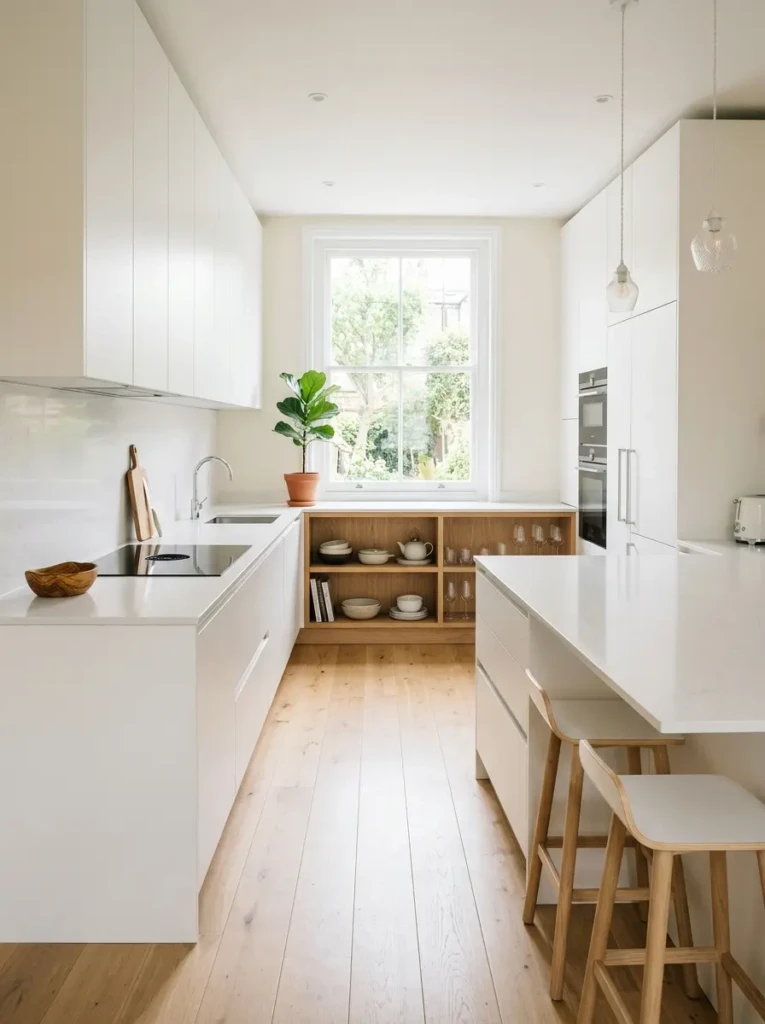
Minimalist kitchens focus on efficiency and cleanliness. Countertops remain mostly clear, with only essential appliances visible.
Cabinet designs are typically sleek and simple, often featuring flat panels and hidden handles. Neutral tones such as white, matte black, or light wood create a modern and timeless appearance.
Open shelving can work beautifully in minimalist kitchens when styled carefully. Limit displayed items to a few matching dishes, glassware, or natural wood accents to maintain a cohesive look.
Functional organization is also important. Drawer organizers, pantry containers, and concealed storage help keep the kitchen neat and visually calm.
Using Minimalist Wall Decor Effectively
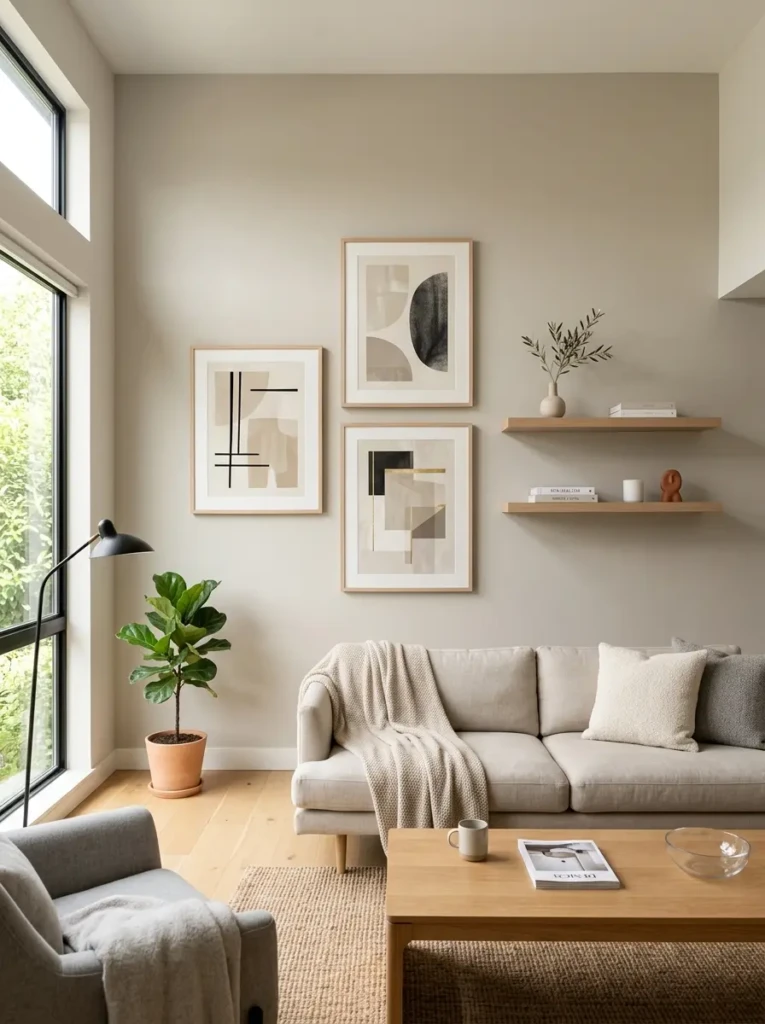
Walls in minimalist homes should never feel overcrowded. Instead of filling every surface with artwork or decorations, focus on a few carefully chosen pieces.
Minimalist wall decor often includes simple framed prints, abstract art, mirrors, or textured wall hangings in neutral colors. Large-scale artwork can make a statement while maintaining a clean appearance.
Floating shelves with limited decorative items can also enhance minimalist spaces without creating clutter. The key is balance and restraint.
Negative space is equally important in minimalist design. Leaving some walls empty allows the room to feel open and visually relaxing.
Natural Materials in Minimalist Design
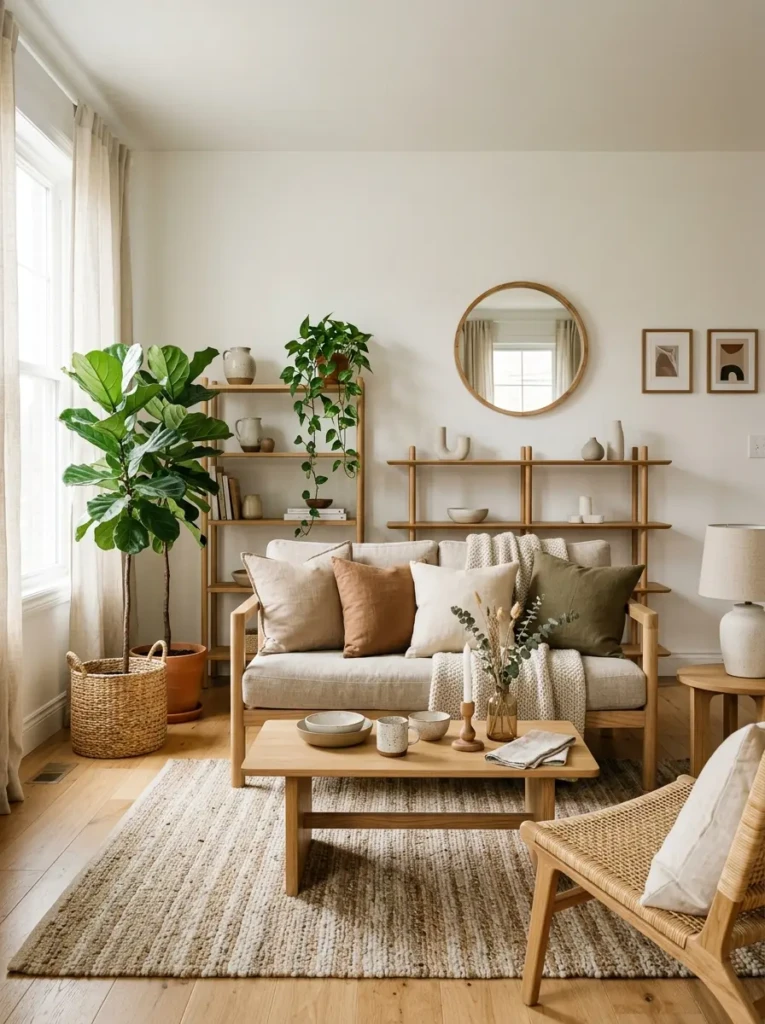
Natural materials help soften minimalist interiors and prevent them from feeling cold or sterile. Wood, linen, cotton, stone, and ceramic elements add warmth and texture to simple spaces.
Light oak furniture, woven baskets, and stone countertops create visual interest while maintaining a calm and natural atmosphere.
Plants are another excellent addition to minimalist homes. A few well-placed indoor plants bring life and freshness into the space without overwhelming the design.
Natural materials also support sustainability, which aligns closely with minimalist values of intentional consumption and mindful living.
Minimalist Bathroom Ideas
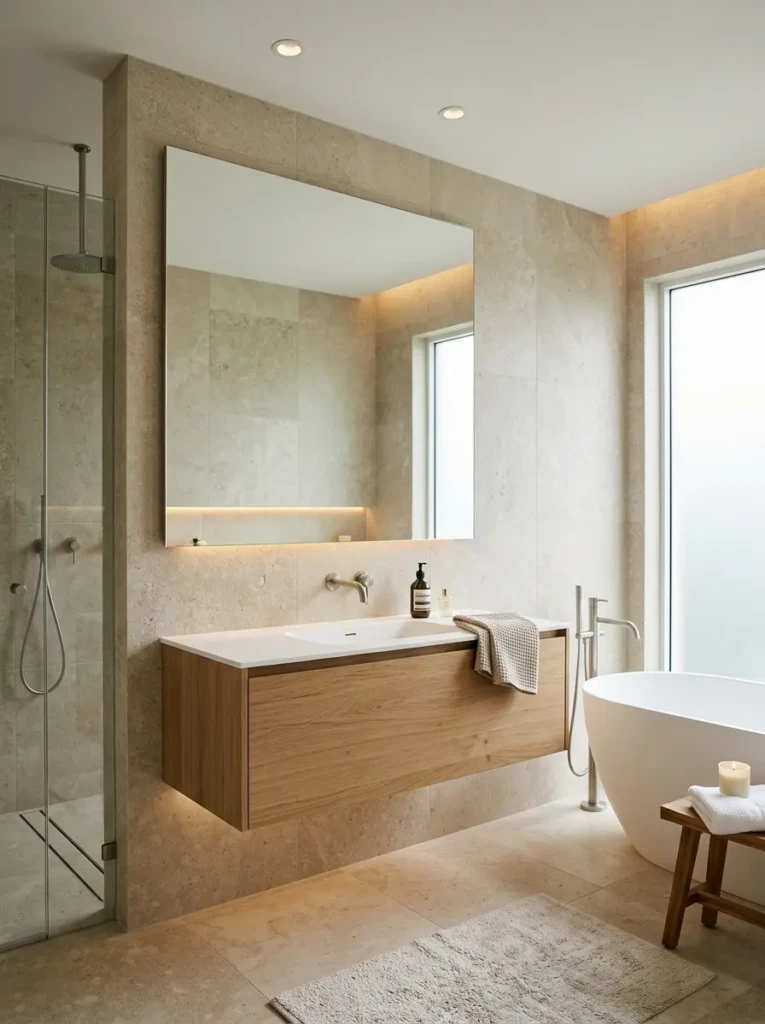
Minimalist bathrooms prioritize simplicity, cleanliness, and functionality. Neutral tiles, floating vanities, and frameless mirrors create a sleek and modern appearance.
Storage should remain discreet. Hidden cabinets and organized drawers help maintain a clutter-free environment.
Decor should stay minimal. Rolled white towels, a small plant, or a simple candle are often enough to create a spa-like atmosphere.
Lighting also matters in minimalist bathrooms. Soft lighting combined with natural textures can transform the room into a relaxing retreat.
Seasonal Decorating the Minimalist Way
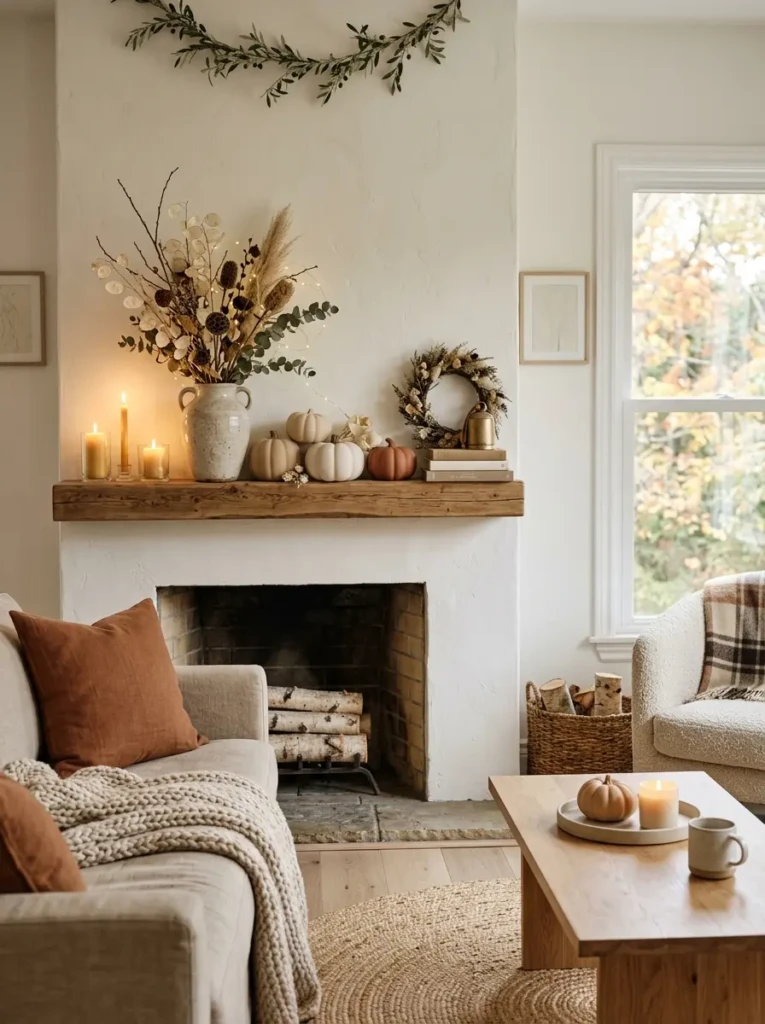
Many people assume minimalist homes cannot feel festive or seasonal, but that is not true. Minimalist seasonal decor focuses on subtle and intentional accents rather than excessive decorations.
During autumn, for example, a few neutral pumpkins, dried branches, or warm-toned candles can create a cozy atmosphere. In winter, soft blankets, greenery, and simple white lights add warmth without cluttering the space.
Minimalist seasonal decorating emphasizes quality over quantity. Instead of storing dozens of decorations, choose versatile items that complement your existing decor.
This approach makes seasonal transitions easier and keeps the home feeling calm throughout the year.
Minimalist Home Office Design
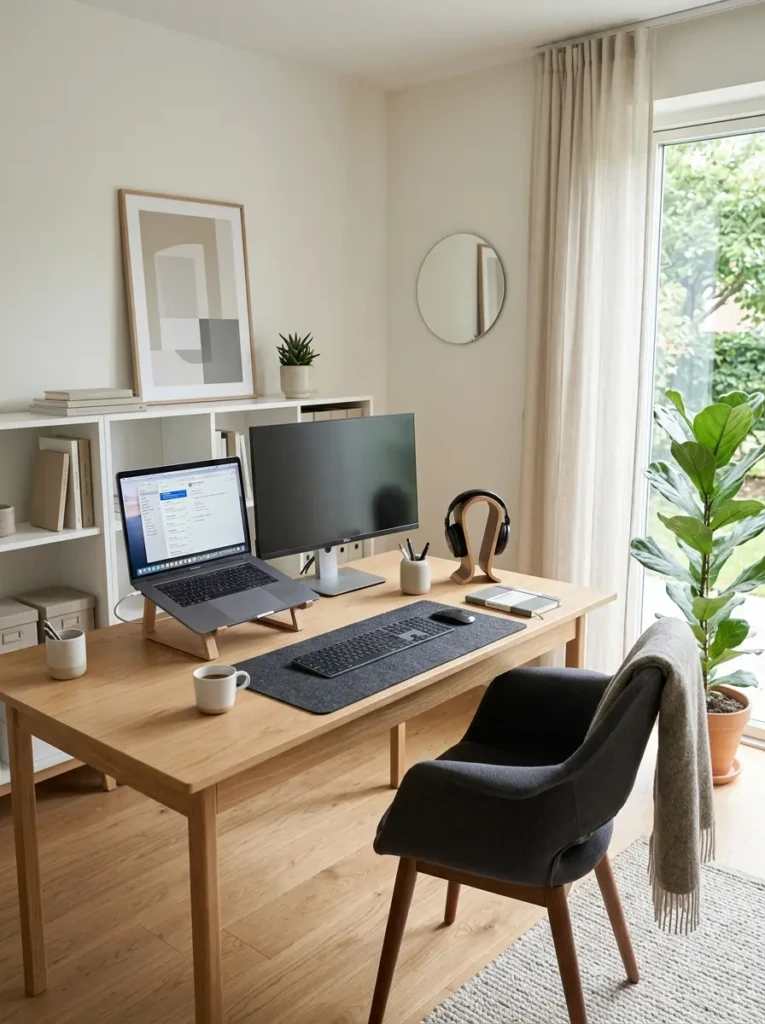
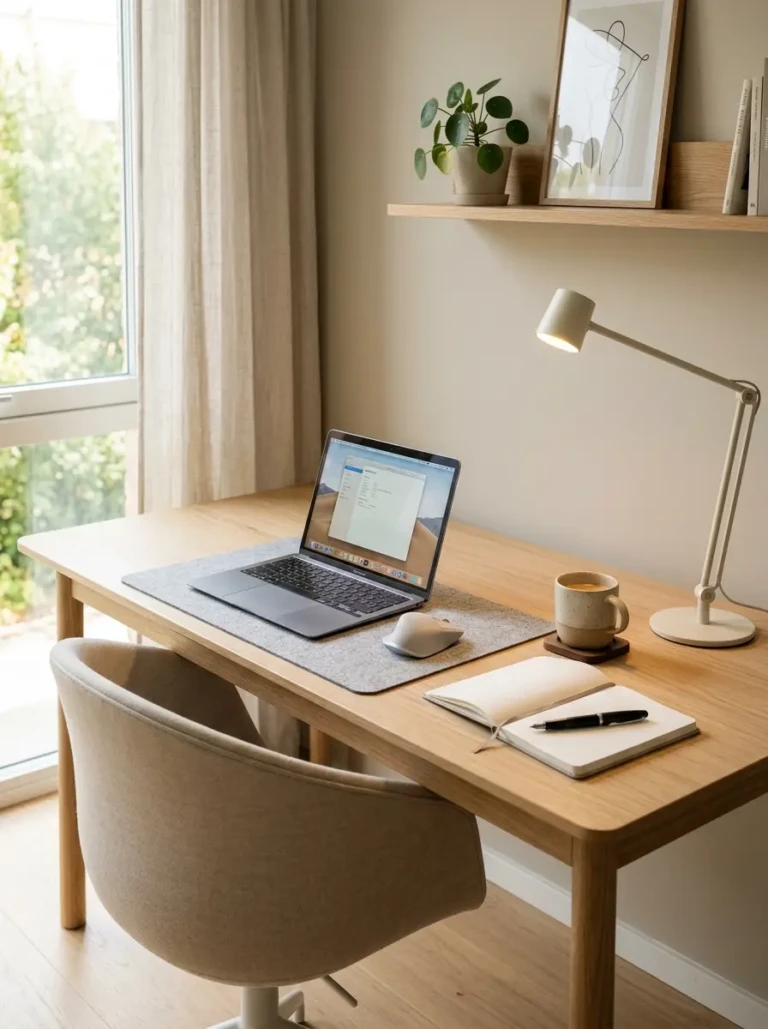
A minimalist home office can improve productivity and focus. Clean desks, organized storage, and simple furniture help eliminate distractions.
Choose a desk with clean lines and enough storage for essentials. Keep only necessary items on the surface, such as a laptop, notebook, or desk lamp.
Neutral colors and natural lighting create a calm working environment. Small decorative touches such as a plant or framed print can personalize the space without adding clutter.
Cable management is also important in minimalist offices. Concealing wires and electronic accessories helps maintain a clean and organized appearance.
Minimalist Dining Spaces
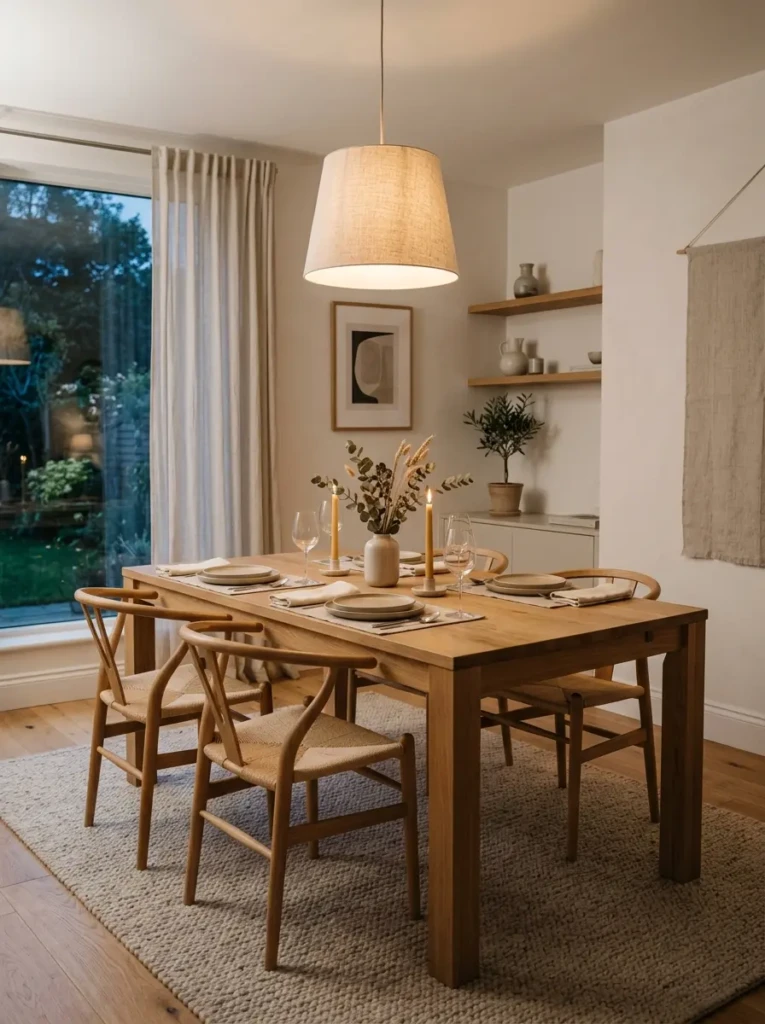
Minimalist dining rooms focus on connection and simplicity. A clean dining table, comfortable seating, and subtle lighting create an inviting atmosphere.
Avoid excessive centerpieces or decorative accessories. A single vase with fresh flowers or a simple ceramic bowl is often enough.
Neutral tableware and natural materials work particularly well in minimalist dining areas. Linen napkins, wooden serving boards, and stoneware dishes add warmth while maintaining elegance.
Lighting should feel soft and welcoming. Pendant lights with simple designs often complement minimalist interiors beautifully.
Minimalism for Small Homes
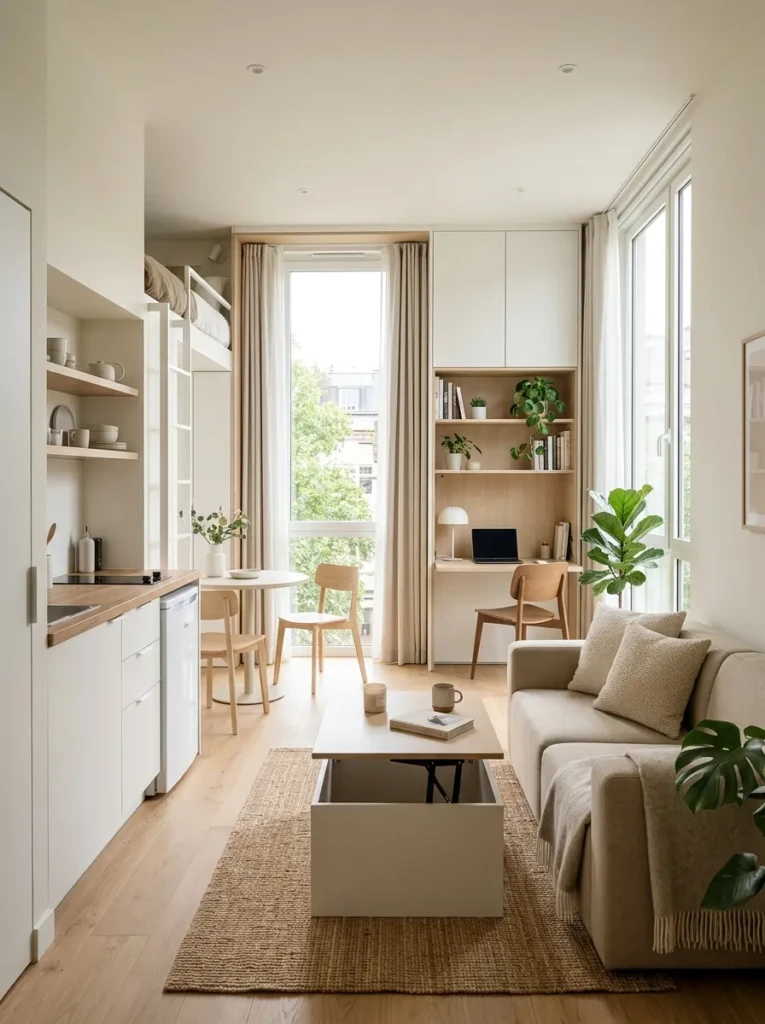
Minimalism is especially effective in small homes and apartments. Reducing clutter makes limited spaces feel larger and more functional.
Multifunctional furniture is essential in compact minimalist homes. Storage beds, foldable tables, and modular seating maximize space without sacrificing style.
Mirrors and natural light can also make small rooms appear more open. Keeping color palettes light and consistent helps create visual continuity throughout the home.
Minimalist living encourages intentional purchasing, which prevents small spaces from becoming overcrowded with unnecessary items.
Minimalist Wedding Inspiration for Home Styling
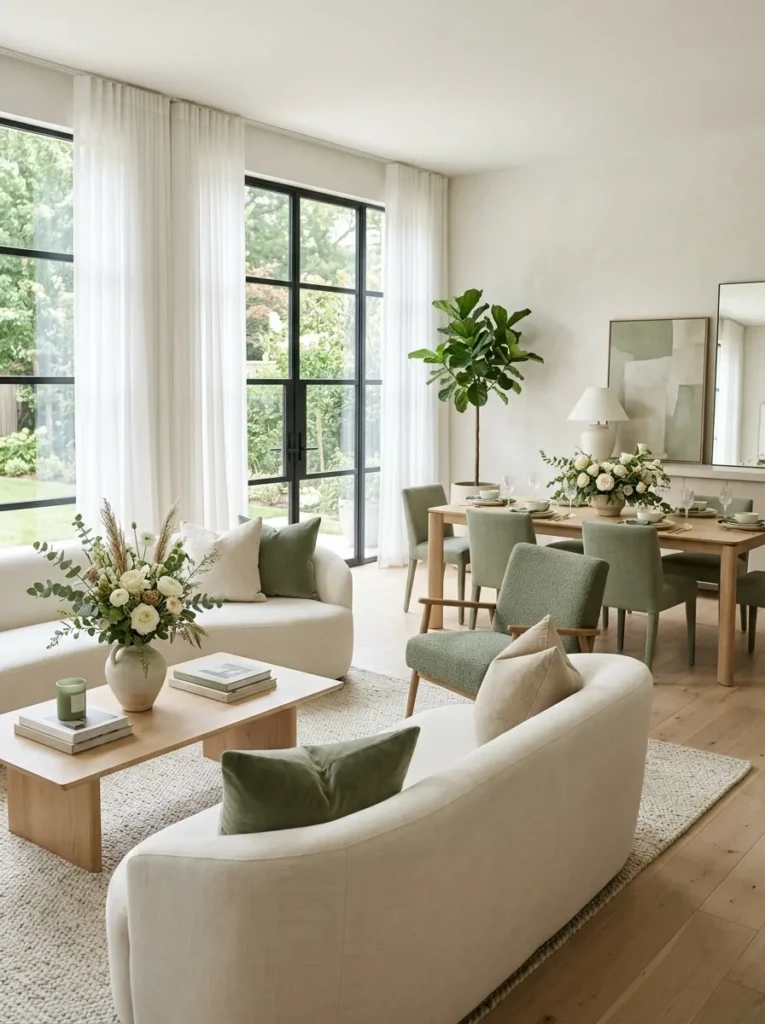
Interestingly, interior design trends often overlap with event styling. Many homeowners draw inspiration from minimalist wedding theme color palettes when decorating their spaces.
Soft ivory, muted beige, sage green, and warm gray combinations create elegant and timeless interiors similar to modern minimalist weddings.
These subtle color schemes work beautifully in living rooms, bedrooms, and dining areas because they create harmony and visual calmness.
Incorporating delicate textures, natural flowers, and understated elegance can bring a refined minimalist aesthetic into the home.
Benefits of Minimalist Living
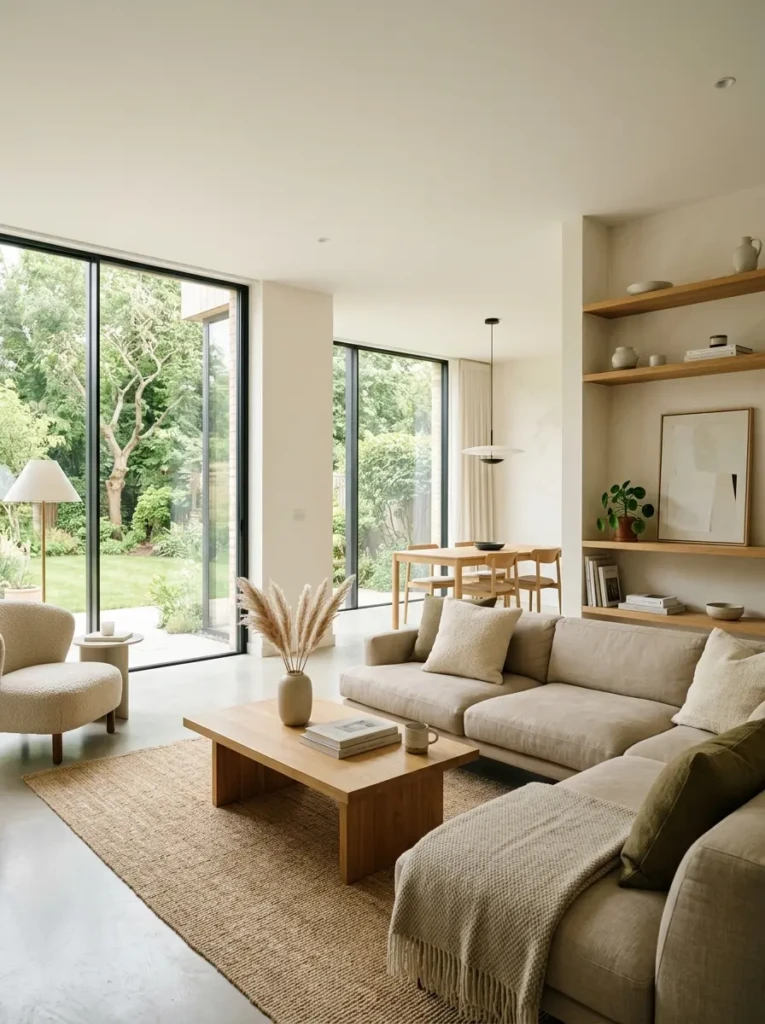
Living in a minimalist home offers many emotional and practical benefits. A clutter-free environment can reduce stress and improve focus.
Minimalist homes are also easier to clean and maintain. Fewer possessions mean less time spent organizing and managing household items.
Financially, minimalism encourages mindful spending. Instead of constantly purchasing trendy decor, homeowners invest in timeless and durable pieces.
Minimalism can also improve mental clarity. Organized and peaceful surroundings often lead to a calmer mindset and greater overall well-being.
Common Mistakes in Minimalist Design
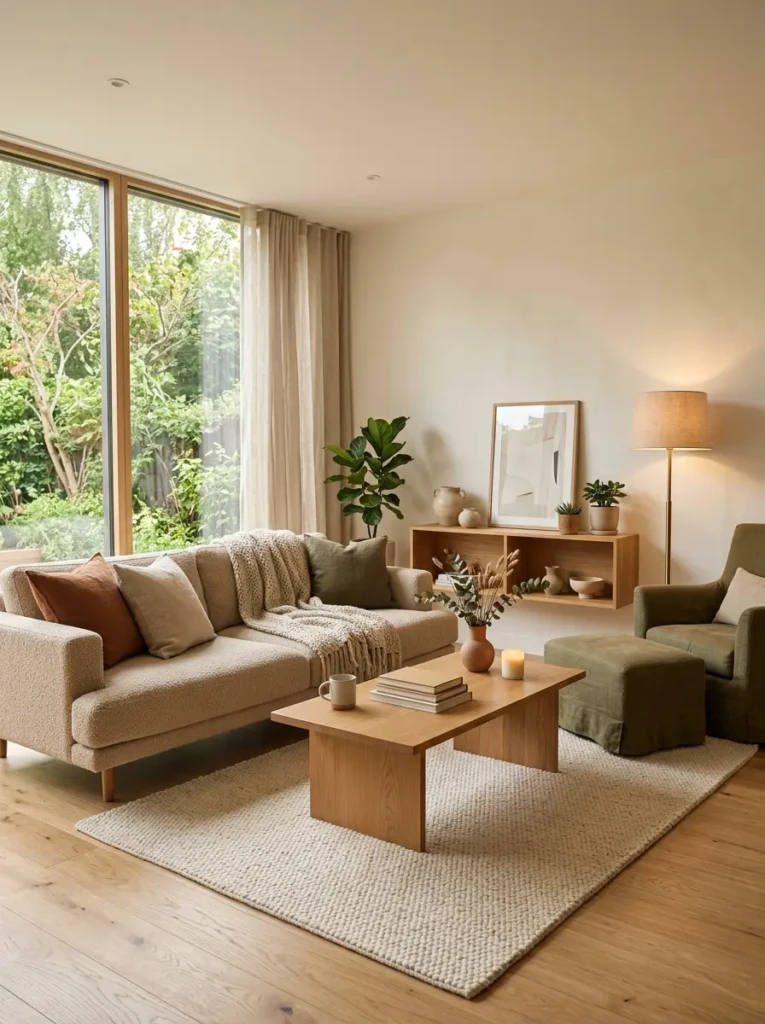
One common mistake is making minimalist spaces feel cold or empty. Minimalism should still feel warm and inviting. Adding texture, natural materials, and soft lighting helps create balance.
Another mistake is prioritizing aesthetics over functionality. A minimalist home should support daily life, not feel impractical or uncomfortable.
Over-purging can also become a problem. Minimalism does not mean living without personality or meaningful belongings. Instead, it focuses on intentional choices and thoughtful design.
Finally, avoid copying trends blindly. A successful minimalist home reflects your personal lifestyle and preferences while maintaining simplicity.
Conclusion
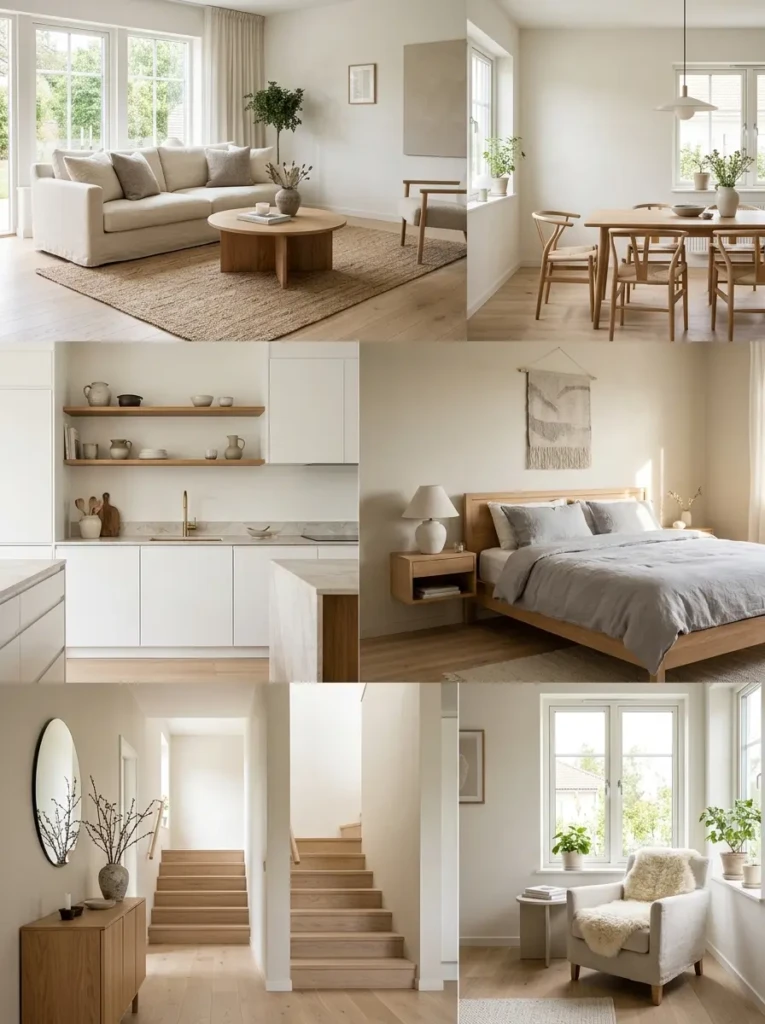
A minimalist home creates a peaceful and intentional living environment that supports both beauty and functionality. Through clean layouts, neutral colors, purposeful furniture, and thoughtful decor choices, minimalism transforms ordinary spaces into calming retreats.
From minimalist wall decor to minimalist seasonal decorating, every detail contributes to a balanced and clutter-free atmosphere. Whether you are redesigning a single room or embracing an entirely minimalist lifestyle, simplicity can help create a home that feels timeless, organized, and deeply comforting.
By focusing on quality, functionality, and mindful living, minimalist design offers a practical and elegant approach to modern home life.