Formal Living Room Ideas: Timeless Ways to Create an Elegant Space
1) Start With a Balanced Layout
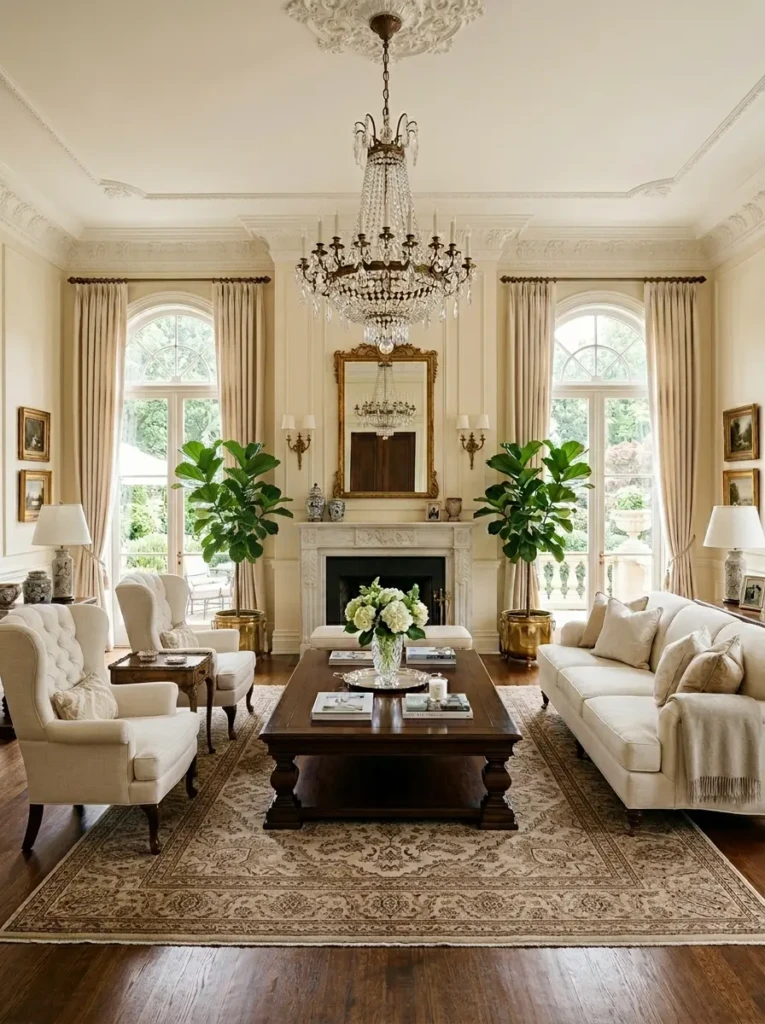
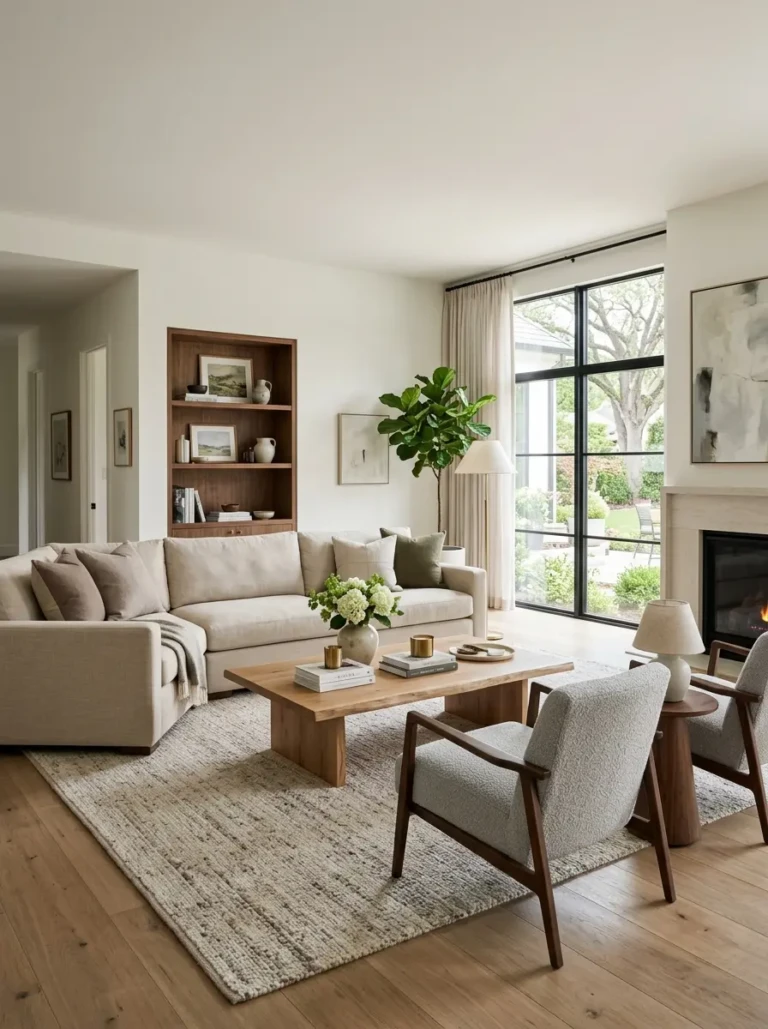
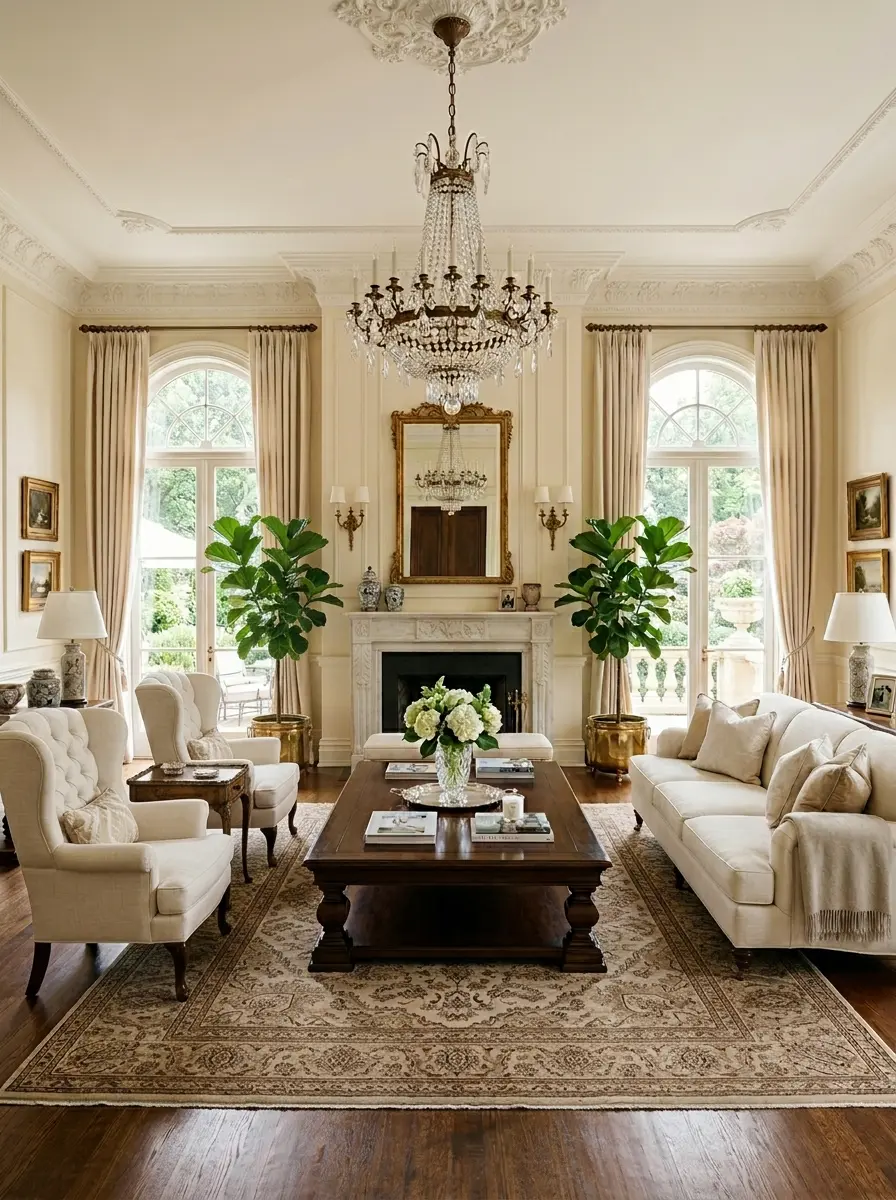
The foundation of great formal living room ideas begins with a balanced furniture layout. A formal room should feel intentional, symmetrical, and easy to navigate. Start by placing the main sofa as the anchor, then mirror it with matching armchairs or a second sofa opposite it. This classic arrangement creates a polished look that immediately feels sophisticated. Keep enough walking space between furniture pieces so the room feels open instead of crowded.
2) Choose a Refined Color Palette
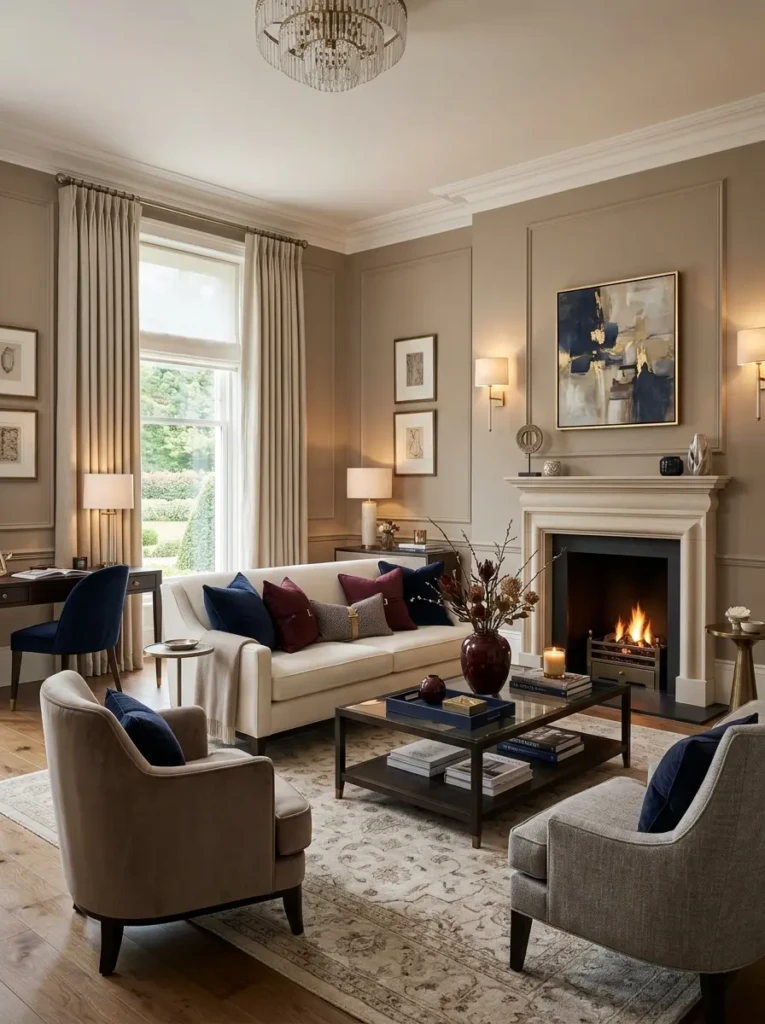
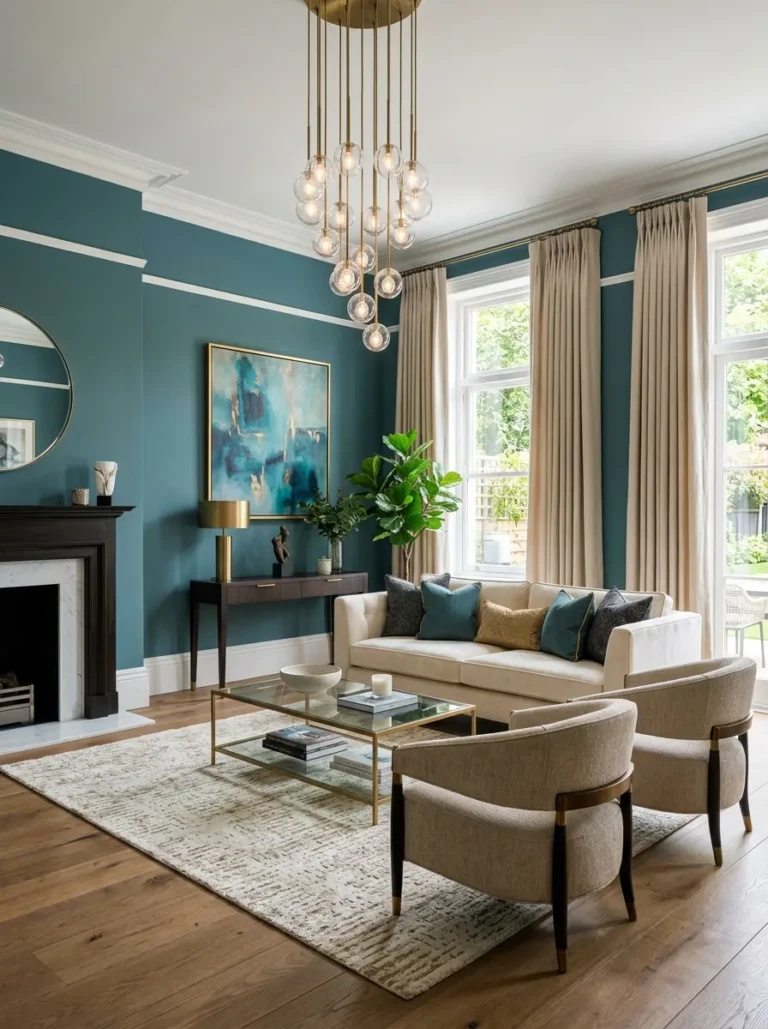
A carefully selected palette gives a formal living room its elegant atmosphere. Neutral tones such as ivory, beige, taupe, charcoal, and soft gray work beautifully because they create a calm and luxurious backdrop. You can layer in deeper shades like navy, emerald, or burgundy through accent pillows, curtains, or decorative pieces. The goal is to keep the colors cohesive and rich rather than overly bright.
3) Invest in Statement Seating
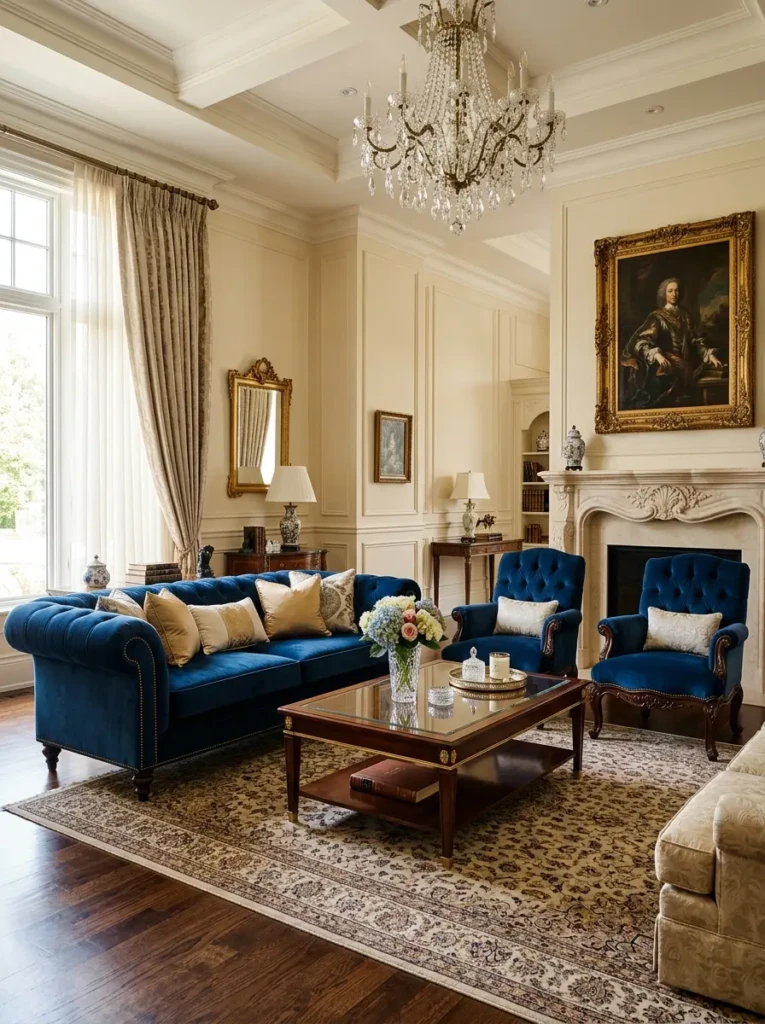
Seating is often the centerpiece of a formal space, so quality matters. Choose sofas and chairs with structured silhouettes, rolled arms, tufted backs, or carved wooden legs. Velvet, linen, leather, and other premium fabrics instantly elevate the room. Matching chairs placed opposite the sofa can reinforce the formal feel while making the room perfect for conversation and entertaining guests.
4) Use Symmetry for a Classic Look
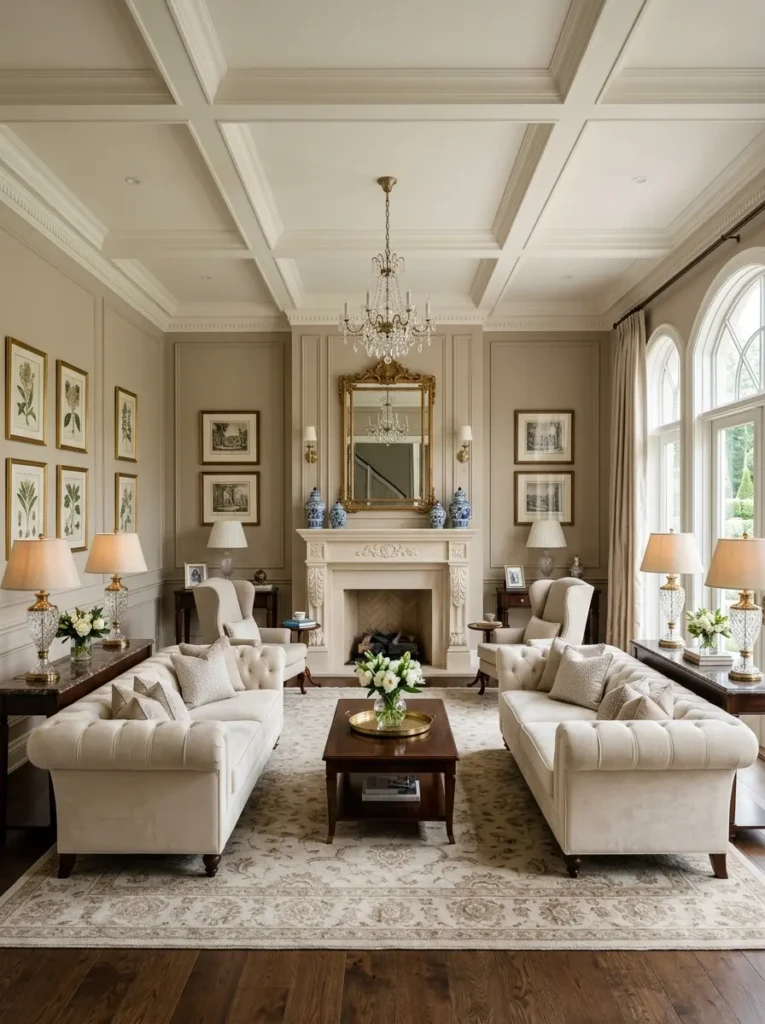
One of the easiest formal living room ideas to implement is symmetry. Place identical lamps on both ends of a console, use matching side tables, or hang a pair of artworks evenly spaced above a sofa. Symmetry creates visual order, which is one of the defining traits of traditional formal interiors. Even modern formal spaces benefit from this sense of balance.
5) Add an Elegant Coffee Table
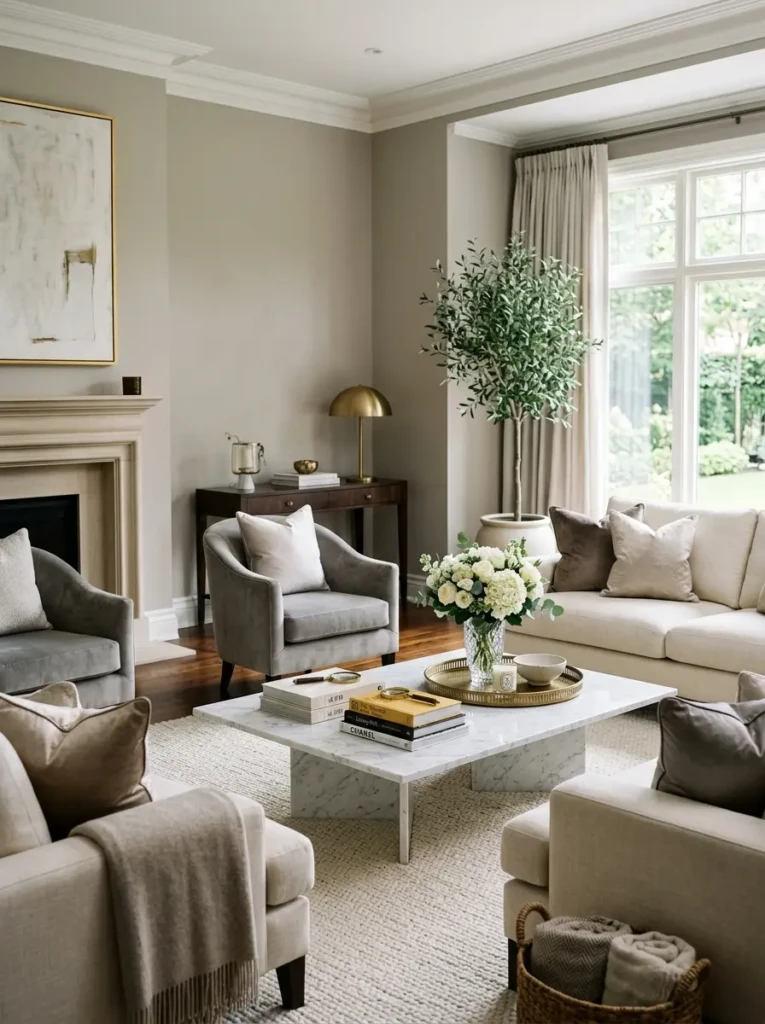
A well-chosen coffee table grounds the entire room. For a formal setting, opt for materials like marble, dark wood, glass, or brass. Rectangular and oval shapes often suit formal arrangements best. Style the tabletop with a few curated accessories such as stacked books, a floral arrangement, and a decorative tray to keep the surface neat and sophisticated.
6) Layer Lighting Thoughtfully
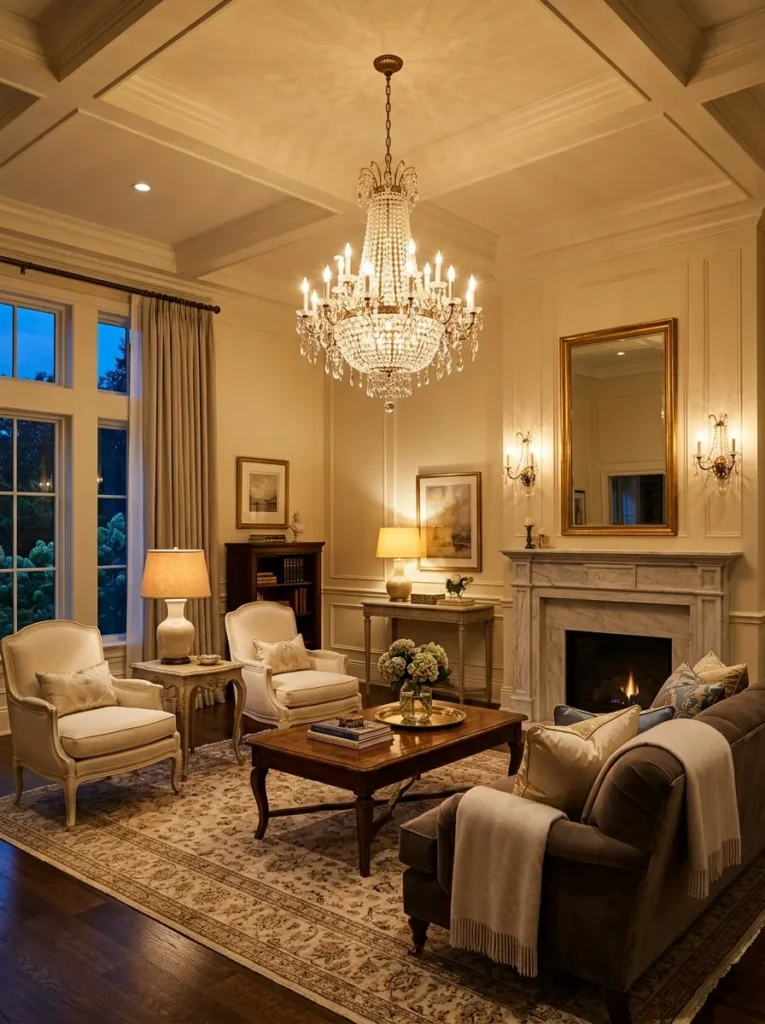
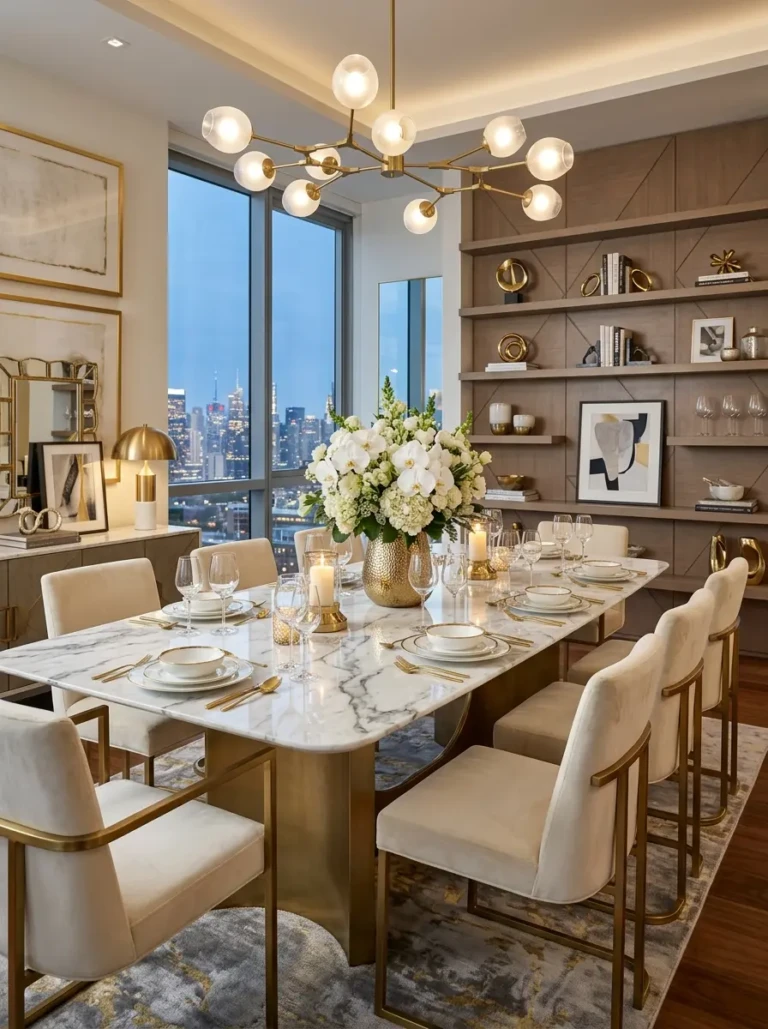
Lighting can transform the mood of a formal living room. Start with a statement chandelier or elegant pendant light as the main source. Then add layered lighting through wall sconces, table lamps, and floor lamps to create warmth. Soft lighting enhances textures, highlights furniture details, and makes the room feel welcoming while maintaining its upscale style.
7) Incorporate Luxurious Window Treatments
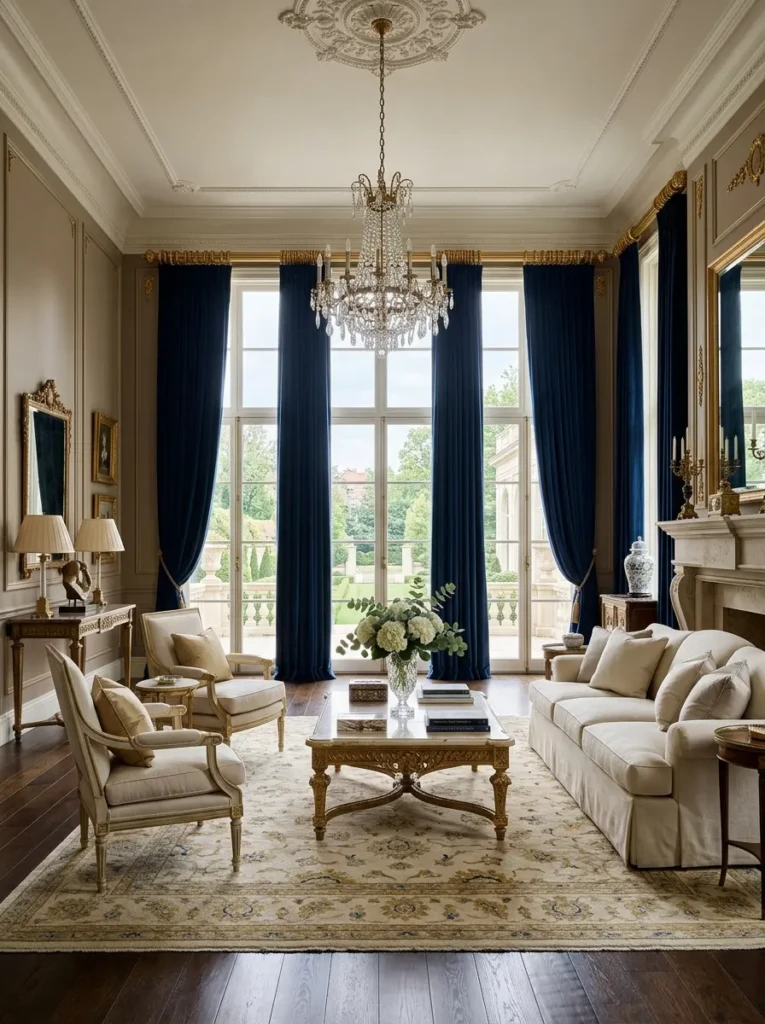
Floor-to-ceiling curtains instantly make a room feel taller and more refined. Choose fabrics like velvet, silk blends, or heavy linen for a tailored appearance. Neutral drapes with subtle texture work beautifully, while darker panels can add drama. Hanging curtains slightly above the window frame creates a grand, designer-inspired look that suits formal interiors perfectly.
8) Focus on a Beautiful Rug
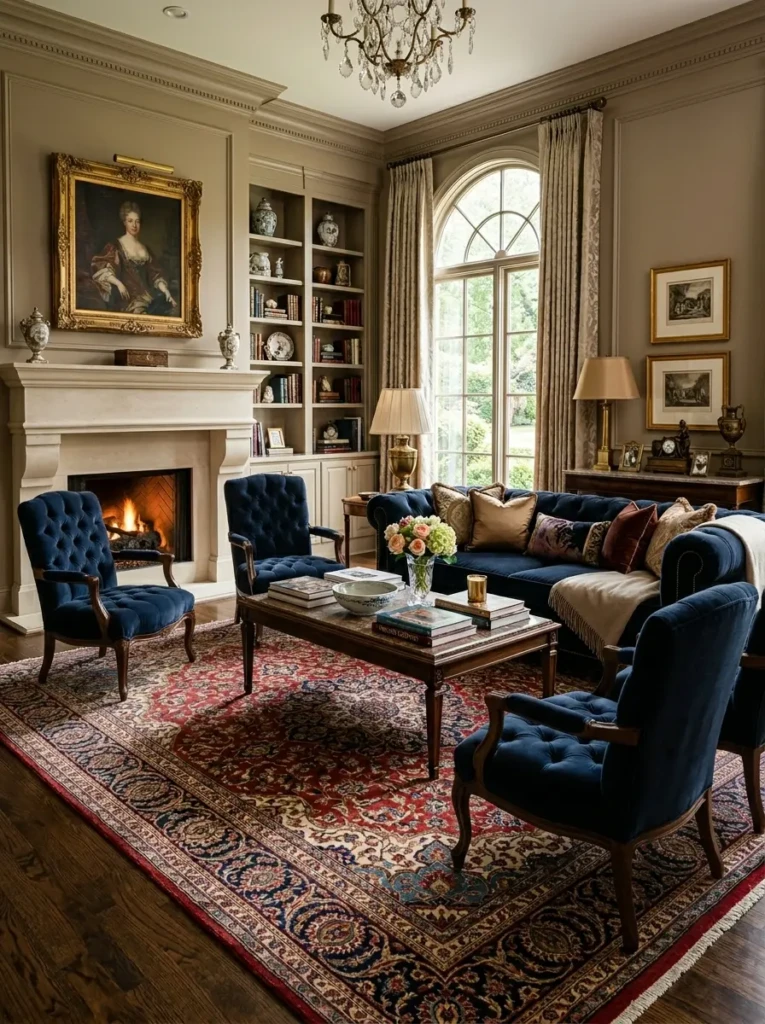
A large area rug helps define the seating arrangement and adds softness underfoot. Persian-inspired patterns, muted florals, and geometric wool rugs are all excellent choices for formal living room ideas. The rug should be large enough so at least the front legs of the main furniture pieces rest on it. This keeps the space cohesive and visually grounded.
9) Create a Sophisticated Fireplace Focal Point
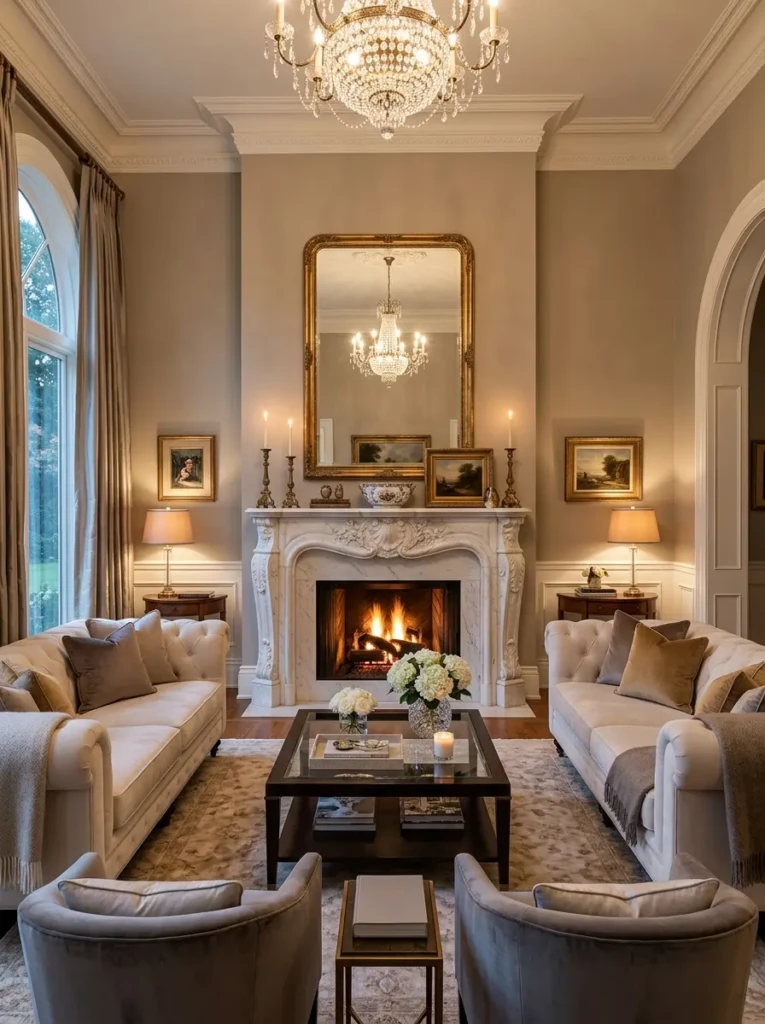
If your room includes a fireplace, make it the main focal point. A detailed mantel in stone, marble, or painted wood adds elegance instantly. Decorate the mantel with a mirror, framed art, or a pair of candle holders for symmetry. Even if you do not have a built-in fireplace, a decorative faux mantel can provide the same classic charm.
10) Use Artwork With Intention
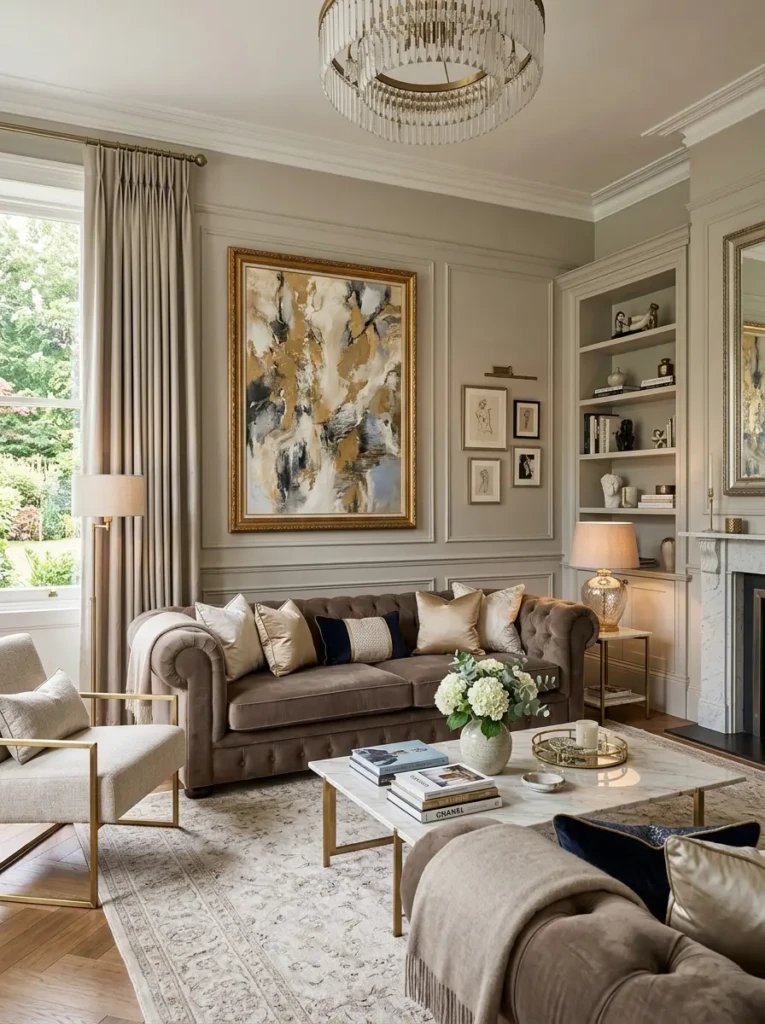
Art plays a major role in elevating a formal living room. Choose oversized paintings, black-and-white photography, or framed classical prints that complement the room’s palette. Instead of cluttering the walls with too many small items, focus on one or two statement pieces. This keeps the room looking curated and elegant rather than busy.
11) Bring in Rich Textures
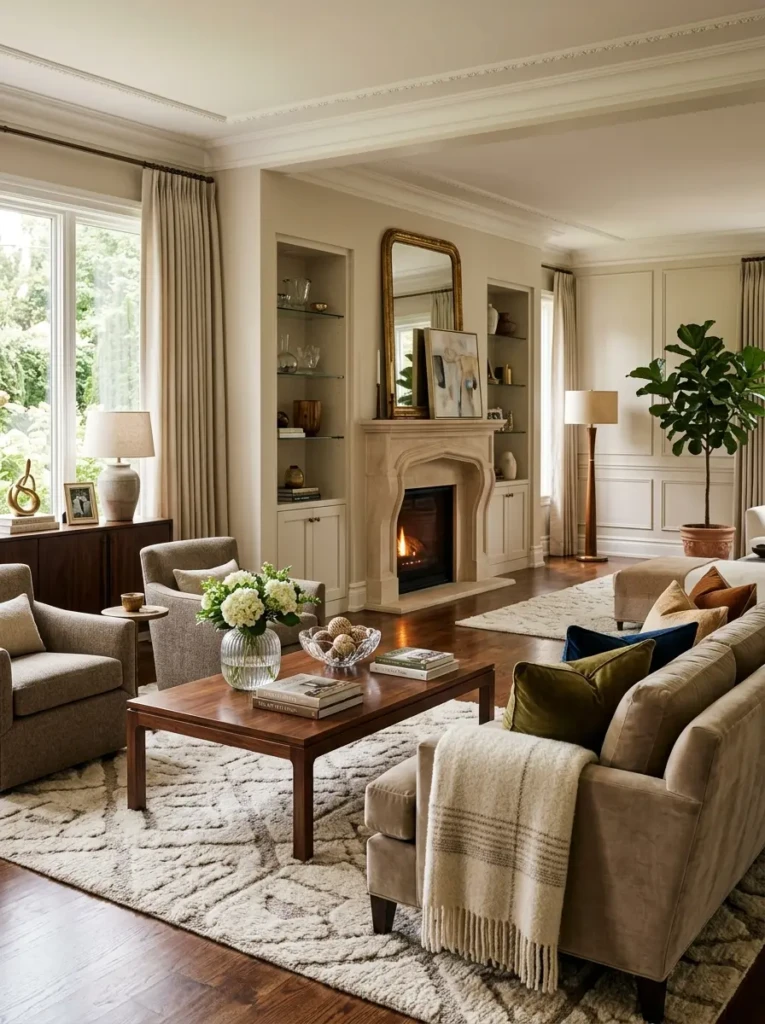
A formal room should feel layered and luxurious. Mix smooth materials like polished wood and glass with softer textures such as velvet pillows, woven throws, and upholstered ottomans. Texture adds depth even when the color palette remains neutral. This is especially important in monochromatic spaces where texture becomes the main source of visual interest.
12) Include Built-In Storage or Display Shelves
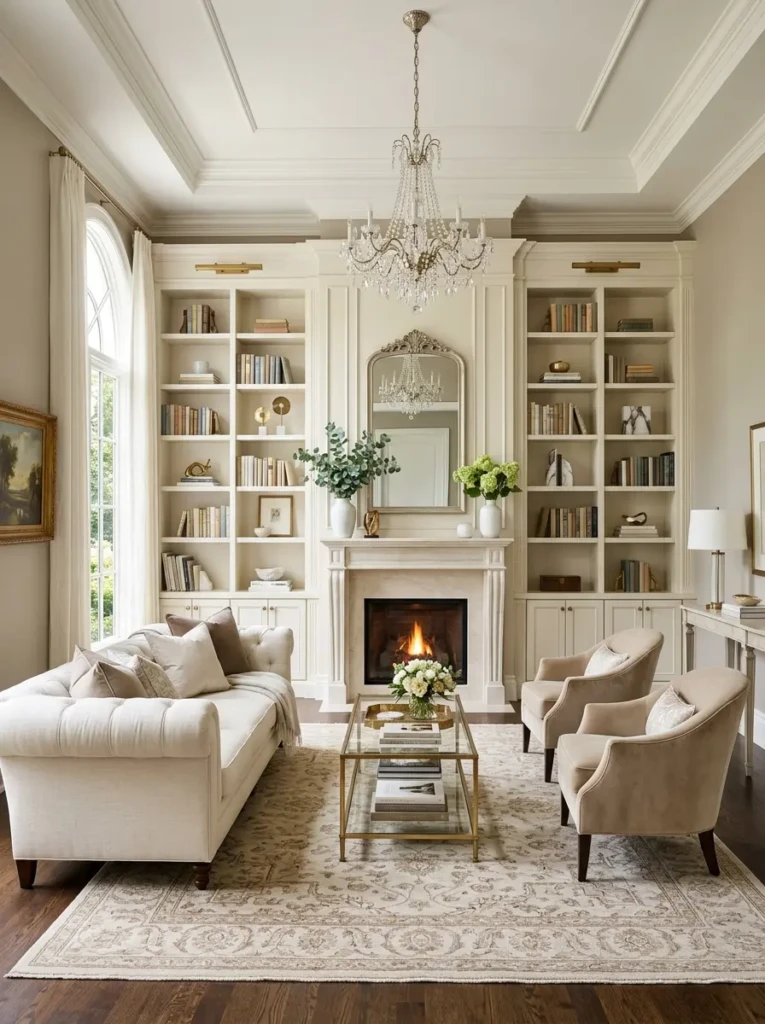
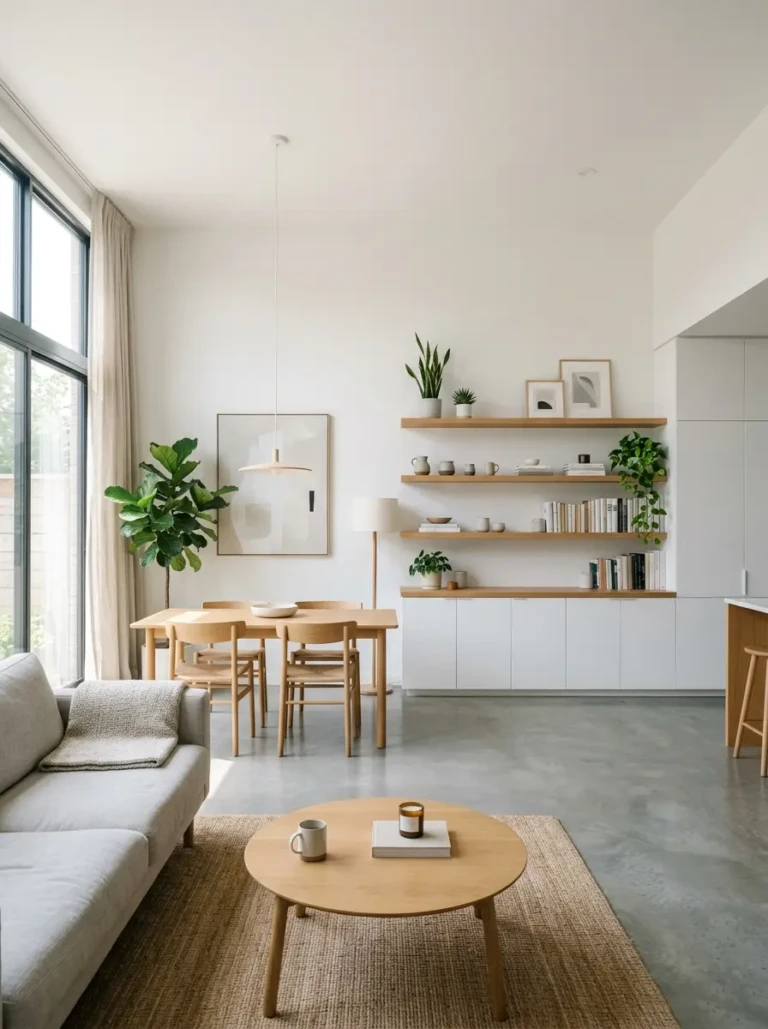
A formal space still needs practical storage, but it should be discreet and stylish. Built-in bookshelves, glass-front cabinets, or elegant consoles provide room for books, decor, and collectibles. Keep shelves neatly styled with a balance of books, vases, and sculptural objects. Avoid overcrowding to preserve the clean look associated with formal interiors.
13) Add Metallic Accents for Sophistication
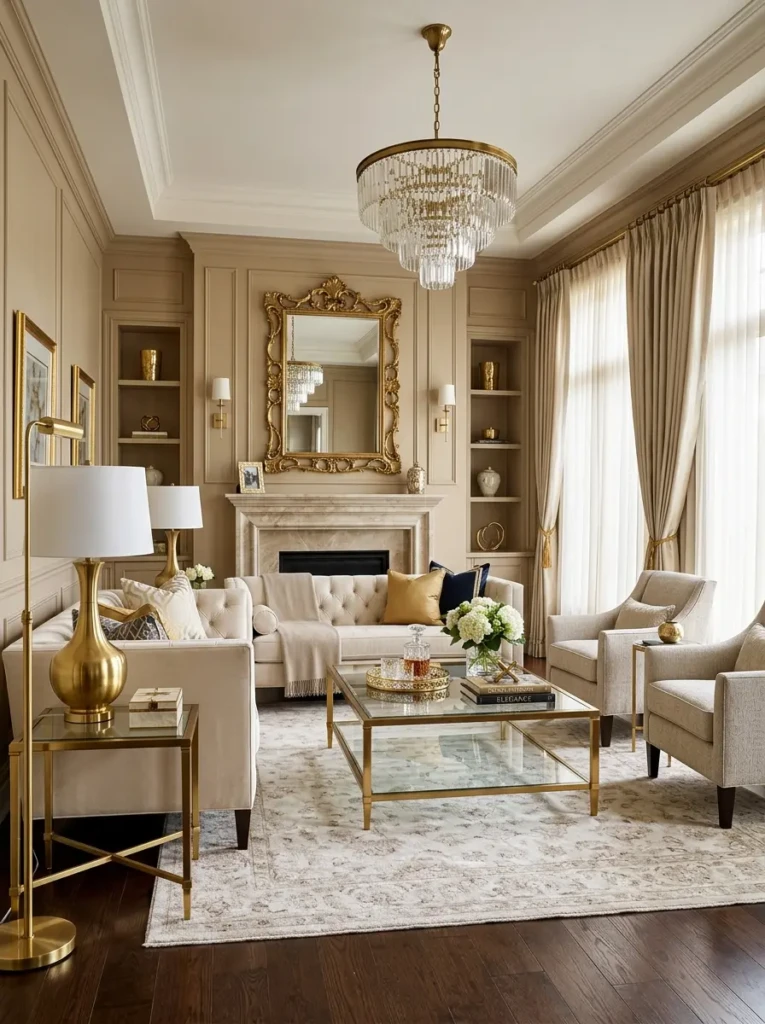
Touches of brass, gold, chrome, or antique silver can instantly elevate the room. Consider metallic-framed mirrors, lamp bases, coffee table legs, or decorative bowls. These accents reflect light and add a sense of understated luxury. The key is moderation—just enough shine to enhance the elegance without overpowering the room.
14) Introduce Fresh Florals and Greenery
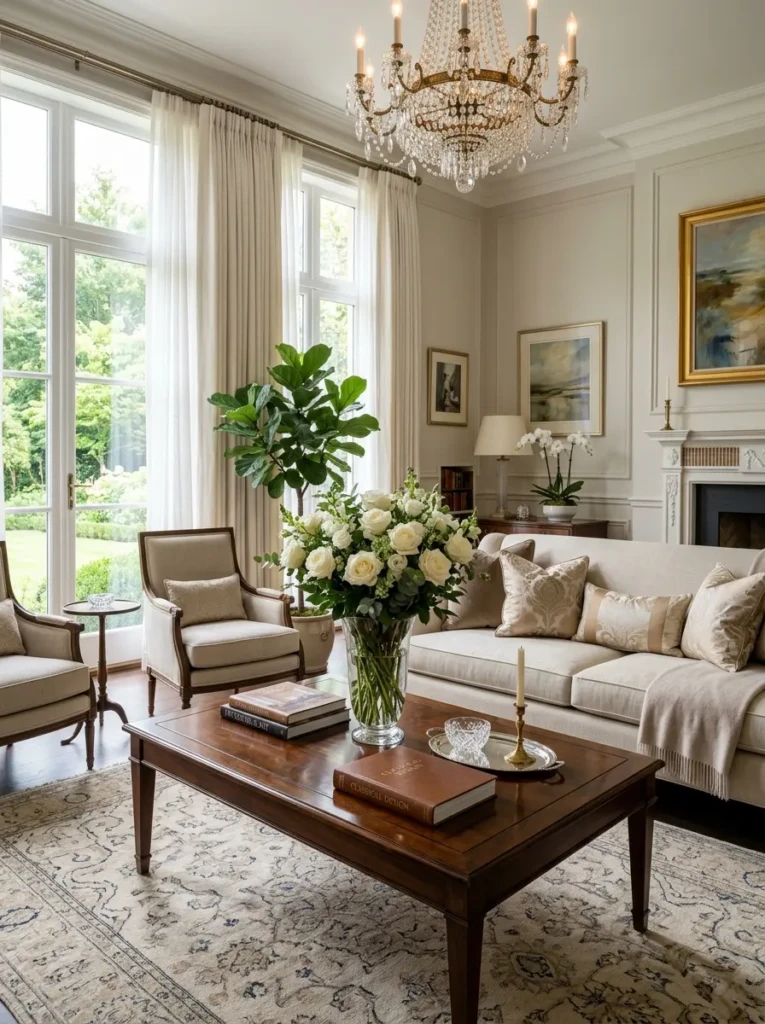
Fresh flowers are one of the most timeless formal living room ideas because they add life without disrupting the sophisticated style. A large vase of white roses, hydrangeas, or greenery on the coffee table makes the room feel polished and inviting. Keep arrangements simple and refined to match the formal tone of the space.
15) Keep Accessories Minimal but Intentional
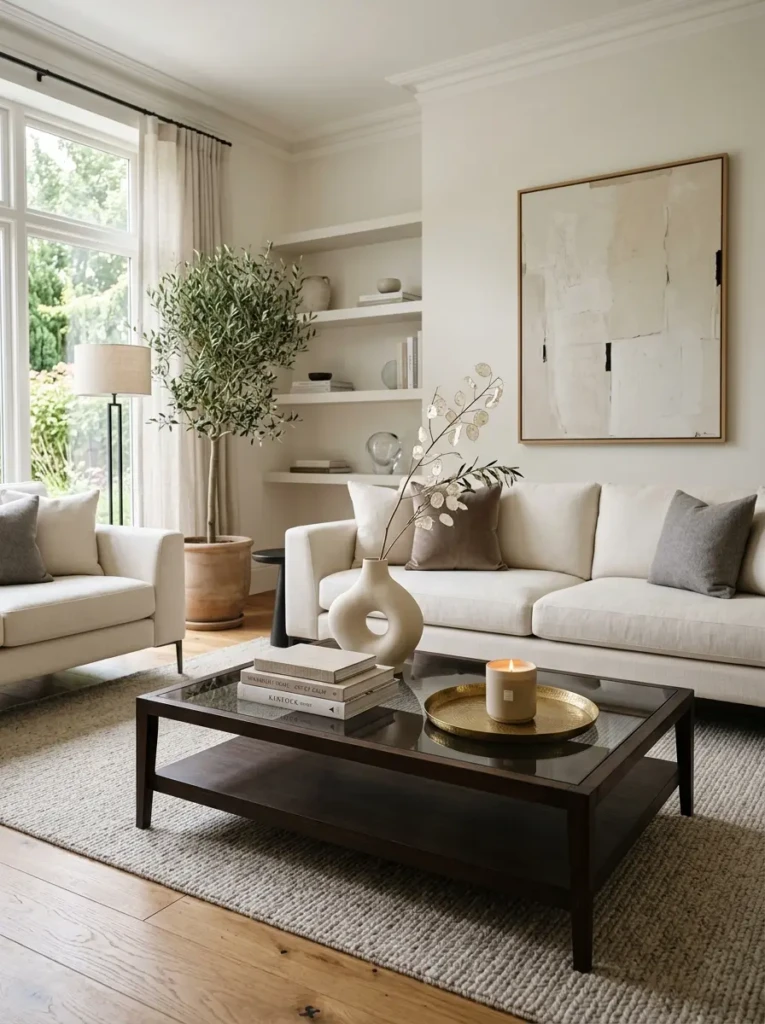
A formal living room should never feel cluttered. Instead of many small decorative pieces, focus on fewer, high-quality accents. A sculptural vase, a decorative tray, a stack of elegant books, and a candle can be enough. Every accessory should serve a purpose in reinforcing the room’s refined personality.
16) Blend Traditional and Modern Elements
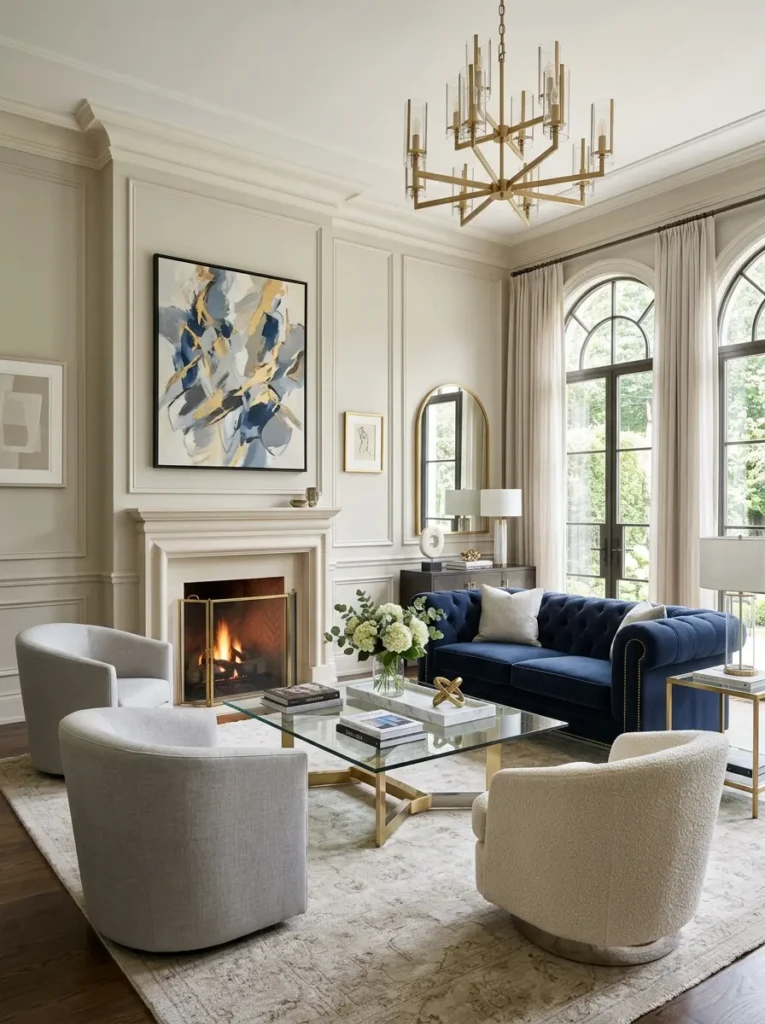
Modern formal spaces often combine classic furniture shapes with contemporary finishes. For example, pair a tufted sofa with sleek glass tables or traditional panel molding with modern abstract art. This mix keeps the room timeless rather than outdated. It also allows your formal space to feel fresh while maintaining elegance.
17) Define the Room With Architectural Details
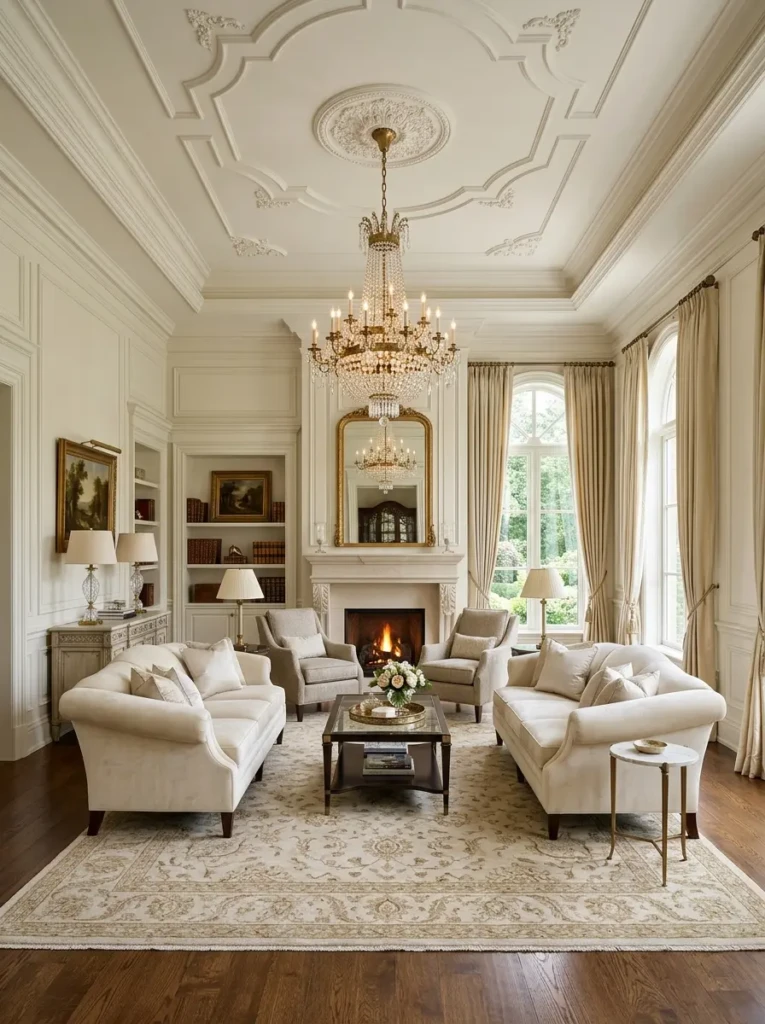
Architectural features instantly enhance formal interiors. Crown molding, wall paneling, ceiling medallions, and wainscoting all add depth and sophistication. Even simple trim upgrades can make the room feel more custom and upscale. These details work as the perfect backdrop for elegant furniture and carefully chosen decor.
18) Design for Conversation and Comfort
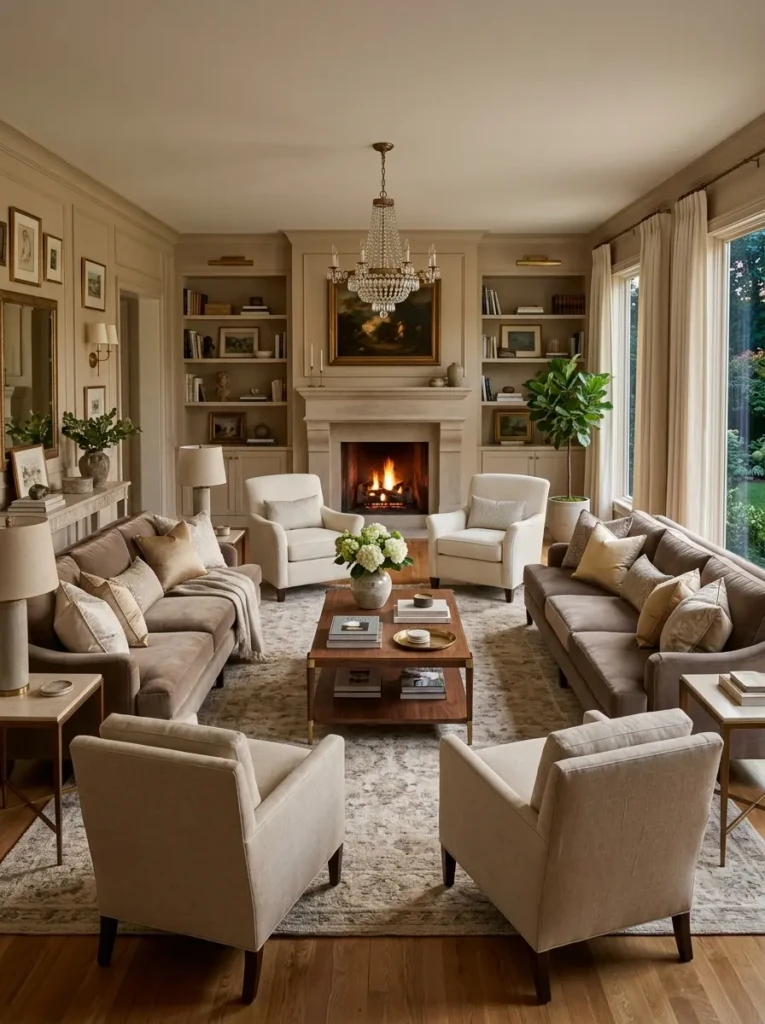
The best formal living room ideas combine beauty with usability. Arrange seating so guests can comfortably face one another, making the room ideal for hosting. Add supportive cushions, plush upholstery, and soft lighting so the room feels warm instead of stiff. Formal does not have to mean uncomfortable—it should feel welcoming, elegant, and thoughtfully designed.
19) Final Styling for a Timeless Formal Space
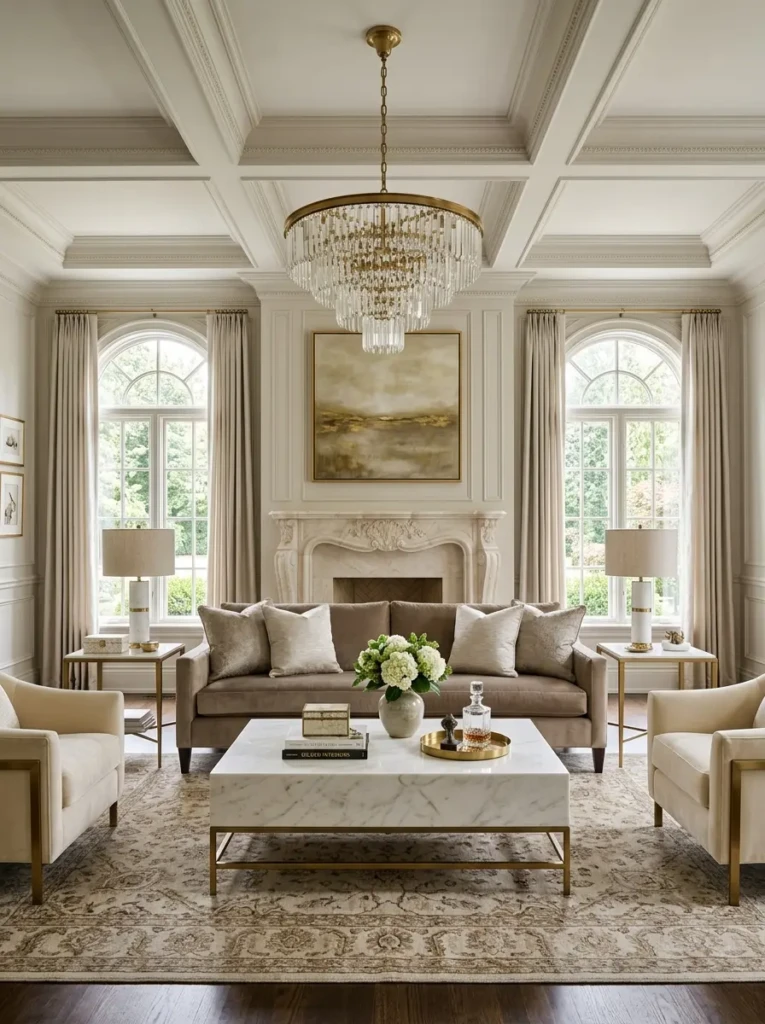
To complete your formal living room, step back and edit the room carefully. Remove anything that feels unnecessary and keep only pieces that contribute to the polished atmosphere. A successful formal design feels balanced, luxurious, and timeless. With the right layout, textures, lighting, and symmetry, you can create a space that feels graceful for years to come.