Mud Kitchen for Kids: Creative Outdoor Play That Builds Skills
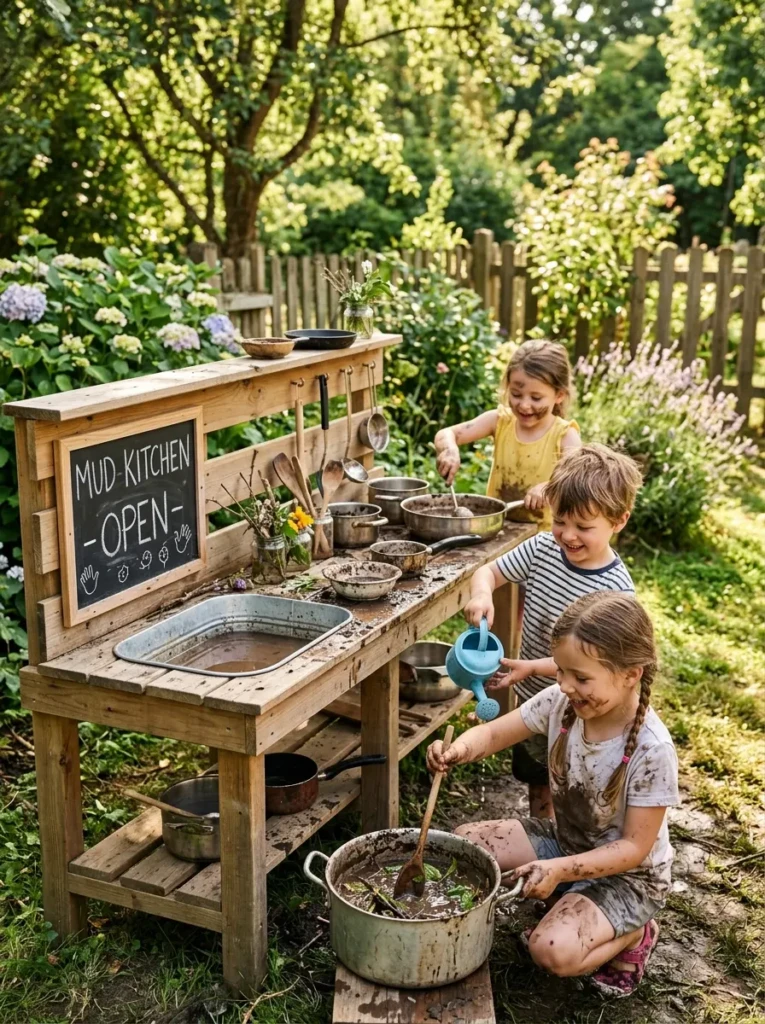
A mud kitchen for kids is a simple outdoor play setup where children can mix, stir, pour, and create using natural materials like soil, water, leaves, and stones. It mimics a real kitchen but is designed specifically for messy, imaginative play. Typically, it includes old pots, pans, utensils, and a work surface where kids can experiment freely.
This type of play environment encourages children to engage with nature while developing creativity and independence. Unlike structured toys, a mud kitchen allows open-ended exploration, which is essential for early childhood development.
Why Mud Kitchens Are So Popular
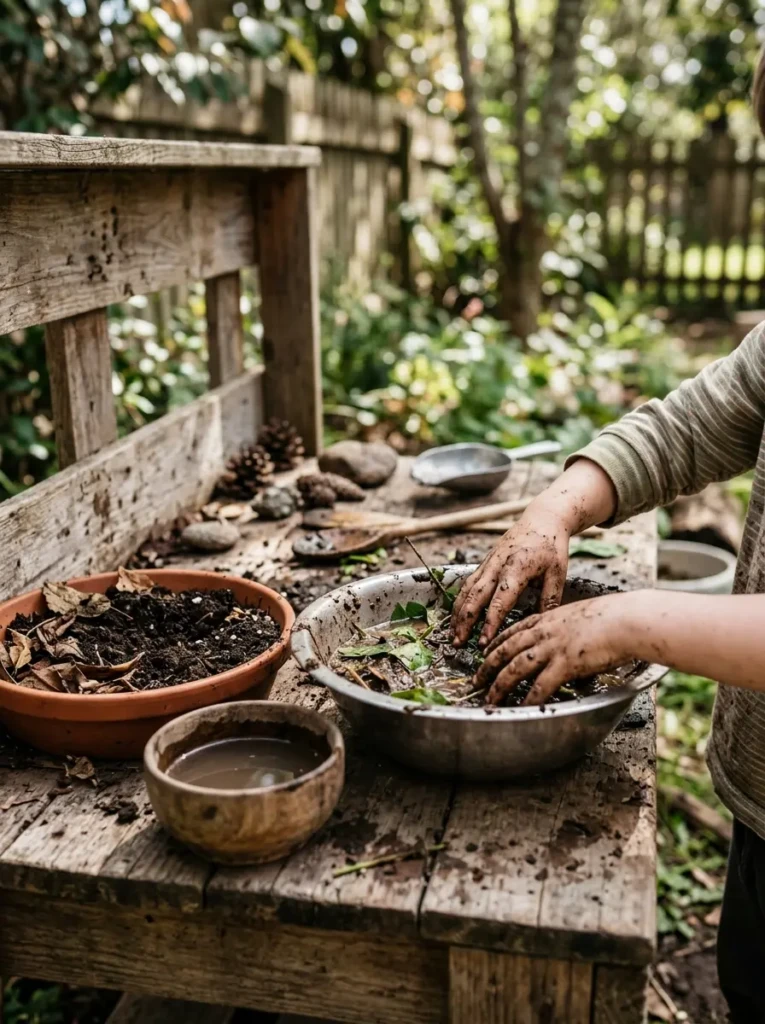
Mud kitchens have gained popularity among parents and educators because they combine outdoor play with hands-on learning. Children are naturally drawn to sensory experiences, and playing with mud provides a rich tactile activity that keeps them engaged for long periods.
Another reason for their rise in popularity is their simplicity. You don’t need expensive materials or complicated setups. Many families build mud kitchens using recycled or repurposed items, making them both budget-friendly and environmentally conscious.
Benefits of a Mud Kitchen for Kids
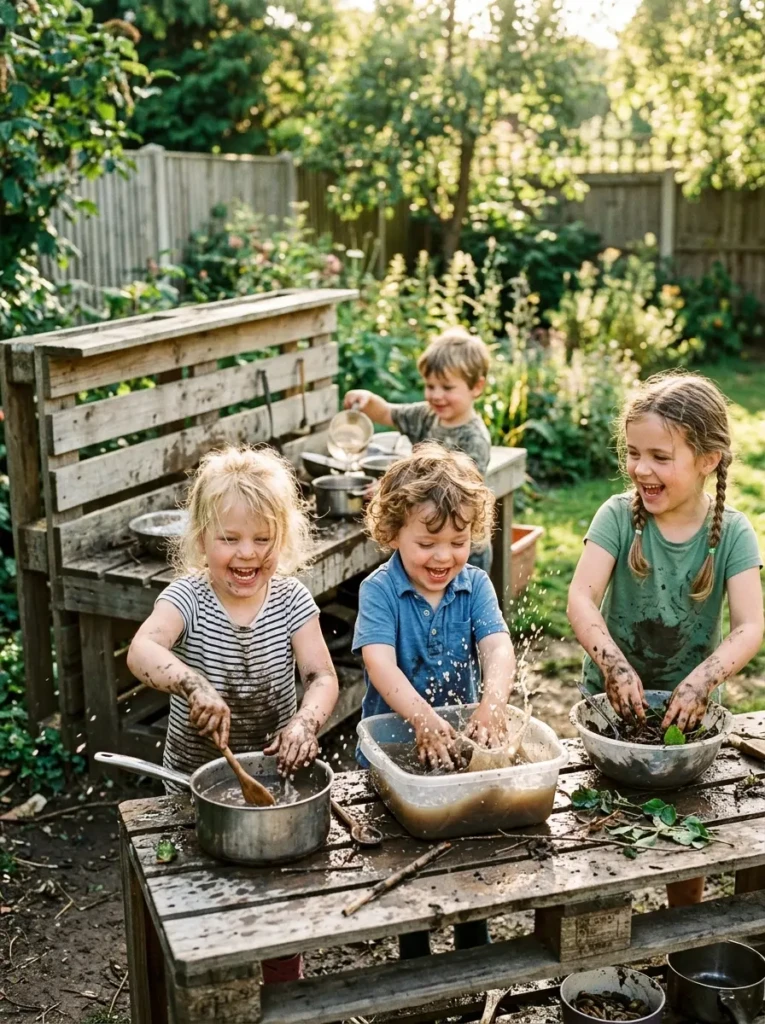
One of the biggest advantages of a mud kitchen is its ability to support sensory development. When children touch mud, water, and natural elements, they refine their sense of texture, temperature, and consistency.
In addition, mud kitchens promote imaginative play. Kids often pretend they are chefs, bakers, or scientists, creating recipes and experimenting with different combinations. This type of role-playing strengthens cognitive and social skills.
Physical development is another key benefit. Stirring, pouring, and digging all contribute to fine and gross motor skills. These actions help improve coordination and strength in a natural, enjoyable way.
Encouraging Creativity Through Mud Kitchen Ideas
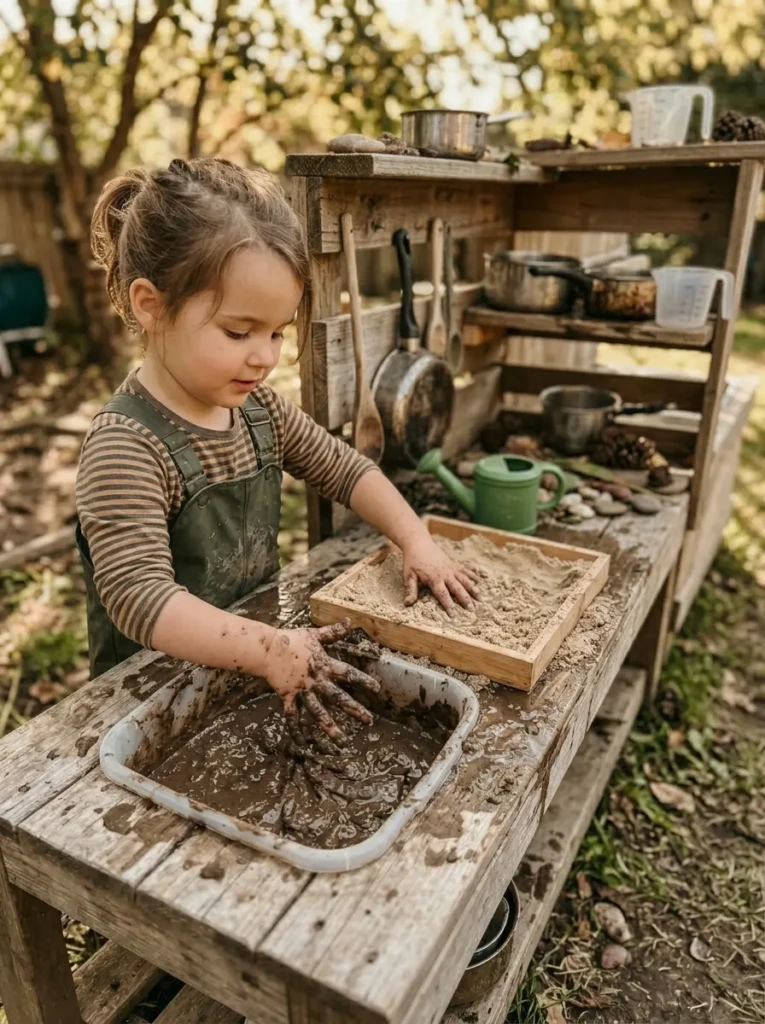
Exploring different mud kitchen ideas can make the play experience even more exciting. For example, adding shelves, hooks, or labeled containers can help organize tools and inspire new forms of play.
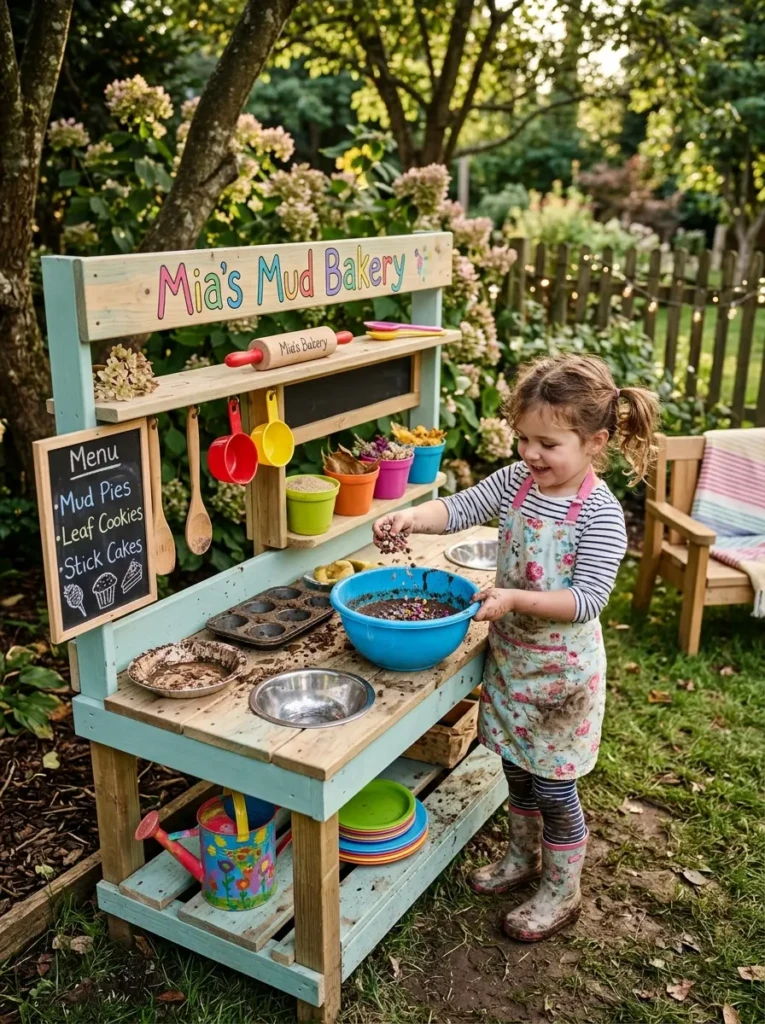
You can also introduce themes, such as a “mud bakery” or “nature soup station,” where kids create specific types of imaginary dishes. These small variations keep children engaged and encourage them to think creatively.
Rotating materials regularly is another great idea. One week, provide leaves and flowers; the next, include pebbles and sticks. This keeps the environment fresh and stimulates curiosity.
How to Set Up a Mud Kitchen at Home
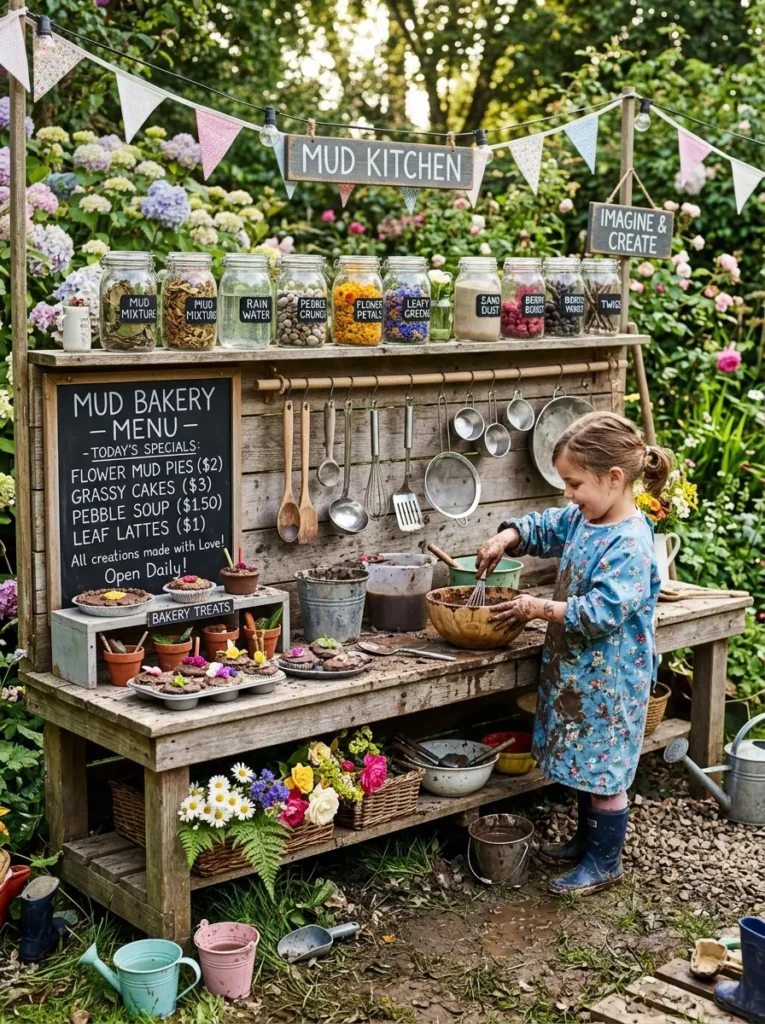
Setting up a mud kitchen doesn’t require a large backyard. Even a small outdoor corner can be transformed into a fun play area. Start by choosing a sturdy surface like an old table, wooden crate, or bench.
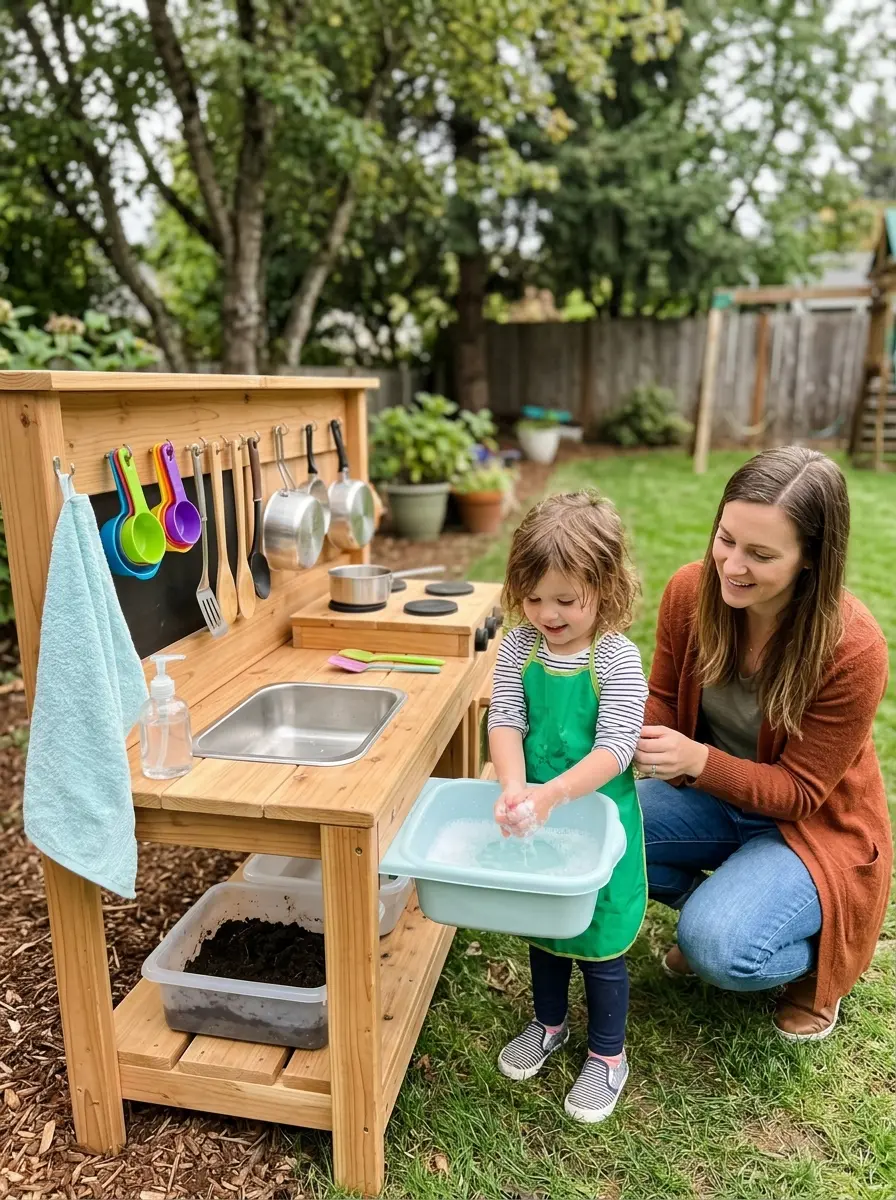
Next, gather basic tools such as bowls, spoons, pots, and containers. These don’t have to be new—second-hand or unused kitchen items work perfectly. Add a water source, such as a bucket or small tap, to make mixing easier.
Finally, ensure the area is safe and easy to clean. Placing the mud kitchen on grass or dirt is ideal, as it allows natural drainage and reduces mess.
Essential Items for a Mud Kitchen
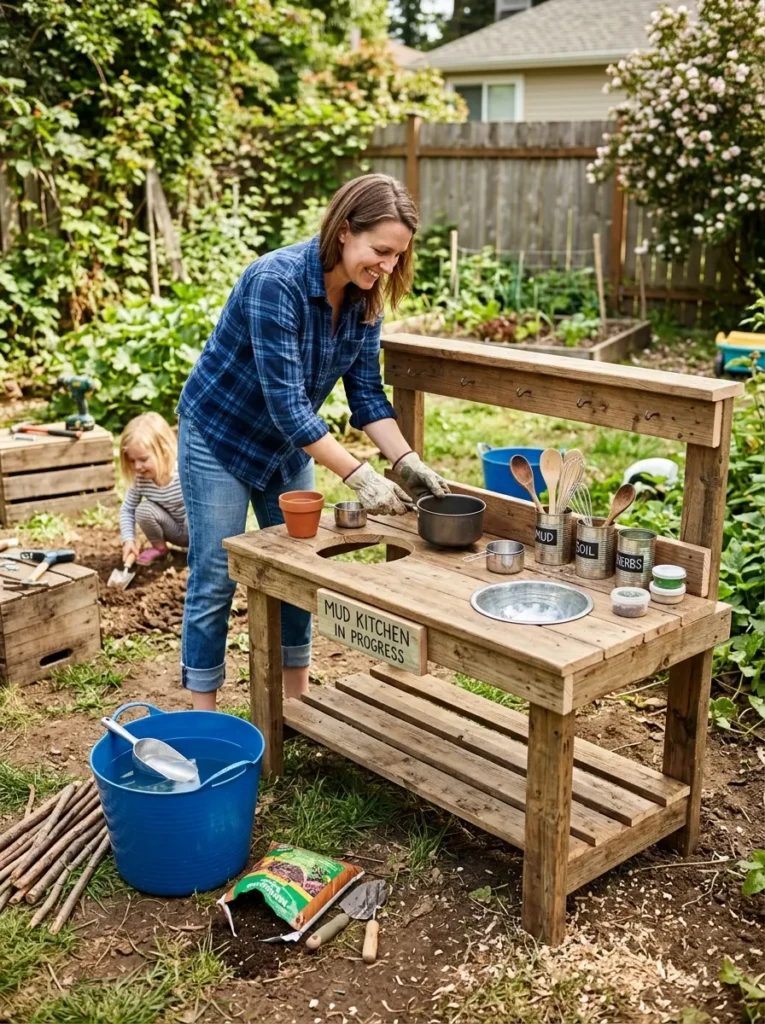
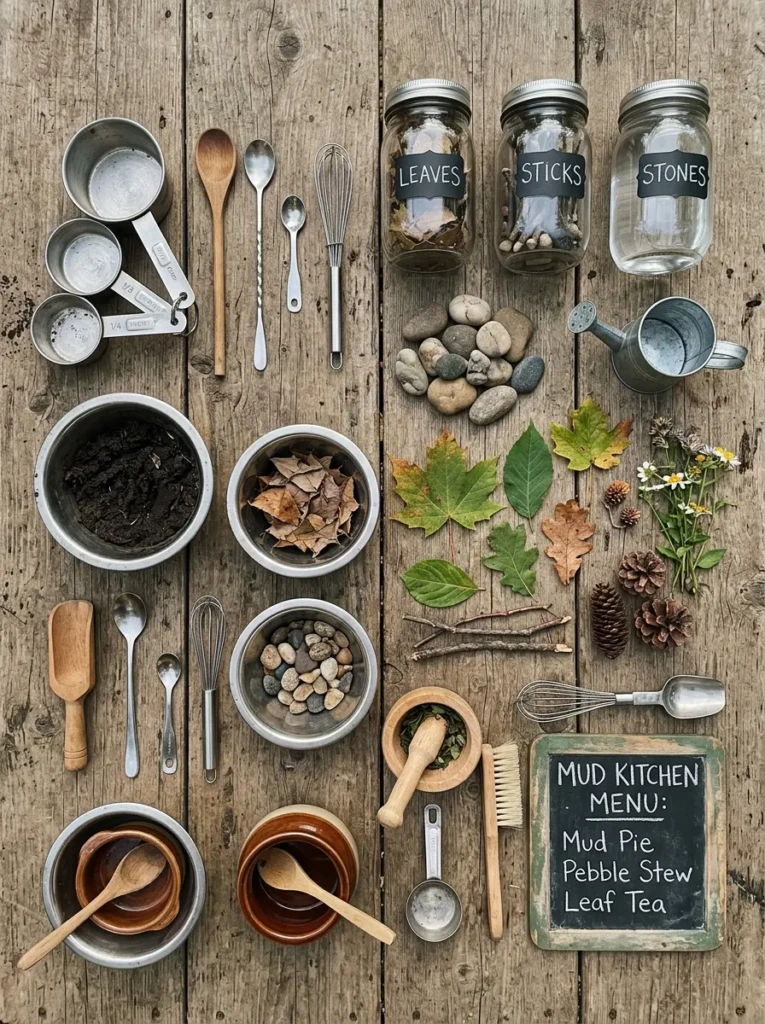
A functional mud kitchen typically includes a few essential items. These include mixing bowls, measuring cups, spoons, and containers for holding ingredients.
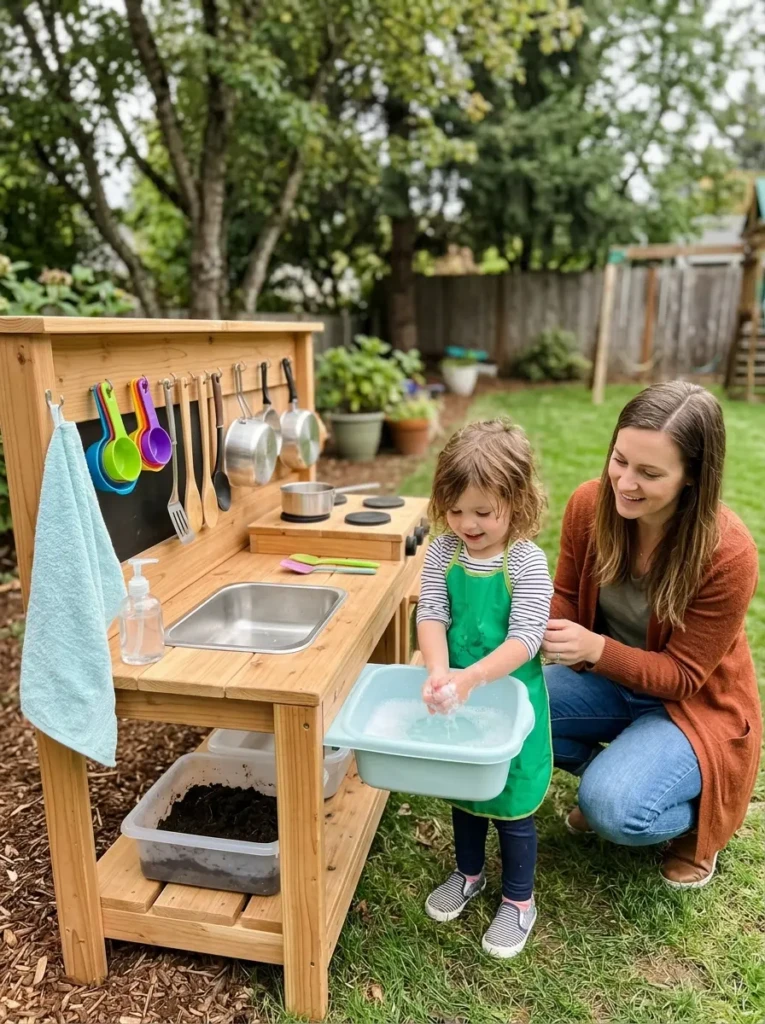
You can also add extras like a chalkboard for writing “menus,” storage baskets for organizing materials, and even a small sink if possible. These additions enhance the realism of the setup and encourage longer play sessions.
Natural materials are just as important. Leaves, sand, water, and stones serve as the “ingredients” for children’s creations and provide endless possibilities for experimentation.
Safety Tips for Mud Kitchen Play
While mud kitchens are generally safe, it’s important to establish a few guidelines. Always ensure that the materials used are non-toxic and free from sharp edges.
Supervision is recommended, especially for younger children. Teach kids basic hygiene, such as washing hands after play, to prevent the spread of germs.
It’s also a good idea to check the play area regularly for hazards like broken tools or unsafe surfaces. Keeping the space well-maintained ensures a safe and enjoyable experience.
Supporting Learning Through Play
Mud kitchens are not just about fun—they are powerful learning tools. Children learn basic scientific concepts such as cause and effect when they mix water with soil and observe the changes.
They also develop language skills by describing their creations and interacting with others. For example, a child might explain how they made a “mud cake” or ask a friend to taste their “soup.”
Math skills can also be introduced through measuring and counting ingredients. These simple activities lay the foundation for more advanced learning in the future.
Social Skills and Teamwork
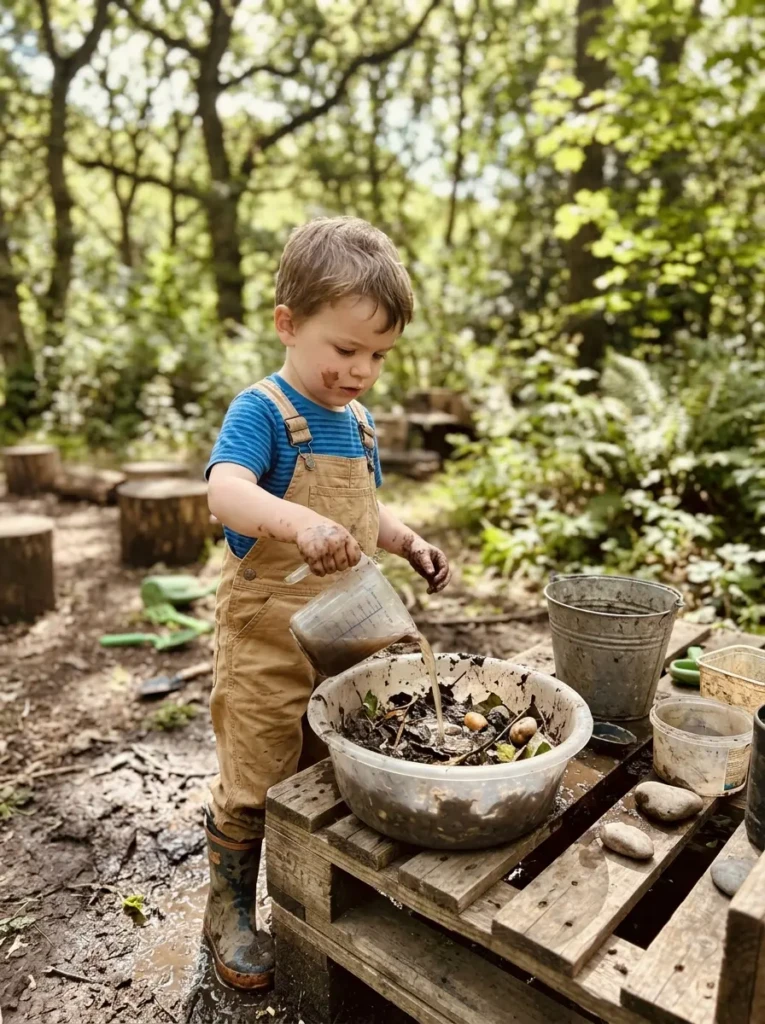
Playing in a mud kitchen often involves collaboration. Children share tools, exchange ideas, and work together to create imaginary dishes.
This type of interaction helps build communication skills and teaches children how to cooperate. They learn to take turns, solve conflicts, and express themselves clearly.
Group play also encourages empathy, as children consider others’ perspectives and work toward common goals.
Seasonal Mud Kitchen Activities
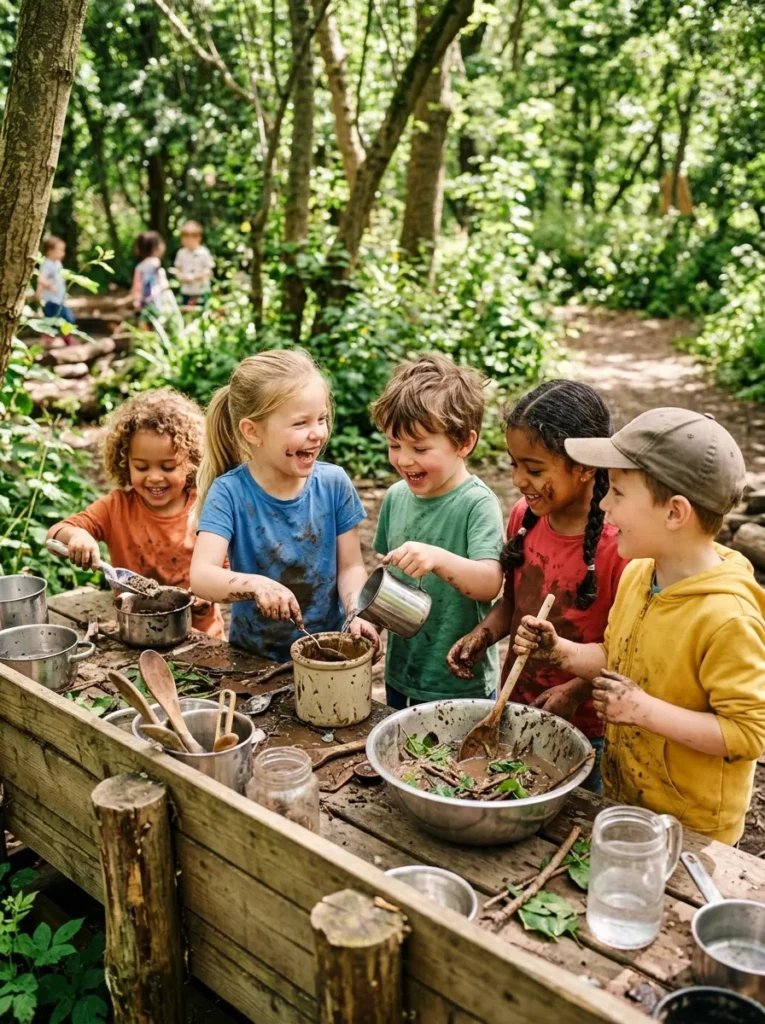
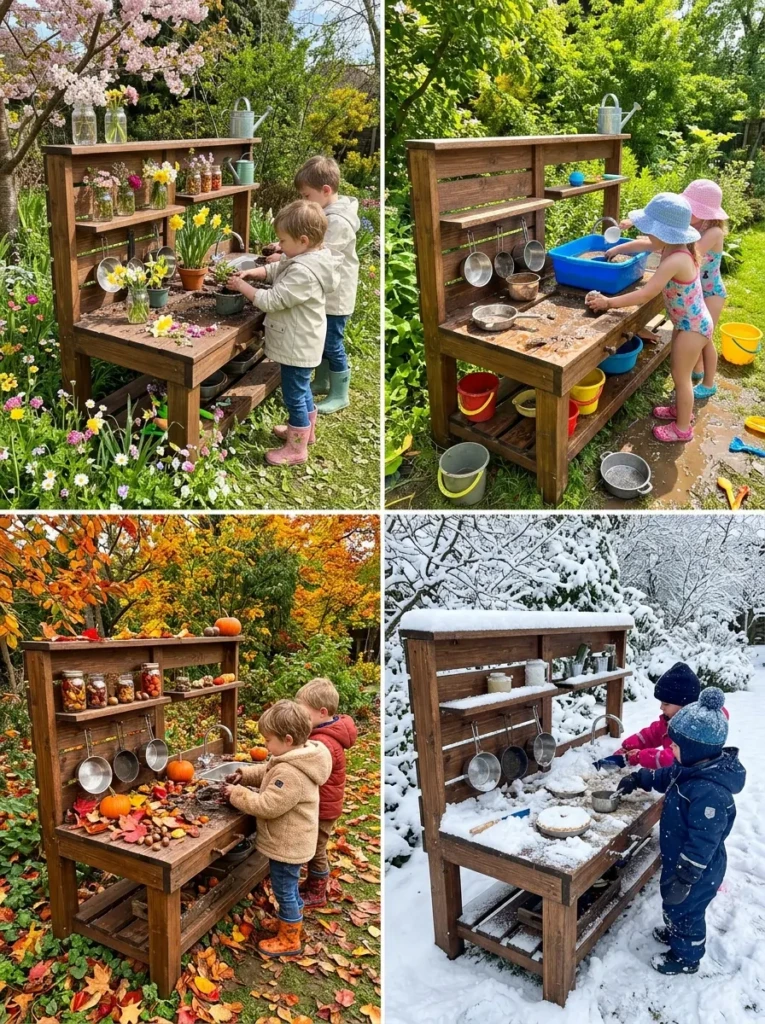
Mud kitchens can be enjoyed year-round with a few adjustments. In spring, children can use flowers and fresh leaves in their creations. Summer offers plenty of opportunities for water play and experimenting with different textures.
In autumn, fallen leaves and twigs become key ingredients, while winter can include snow and ice for a completely different sensory experience.
Adapting the mud kitchen to the seasons keeps it exciting and allows children to connect with nature throughout the year.
Budget-Friendly Mud Kitchen Ideas
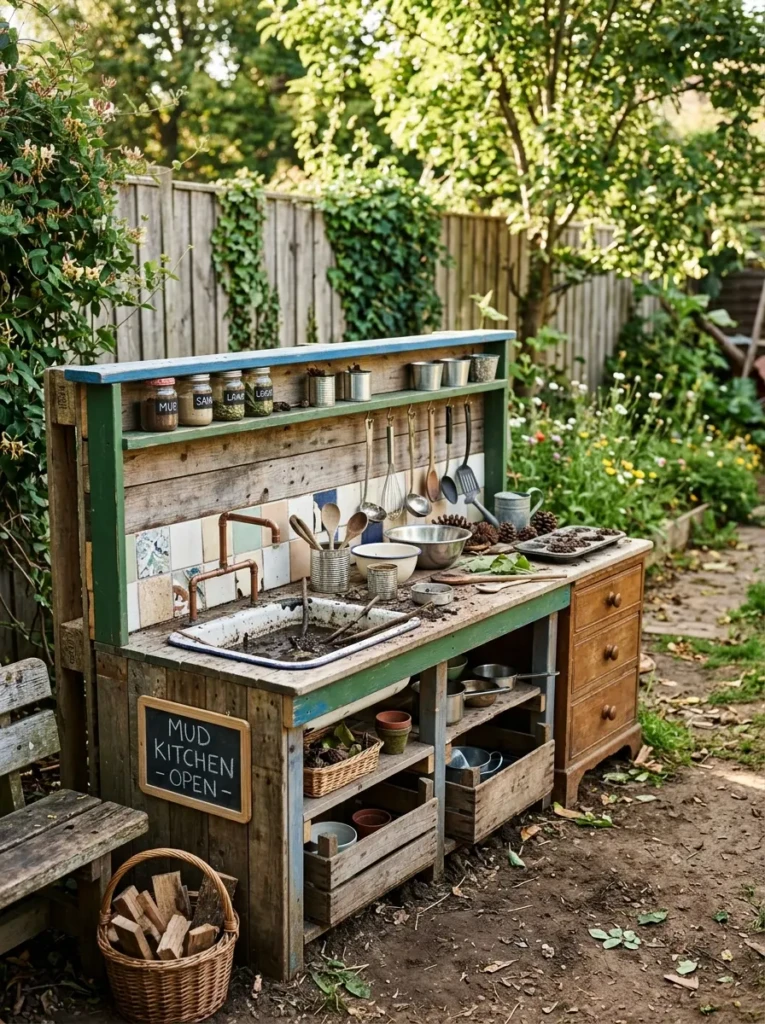
Creating a mud kitchen doesn’t have to be expensive. Many parents use old furniture, such as shelves or cabinets, to build the base. These items can often be found for free or at low cost.
Kitchen utensils can also be sourced from thrift stores or repurposed from unused household items. Even plastic containers and jars can serve as excellent tools.
The key is to focus on creativity rather than perfection. A simple setup can provide just as much enjoyment as a more elaborate one.
Customizing Your Mud Kitchen
Every child is different, so customizing the mud kitchen to suit their interests can make it even more engaging. For example, if your child loves baking, you can add cupcake molds and pretend ovens.
If they enjoy science, include measuring tools and encourage experiments with different materials. Personal touches make the space feel special and encourage more frequent use.
You can also involve your child in the setup process, allowing them to choose items and arrange the space. This increases their sense of ownership and excitement.
Maintenance and Clean-Up
Keeping a mud kitchen clean doesn’t have to be difficult. Regularly rinse tools and containers with water to remove excess dirt. Allow them to dry before storing to prevent mold or damage.
Encourage children to participate in clean-up by returning items to their designated places. This teaches responsibility and helps maintain an organized play area.
Occasionally, check for worn-out materials and replace them as needed to keep the kitchen safe and functional.
Encouraging Independent Play
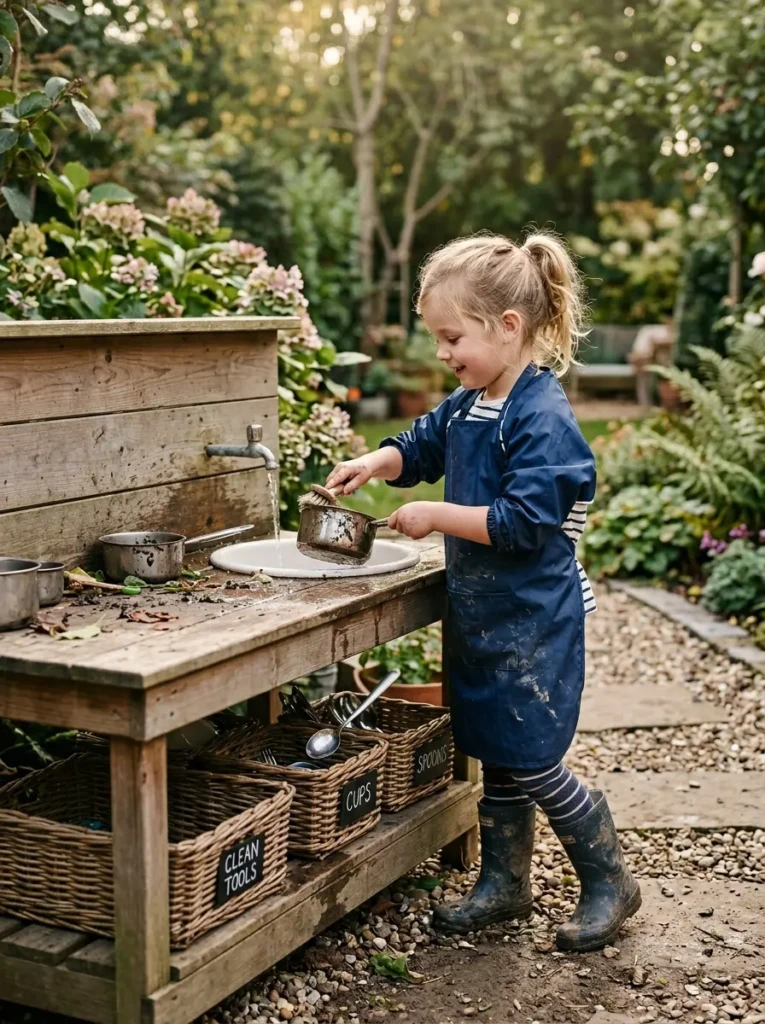
One of the greatest advantages of a mud kitchen is that it promotes independent play. Once children understand how to use the space, they can entertain themselves for hours.
This independence allows parents to step back while still knowing their children are engaged in meaningful activity. It also helps children develop problem-solving skills and confidence.
Providing minimal guidance encourages kids to explore their own ideas and discover new ways to play.
Final Thoughts on Mud Kitchens for Kids
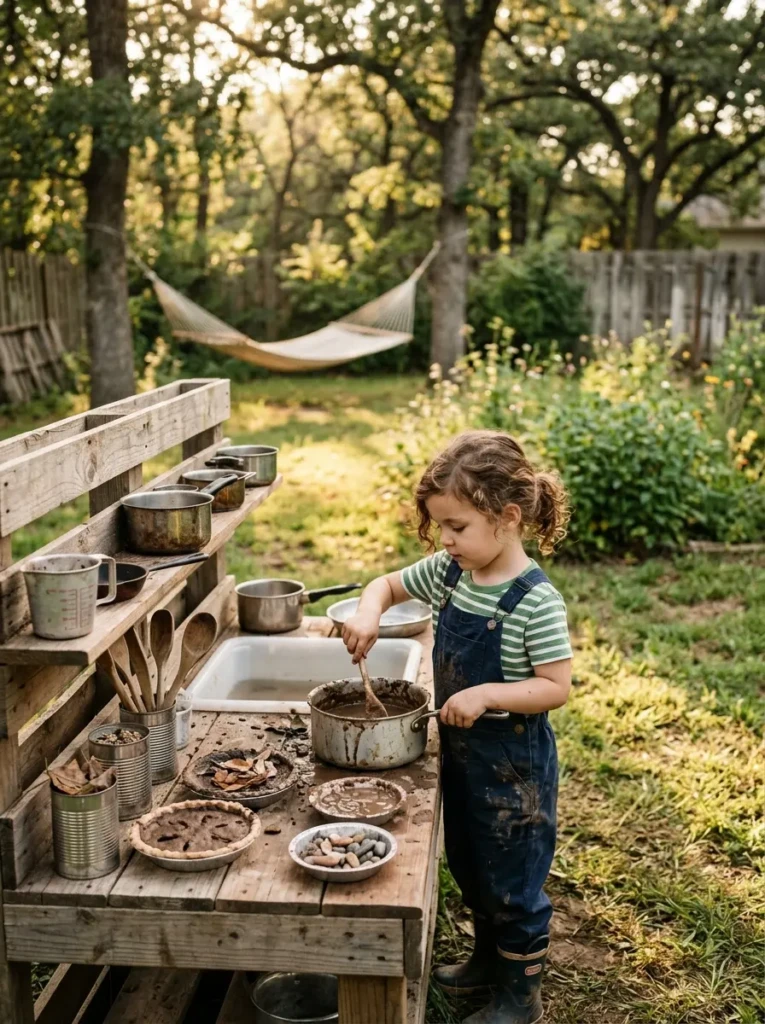
A mud kitchen for kids is more than just a play area—it’s a gateway to creativity, learning, and outdoor exploration. With simple materials and a bit of imagination, you can create a space that offers endless opportunities for growth and fun.
By incorporating thoughtful mud kitchen ideas and adapting the setup to your child’s interests, you can ensure that this outdoor feature remains a favorite for years to come. Whether it’s mixing mud pies or creating nature-inspired recipes, the possibilities are truly limitless.